Geopolitics rarely operates on ideals. It runs on timing, leverage, and hard realities. Washington just drew a sharp boundary line regarding the ongoing conflict in Eastern Europe, sending shockwaves through diplomatic channels from Kyiv to Brussels.
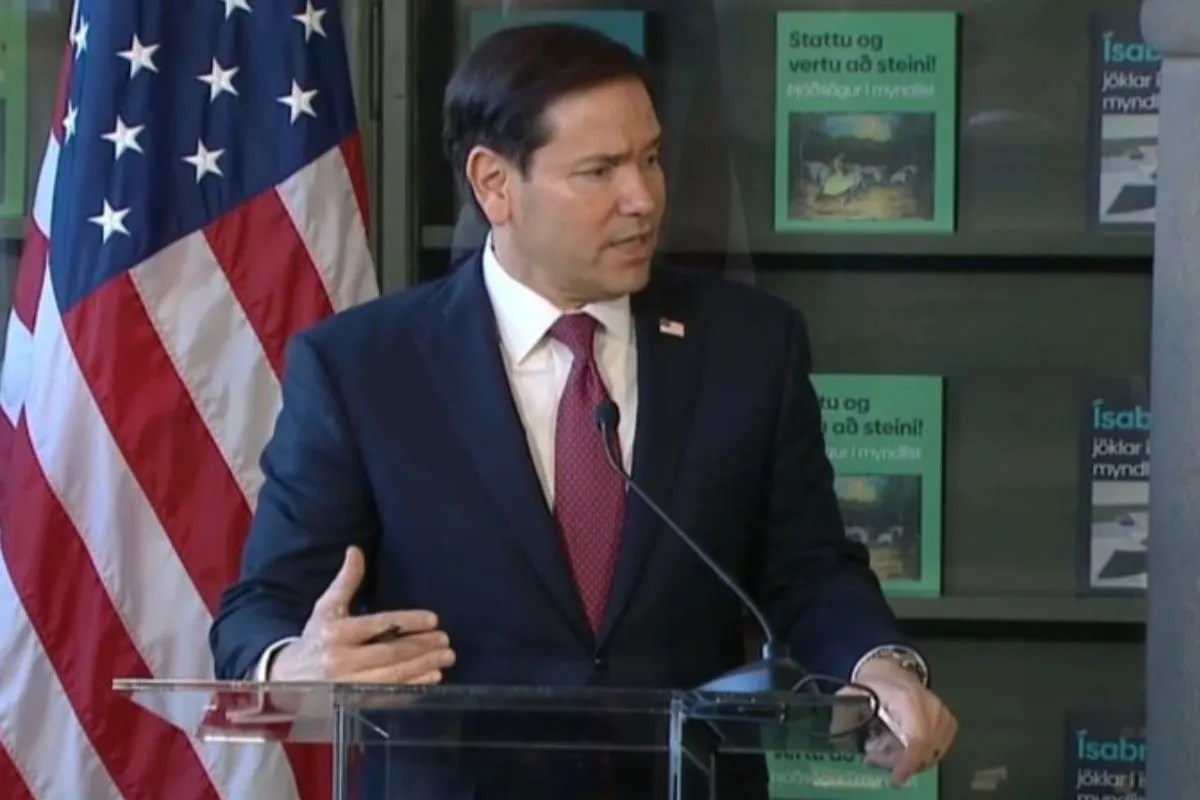
US Secretary of State Marco Rubio made a blunt declaration during a joint press briefing with Iceland's foreign minister. His message was unmistakable. Right now, Ukraine joining NATO isn't on the table. The absolute priority for the United States is stopping the bloodshed and forcing a viable peace path.
Let's look at why this shift matters so much.
The Reality Check on Alliance Expansion
Expanding any military alliance requires absolute consensus. Every single member state must agree. Right now, bringing Kyiv into the fold during an active, high-stakes war with Moscow creates an immediate article-five dilemma that Western capitals simply aren't willing to trigger.
Rubio pointed out the sheer human toll of the conflict. Thousands of lives lost, cities battered, and infrastructure reduced to rubble. When you look at the landscape objectively, adding membership debates into an active combat zone doesn't bring peace closer. It hardens positions.
Washington wants a ceasefire first. Everything else comes second.
Trilateral Talks and Diplomatic Maneuvers
While the alliance door remains closed for the near future, diplomatic backchannels are spinning faster than ever. Ukrainian President Volodymyr Zelenskyy recently shed light on a new US-backed initiative aimed at breaking the deadlock.
American negotiators are pushing for technical-level trilateral talks between Russia and Ukraine. The target window? Late October.
Kyiv has signaled a positive stance. They are willing to talk. Potential host nations floated for these high-stakes negotiations include the United Arab Emirates or alternative neutral venues. The real question isn't whether Ukraine will show up to the table. It is how Moscow intends to respond to these proposals.
Global Mediation Efforts Pick Up Speed
Washington isn't the only player trying to engineer an exit strategy. International diplomatic pressure is coming from multiple directions.
Kyiv is actively evaluating mediation proposals coming from several major international partners. Turkey, Egypt, and the United States have all floated distinct settlement frameworks. Meanwhile, India’s diplomatic outreach is drawing serious attention. Ukrainian Foreign Minister Andrii Sybiha acknowledged that Kyiv is seriously reviewing India's peace proposals.
Even Moscow has acknowledged these efforts. Russian President Vladimir Putin recently praised Indian Prime Minister Narendra Modi's balanced approach and genuine ideas for finding a lasting, peaceful solution.
The Ground Reality Doesn't Pause for Diplomacy
While diplomats trade proposals in neutral capitals, the war on the ground remains brutal. Critical civilian infrastructure across Ukraine continues to absorb heavy drone and missile strikes. Energy grids, supply lines, and residential areas face recurring assaults.
Recent incidents underscore just how fragile the regional security environment has become, with reports of maritime and border incidents drawing concern from neighboring states.
The strategy coming out of Washington is clear. You can't negotiate a sustainable security architecture while bombs are falling on power plants. Stopping the war is the prerequisite. NATO can wait. Survival cannot.