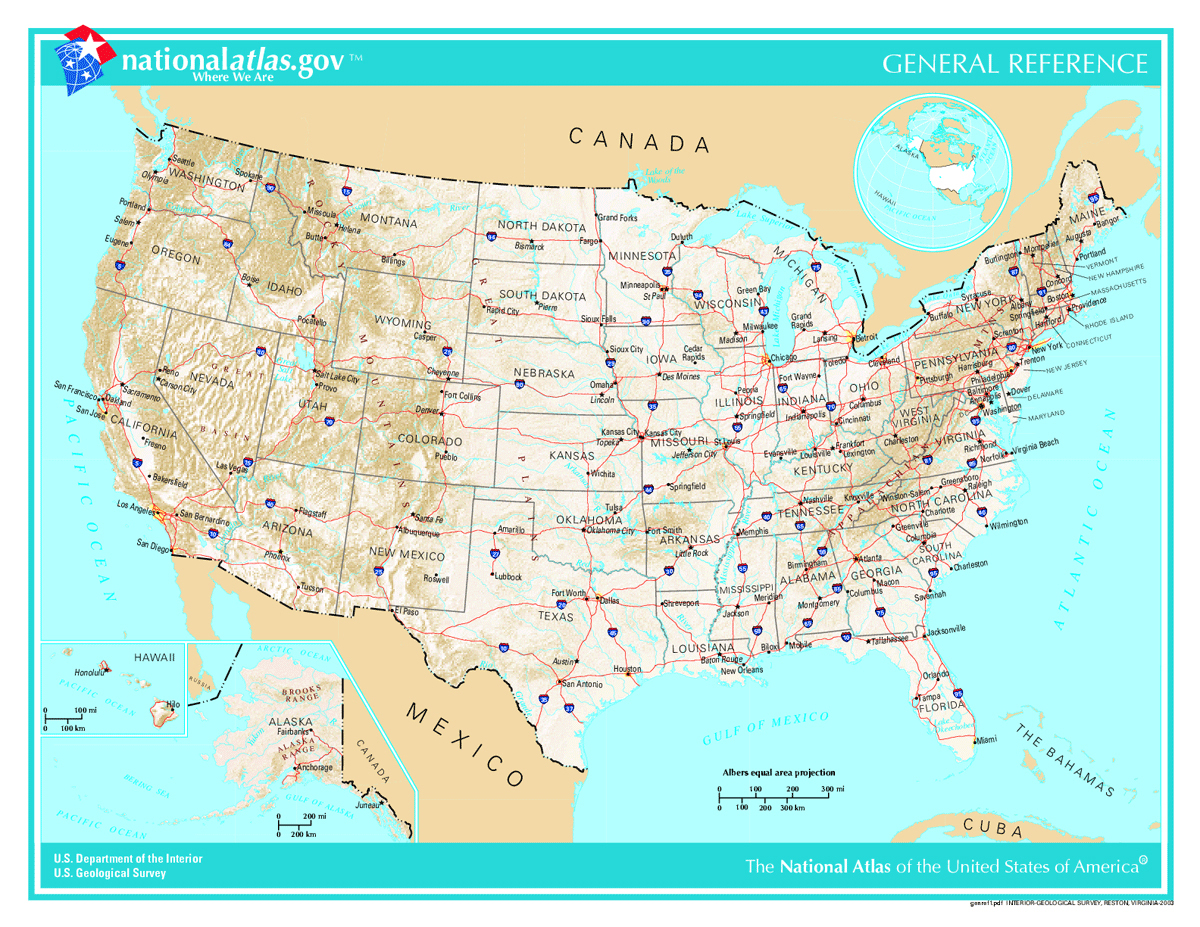
For the second consecutive year, the United States has denied a visa to Palestinian Authority President Mahmoud Abbas and roughly eighty other Palestinian officials. They are barred from entering New York to attend the United Nations General Assembly. Washington is utilizing its position as the host country to block foreign leadership it deems hostile to its strategic alignment, sparking intense debate over international law and the integrity of the UN Headquarters Agreement.
The State Department defended the move by pointing to ongoing efforts by the Palestinian leadership to bypass direct peace negotiations. Washington claims the Palestine Liberation Organization and the Palestinian Authority have failed to meet compliance requirements under United States law, specifically citing actions taken at the International Criminal Court and the International Court of Justice. Furthermore, American officials highlighted continued financial stipends and public rhetoric that Washington argues glorify violence. For a deeper dive into similar topics, we suggest: this related article.
The decision has wide ramifications. Palestine holds non-member observer state status at the United Nations, a designation that normally permits leadership to address the General Assembly and take part in critical diplomatic debates. By locking out Abbas and his core delegation, the United States is once again forcing the international body to consider remote-participation mechanisms, much like the pre-recorded video address utilized last year.
Palestinian representatives have sharply criticized the visa denial, labeling it an unlawful measure that directly violates the UN Headquarters Agreement. That foundational treaty dictates that the host nation shall not impede the transit of foreign officials traveling to UN headquarters, irrespective of bilateral political differences. Yet, successive American administrations have repeatedly exercised visa controls to pressure foreign entities, drawing accusations from diplomats worldwide that Washington uses host-nation privileges as a political weapon. To get more details on this issue, extensive analysis can also be found at NPR.
Israel's government welcomed the restriction. Prime Minister Benjamin Netanyahu's administration has continuously rejected unilateral recognition of a Palestinian state, arguing that international forums reward terrorism rather than foster genuine reconciliation. At the same time, a growing number of global powers continue to push for formal recognition of Palestinian statehood, setting up a sharp diplomatic clash in New York as world leaders gather for the high-level session.
The broader conflict highlights a deep fracture in global diplomacy. While the United Nations attempts to preserve an open platform for all observer states and member nations, domestic American legislation gives Washington the unilateral power to shut the door. As the General Assembly debates remote alternatives for Palestinian leadership, the core question remains whether international agreements can withstand the geopolitical maneuvering of a host superpower.
Check the official UN General Assembly schedule and voting records on remote-participation resolutions to monitor how international bodies adapt to host-country visa denials. Review the text of the UN Headquarters Agreement to understand the legal boundaries governing diplomatic access in New York.