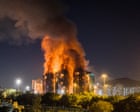
A public apology from the top office doesn't bring back the 168 people who lost their lives at Wang Fuk Court, but it forces a reckoning that Hong Kong's real estate sector can no longer dodge. When the official inquiry report landed, it didn't just point fingers at reckless contractors or a rogue cigarette butt. It laid bare institutional blind spots that turned a residential estate in Tai Po into a fatal trap.
For anyone tracking urban safety and governance in densely populated metropolitan areas, the fallout from this disaster goes far beyond local politics. It exposes how lax oversight, corrupt maintenance practices, and ignored warning signs collide with devastating speed.
The Anatomy of a High Rise Catastrophe
The numbers alone shock the conscience. The fire at the Wang Fuk Court residential complex stands as the deadliest residential building blaze globally since 1980. Over 4,600 residents called the complex home, and a staggering 1,700 of them were aged 65 or older. When the flames tore through the blocks on that day in late November 2025, elderly residents bore the brunt of the tragedy. Roughly 70 percent of those who died—114 individuals—were elderly.
Investigators traced the ignition point to a discarded cigarette butt that caught safety netting on the lower floors of Wang Cheong House. But a stray cigarette doesn't kill 168 people on its own. The real culprit was the amplification system of the building itself.
Investigators found that renovation work gone wrong played a central role. Flammable expanded polystyrene foam boards sealed windows, and non-flame-retardant materials were allegedly used by construction companies trying to shave costs. Safety netting, scaffolding, and sealed corridors created an airtight chimney effect. Fire raced up the exterior and penetrated living spaces within minutes.
Accountability Hits the Top Tier
Following the release of the inquiry findings, Chief Executive John Lee issued a direct apology to the affected residents and the wider public. Housing Minister Winnie Ho tendered her resignation, with Lee stating that political responsibility had to be borne by the leadership of the bureau.
Four separate government bodies shared the blame for inadequate oversight, with the Housing Bureau's Independent Checking Unit singled out for carrying a heavier share of responsibility. Public frustration had simmered for months as survivors demanded answers about why red flags were ignored.
Authorities haven't stopped at political resignations. Prosecutors moved aggressively, filing manslaughter charges against seven individuals and two companies. At least 35 arrests have been made as investigators dig into corruption and negligence tied to the building maintenance contracts.
Fixing the Roots of Bid Rigging
You cannot talk about building safety in Hong Kong without addressing the murky underworld of property maintenance. Bid rigging remains an open secret across many older housing estates, where corrupt syndicates manipulate tender processes to squeeze profits at the expense of safety standards.
The government's proposed reforms finally target this core issue by pushing to criminalize bid-rigging outright. Lawmakers want to overhaul the entire complaint system so that residents dealing with shady property management companies have a real avenue of recourse before disaster strikes.
Administrative accountability checks have been promised within a strict three-month window. Yet, skeptical residents and housing advocates argue that punitive measures alone won't fix structural complacency.
Lessons for High Density Cities Everywhere
Cities built vertically face unique vulnerabilities. When maintenance budgets are cut, cheap materials substituted, and safety nets turned into accelerants, a high-rise transforms into a vertical hazard.
If you live in or manage a multi-story residential building, you need to audit your maintenance protocols right now. Look past the glossy proposals from contractors. Verify that exterior netting, cladding, and insulation materials meet strict fire-retardant standards. Never ignore blocked fire escapes, sealed corridor windows, or slipshod renovation shortcuts.
The tragedy at Wang Fuk Court demands permanent vigilance. Check your building's safety compliance records today, demand transparency from your property management committees, and refuse to let cost-cutting compromise lives.


