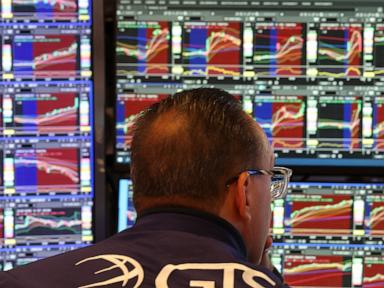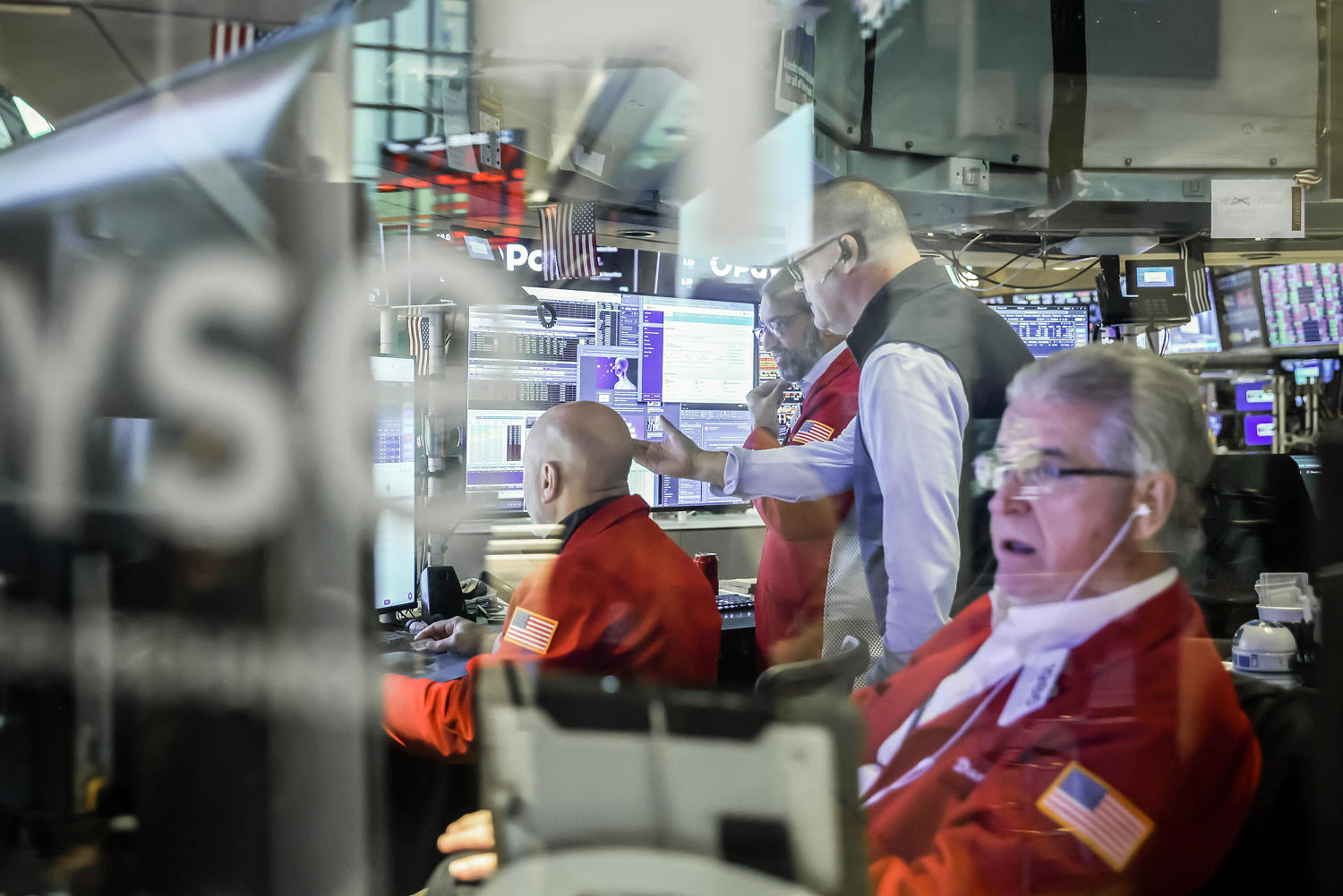
Stock futures slid overnight as traders processed a political shift that caught major financial institutions completely off guard. Markets hate surprises, and they hate regulatory uncertainty even more. When early election returns pointed to a commanding democratic sweep—dubbed a "blue tsunami"—investors immediately began recalculating risk across the entire technology sector.
For months, the artificial intelligence boom has acted as the primary engine for the S&P 500 and Nasdaq. Now, Wall Street is forced to confront how a shifting political landscape could alter data center expansion, energy policies, and corporate taxation. If you're holding tech shares or tracking the broader market, you need to understand what this shift actually means beyond the flashing red numbers on your screen. Recently making waves in this space: Why Wall Street Celebrated When Democrats Won Congress.
Why the Blue Tsunami Rattled the AI Trade
The core thesis driving the artificial intelligence rally has relied heavily on unfettered corporate spending, massive data center builds, and light regulatory oversight. Major players like Microsoft, Amazon, and Nvidia have poured hundreds of billions into infrastructure without facing heavy government friction.
A decisive democratic majority changes that calculation overnight. Analysts at firms like JPMorgan Chase immediately flagged the risk of stricter regulatory scrutiny targeting big tech. When markets price in potential antitrust crackdowns, stricter environmental rules for power-hungry data centers, and higher corporate tax burdens, valuations take an immediate hit. Further information on this are detailed by The Wall Street Journal.
The reaction wasn't limited to domestic indices. Asian semiconductor manufacturers and global hardware suppliers also dropped sharply as the news crossed trading desks. Investors who spent the year chasing unstoppable momentum suddenly remembered that political risk remains a very real variable.
The Underlying Vulnerability of Modern Market Concentration
Let's be honest about market structure. Wall Street's anxiety isn't just about election night headlines. The broader tech trade has looked top-heavy for a long time. Nvidia, Apple, and Microsoft make up roughly 21 percent of the entire S&P 500 market capitalization.
When a market depends so heavily on a handful of mega-cap stocks, any macro shock triggers a cascading sell-off. We saw a preview of this vulnerability earlier when broader software and tech names dipped on growing anxiety over AI disruption and financing models.
Think about how these infrastructure bets are funded. Much of the capital powering the current expansion relies on aggressive corporate borrowing and intertwined financing arrangements where suppliers help fund purchases. When political winds shift or credit conditions tighten, the margin for error shrinks dramatically.
Separating Short-Term Panic from Long-Term Reality
Every time futures tumble, panic selling follows. But seasoned market participants know that knee-jerk reactions often create disconnects between stock prices and business fundamentals.
Consider the valuation debate. While some cyclically adjusted metrics sit near historic highs reminiscent of past market peaks, forward price-to-earnings ratios for major tech giants remain well below the extreme multiples seen during the 2000 dot-com bubble. Companies like AMD continue to post strong data center revenue growth, proving that actual enterprise demand for computing power isn't vanishing overnight.
The real threat of a political shift isn't an instant halt to innovation. It is the gradual compression of profit margins through increased compliance costs, labor rules, and targeted tax policies.
What You Should Do Right Now
Stop making decisions based on daily headline volatility. If your portfolio is overly concentrated in a few high-flying AI darlings, use pullbacks to evaluate your actual risk tolerance rather than panic-selling at the bottom. Diversify across sectors that benefit from infrastructure spending independent of pure software hype, and keep cash ready for genuine mispricings rather than political noise.
Wall Street Gets AI Wake-Up Call with Deep Tech Selloff
This video provides an immediate breakdown of how deep tech sell-offs and shifting market sentiment impact high-growth stock valuations.