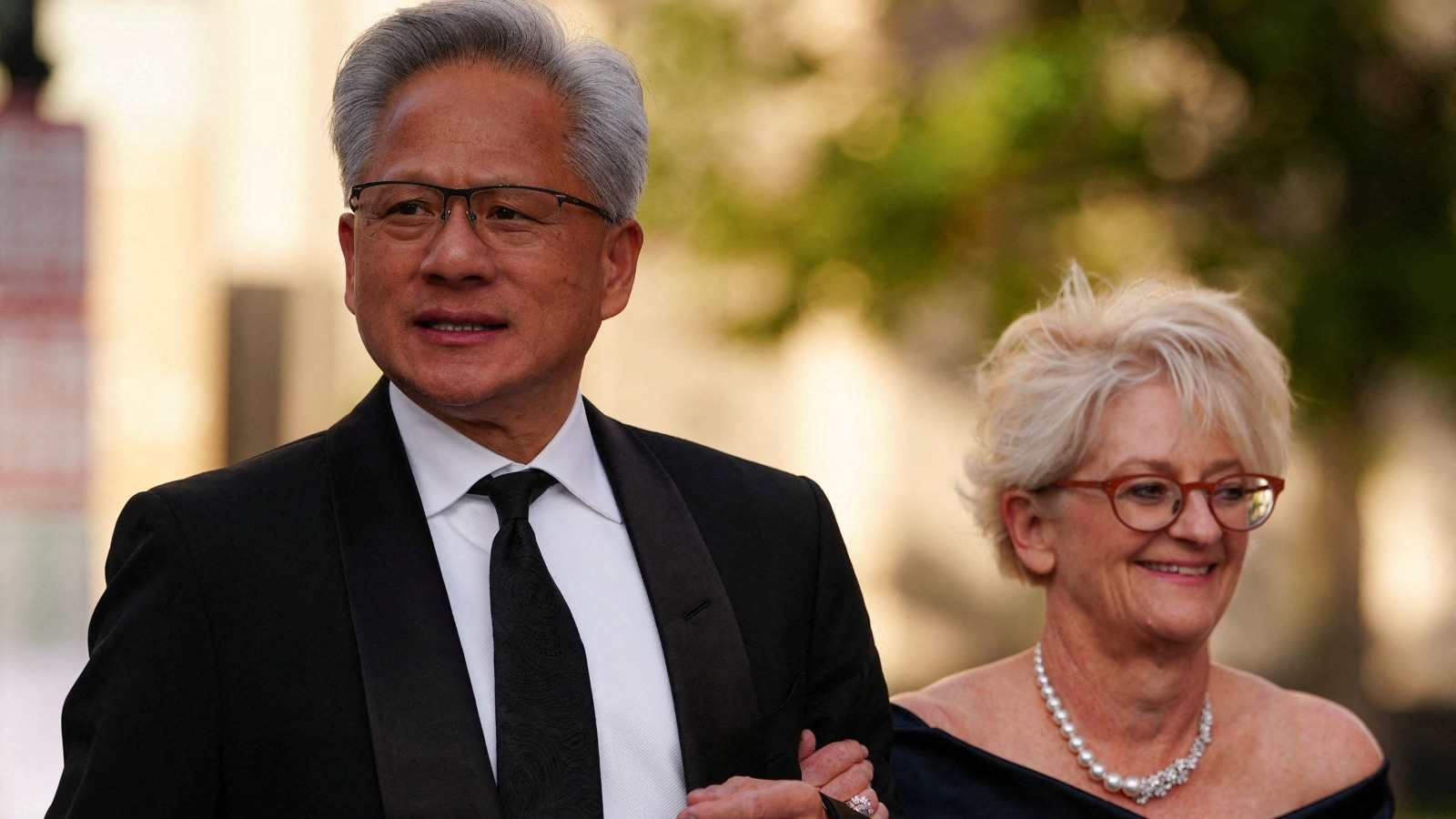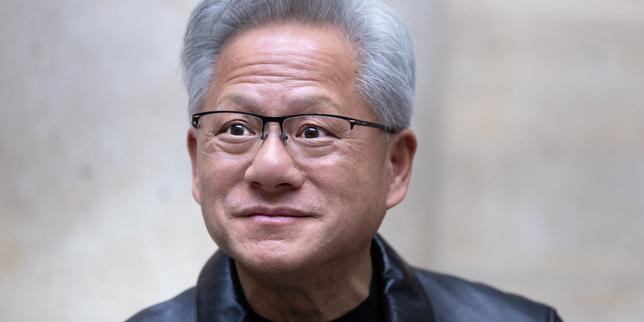
Tech titans rarely fall because of bad code or broken supply chains. They fall because human vulnerability collides with cold geopolitical strategy. Jensen Huang, the face of the artificial intelligence boom and the chief executive officer of Nvidia, just found himself dragged into a massive international security storm.
The crisis kicked off when reports revealed that Huang engaged in an extramarital affair with Alice Huang (also known as Huang Le, with no relation to the CEO), a woman identified by intelligence circles as a potential intelligence operative for Beijing. While Nvidia's board launched an independent investigation and Beijing vehemently denied any orchestration of a honeytrap, the damage goes way beyond boardroom gossip. It touches the raw nerve of American technological supremacy and national security. For another perspective, see: this related article.
The Anatomy of a High-Stakes Tech Scandal
You cannot talk about modern artificial intelligence without talking about Nvidia. Their high-end semiconductors are the oil of the twenty-first century, powering everything from local language models to massive defense supercomputers. Because the United States government placed strict export controls on shipping elite hardware to China, Nvidia sits right at the geopolitical crossfire.
When investigative pieces from outlets like The New York Times exposed the relationship between Jensen Huang and Alice Huang, the implications were immediate. Intelligence agencies wondered if sensitive corporate strategy, export workarounds, or roadmap details leaked across pillow talk. Huang publicly admitted to the affair, stating that his actions hurt his family and that he was deeply sorry. He acknowledged that his responsibility was to be worthy of trust and that he fell short. Related insight on this matter has been published by Forbes.
Yet, the corporate reaction surprised many market watchers. Instead of forcing an immediate resignation, Nvidia's board of directors initiated an independent review while explicitly maintaining confidence in their long-time leader. Donald Trump also weighed in publicly, calling Huang an honorable man and suggesting that business leaders face unique pressures. Still, Capitol Hill is far less forgiving. Key congressional lawmakers are demanding full transparency to ensure that American technological sovereignty wasn't compromised during the ordeal.
Why Beijing's Denial Falls on Skeptical Ears
Peking's official response was swift and predictable. Chinese officials completely rejected the accusations, labeling the narrative of an orchestrated trap as fabrication. From Beijing's perspective, Western media and intelligence agencies frequently weaponize allegations of espionage to clamp down on technological exchanges and justify aggressive trade policies.
However, counterintelligence experts point out that targeting CEOs of critical infrastructure and hardware monopolies is standard operating procedure for major state intelligence actors. You don't need to break into a corporate server if you can get close to the person holding the master keys. Even if specific technical leaks remain unproven or classified, the proximity alone creates a massive compliance and security liability.
What This Means for the Future of Nvidia
Tech leadership is changing. Founders used to be judged solely on quarterly earnings, gross margins, and hardware delivery dates. Today, CEOs of companies like Nvidia, Microsoft, and OpenAI carry geopolitical weight that rivals heads of state. They negotiate trade pacts, manage national security bottlenecks, and navigate a brutal Cold War over silicon.
For investors, the immediate question is whether this distraction will derail Nvidia's product pipeline or invite tighter regulatory handcuffs. The company insists that core operations continue without interruption and maintains that no critical national security data was compromised. But markets hate uncertainty. Every time a corporate icon stumbles into a personal scandal, the risk profile of the entire enterprise shifts overnight.
Personal accountability in the corner office is no longer just a private matter. When you control the hardware powering the global intelligence and AI revolution, your personal life becomes public infrastructure. Jensen Huang built an empire on accelerated computing, but surviving this fallout will require a completely different kind of crisis management.