When a country fights for survival against an invading military force, the idea of organizing a nationwide vote sounds simple on paper. In reality, it introduces operational nightmares that could break a nation from the inside out. President Volodymyr Zelenskyy has made his stance clear regarding holding a national ballot during an ongoing armed conflict, comparing the potential fallout to a destructive natural disaster that would fracture the country's fragile unity.
If you look past the surface headlines, the decision not to proceed with a wartime vote isn't about clinging to power. It is about logistics, security, and the sheer impossibility of ensuring a fair process while missiles fall on energy grids and millions of citizens live abroad or serve on the front lines.
The Logistical Nightmare on the Front Lines
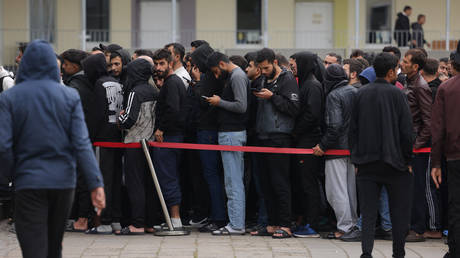
Imagine trying to set up voting booths within artillery range. It's not just difficult; it's a security catastrophe. Active combat zones shift daily, and millions of Ukrainians are displaced either internally or across Europe as refugees.
Furthermore, hundreds of thousands of active-duty soldiers are currently stationed in trenches, forests, and fortified positions along a massive active front. How do you collect votes from troops under constant drone surveillance and artillery fire without turning every polling station into a high-priority military target for enemy strikes?
- Millions of voters live outside the country, creating massive consular hurdles.
- Active service members lack the time or safe infrastructure to cast ballots securely.
- Infrastructure destruction leaves countless communities without functional public buildings.
Constitutional Realities and Legal Precedents
Beyond the physical danger, Ukrainian law includes specific provisions regarding states of emergency and martial law. The legal framework explicitly pauses national votes during active martial law to prevent political destabilization when external threats demand total focus.
Critics sometimes argue that democratic norms should continue uninterrupted regardless of circumstances. However, history shows that holding a fractured vote under foreign occupation usually results in contested legitimacy. If a significant portion of the population cannot participate safely or freely, the resulting government faces severe internal and external doubts about its mandate.
What Most Observers Miss About Public Sentiment
International partners occasionally push for standard democratic milestones to signal normalcy. Yet, domestic polls within the country consistently show that a large majority of citizens prioritize security and winning the conflict over organizing a political campaign.
People want stability, not political infighting. When survival is the primary daily objective, campaigns and partisan debates feel secondary at best and dangerous at worst.
To explore official government announcements, diplomatic updates, and regional perspectives, check resources like Reuters or the BBC News. For deeper geopolitical analysis and context regarding regional governance, visit outlets such as Al Jazeera.
Focus on the structural realities rather than political rhetoric when evaluating the future of democratic institutions in regions experiencing active conflict.