Imagine spending five hundred days trapped in a dark basement, cut off from everyone you love, forced to stare at a wall while your captor sleeps with a knife under his pillow. That wasn't a dark fiction plot. It was the brutal reality for fifteen-year-old Kylie Arellano, who vanished from Utah and ended up hundreds of miles away in an Oregon home.
The story of how she walked back into the light sounds like an action movie script, but it happened because of an unlikely ally, a popular multiplayer video game, and a quick-thinking internet stranger.
The Disappearance and the Trap
Back in May 2025, Kylie connected online with a thirty-nine-year-old man named Adam Hunter Harmel. He dangled an offer of travel and a fresh start, driving out to Perry, Utah to pick her up on May 29. The moment she stepped into his car, the nightmare began.
Harmel drove her to Logan Canyon, smashed and tossed her mobile phone into a river, and hauled her across state lines to his house in Huntington, Oregon.
Basement isolation followed immediately. Harmel kept her locked away, subjected her to physical abuse, and stripped away any normal human contact. To ensure she couldn't escape or sneak glances at her surroundings, he forced her to sleep facing a blank wall with his weapon resting right beneath his pillow.
When Gaming Becomes a Lifeline
Months dragged on into a grueling year and a half. Friends and family grew desperate, while investigators searched in the dark. For a long stretch, it felt like the world had simply forgotten about her.
Then, Harmel handed her a restricted phone. It had no mobile cellular data plan, meaning it could only connect to local Wi-Fi networks. It was meant to keep her isolated, but it became the exact crack in the armor her captor never saw coming.
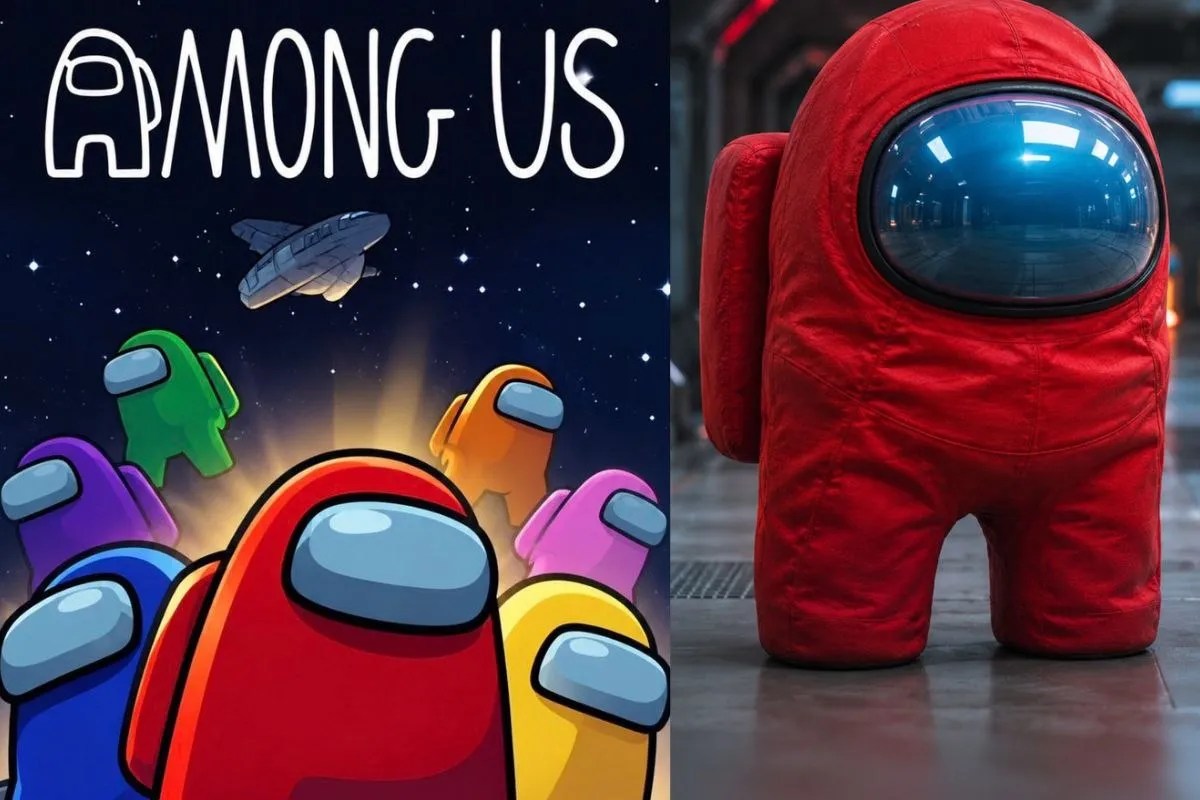
Kylie downloaded Among Us, the wildly popular social deduction game where players work together on a spaceship while trying to sniff out hidden impostors.
In October, deep inside a match, she started chatting with another young player. What began as casual in-game teamwork spilled over into other social media platforms. Trust built up rapidly. Kylie finally risked everything and told her online gaming partner the terrifying truth: a man had her locked inside a house against her will, and she believed everyone had stopped looking for her.
The Chain Reaction That Saved Her
The other child took the revelation seriously and immediately told their mother. Instead of brushing it off as online drama, the mother escalated the information straight to the Federal Bureau of Investigation.
Federal agents moved fast. By November 1, investigators set up a secure video call directly with Kylie. She laid out the entire timeline of the kidnapping, detailing Harmel's abuse and the exact conditions of her captivity.
That same day, Oregon State Police and federal authorities converged on the Huntington home. They pulled Kylie out of the basement and rushed her to safety for immediate medical evaluations. Meanwhile, law enforcement tracked down Harmel during a routine traffic stop, arresting him on the spot. A search of his property uncovered physical evidence matching Kylie's harrowing account.
FBI Director Kash Patel later confirmed the successful rescue operation, crediting the seamless coordination between local Oregon police and the Salt Lake City field office. Harmel now faces severe federal charges for transporting a minor across state lines with intent to commit exploitation.
Online spaces often take heavy flak for safety risks, cyberbullying, and digital isolation. Yet in this rare, high-stakes instance, a digital lobby of strangers turned out to be the only lifeline standing between a trapped teenager and absolute despair.