Justice moves slowly in British Columbia. Sometimes, it has to run the entire race twice.
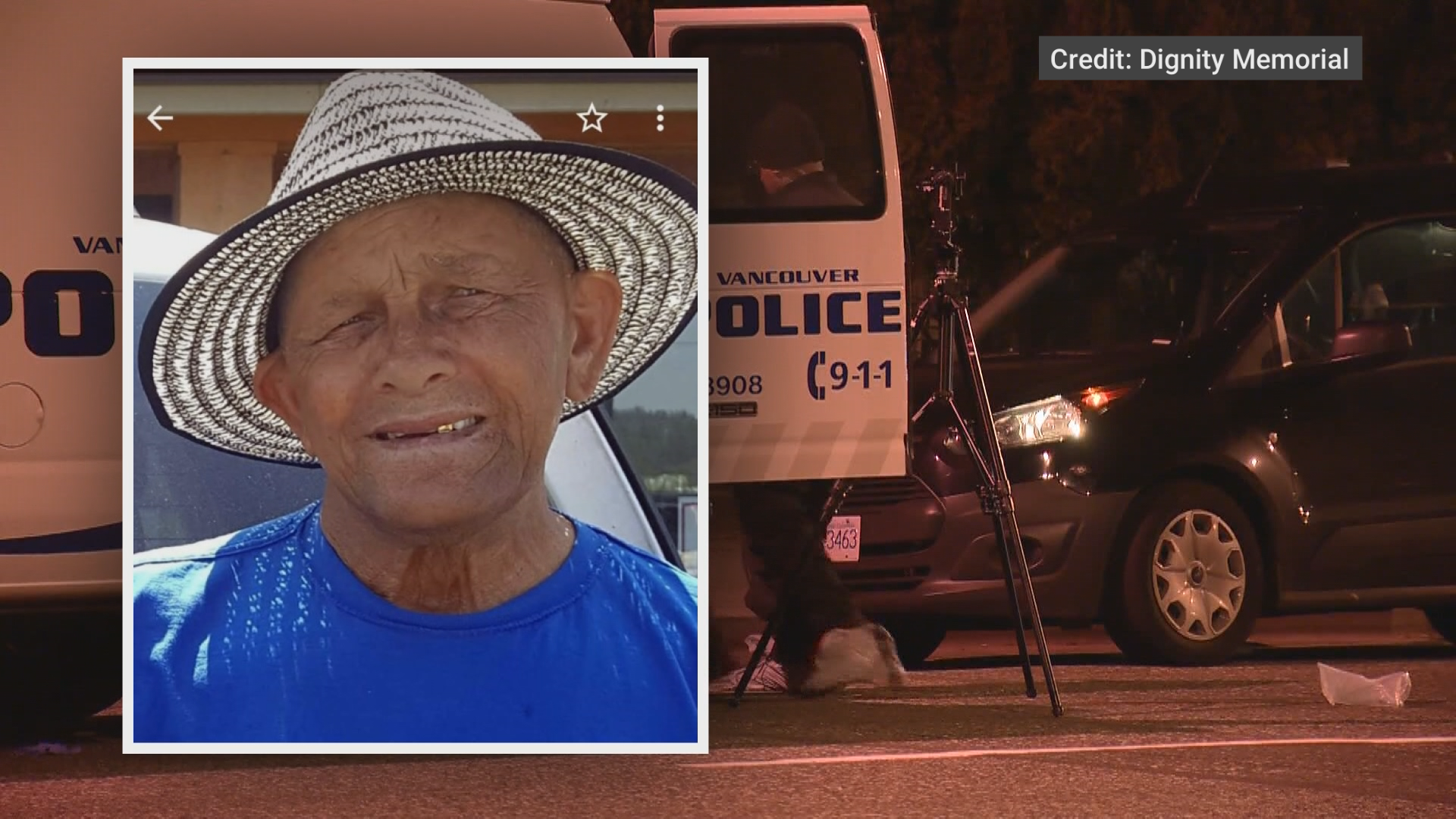
Alvaro Julio Roche Garcia just found that out the hard way. A new Vancouver jury convicted him of first-degree murder for the January 2019 shooting death of 69-year-old Zenen Cepeda Silva. It's the second time a jury has reached this exact verdict for Roche Garcia on the exact same charge.
The first conviction didn't survive a legal challenge. B.C.’s highest court tossed it out in 2024 because the original trial judge made a massive procedural error. That ruling proved that even in high-profile homicide cases, procedural rules matter just as much as the evidence itself.
The Crime on Fraser Street That Started It All
In January 2019, Zenen Cepeda Silva sat on a porch on Fraser Street in Vancouver alongside his wife. Gunfire shattered the quiet evening. Cepeda Silva was gunned down right there in broad daylight.
Alvaro Julio Roche Garcia was arrested soon after. Police and prosecutors pointed to a long history between the parties. Crown counsel Daniel Port noted during the retrial that the victim and the accused had known each other for roughly 15 years, having crossed paths while living both in Albuquerque, New Mexico, and later in Vancouver.
Yet, a clear motive remained completely elusive. Even after a gruelling five-week retrial, the jury heard no definitive reason why a 15-year acquaintance would turn lethal.
Why the First Conviction Collapsed
The road to this second verdict was paved with legal technicalities that highlight the strict safeguards of Canadian criminal law.
During the initial trial, prosecutors relied heavily on audio recordings from a preliminary inquiry. Cepeda Silva’s wife had given testimony there, but she suffered a debilitating stroke before she could ever take the stand at the actual trial. Through the audio recording, the jury heard her dying husband's last words: "Look how Alvaro has killed me."
It sounds damning. But the B.C. Court of Appeal found a fatal flaw. The trial judge allowed the jury to treat that un-cross-examined hearsay statement as established fact. Because defense lawyers never had the chance to properly test that preliminary testimony through cross-examination, the higher court ruled the trial unfair.
The conviction was struck down. A do-over was ordered.
The Retrial and the Defense Strategy
Trials are dynamic battlegrounds. What worked once doesn't automatically work twice.
During the recent five-week retrial, Roche Garcia took a different tack. He maintained his innocence, telling the court he had no reason to shoot and kill Cepeda Silva. His defense team hammered away at a familiar theme: the absolute lack of hard, physical evidence directly linking Roche Garcia to the trigger.
Without a smoking gun, without a clear motive, and without an eyewitness willing or able to testify live in court, the Crown had to rebuild its entire circumstantial case from scratch. Prosecutors relied heavily on establishing the long-standing personal history between the men and piecing together the timeline of that fatal January day.
Ultimately, the second jury wasn't persuaded by the defense arguments. They deliberated and returned a unanimous verdict of first-degree murder.
What Happens Next in the Legal Process
A guilty verdict closes one chapter, but the legal machinery keeps turning.
A sentencing hearing is scheduled for next month. Because first-degree murder carries an automatic life sentence with a mandatory period of parole ineligibility under Canadian law, the actual prison term isn't up for debate. What remains is the formal closure of a case that has dragged on for over seven years since the initial shots rang out on a Vancouver porch.
For the legal system in British Columbia, this case stands as a stark reminder of why appellate courts exist. Mistakes happen under the bright lights of a courtroom. Catching them early prevents wrongful imprisonment, even if correcting them requires putting communities through the emotional wringer of a second murder trial.