Washington is making a massive push into Central Asia, and Samarkand just became the center of gravity.
When US Secretary of State Marco Rubio and President Shavkat Mirziyoyev sat down for bilateral talks in Uzbekistan, the geopolitical chess board shifted. Sergio Gor, the US Ambassador to India, didn't mince words afterward, declaring the bilateral ties between Washington and Tashkent stronger than ever. Behind the diplomatic pleasantries lies a calculated strategy involving trade frameworks, critical minerals, and a deliberate effort to rewrite economic alliances in a crucial region.
If you're wondering why American officials are suddenly paying close attention to landlocked Central Asia, look at the map and look at the supply chains.
The Samarkand Summit and the Push for Reciprocal Trade
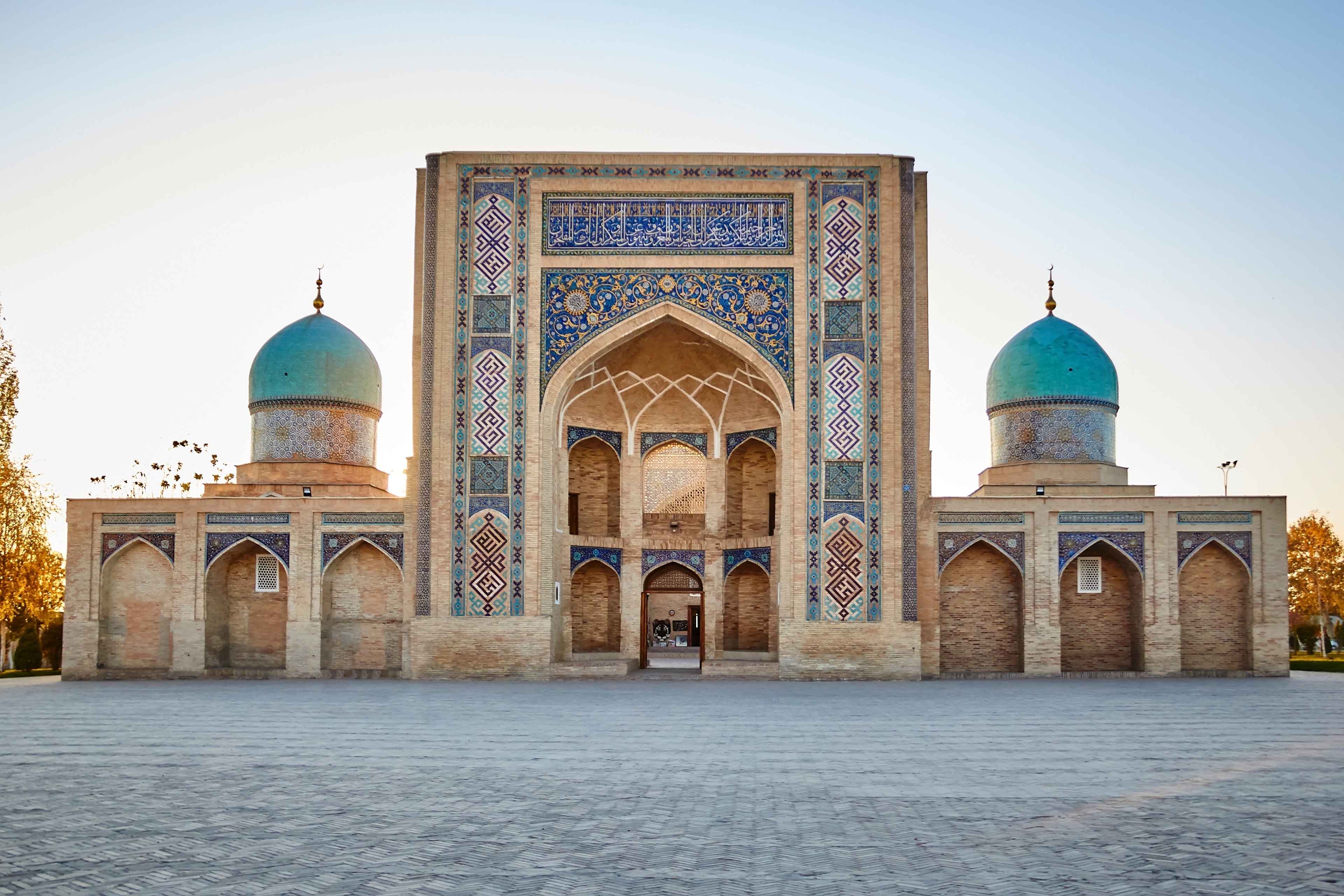
Rubio's arrival in Samarkand marked a historic milestone as his first official trip to Central Asia. He didn't travel light. He touched down leading a delegation of more than 200 business executives looking for actual deals, not just photo ops.
The primary prize on the table is accelerating negotiations on a Reciprocal Trade and Investment Framework. Tashkent wants to expand its economic footprint, and American corporations want access to emerging markets that aren't tied exclusively to traditional regional heavyweights.
Sergio Gor pointed directly to this economic acceleration on social media after joining the high-level meeting. The narrative coming out of Uzbekistan isn't about vague diplomatic alignment anymore. It's about commerce, supply chain diversification, and opening doors that have stayed shut for decades.
Critical Minerals and the Real Motive
Let's be honest about what drives modern geopolitics. It isn't just about handshake agreements and shared democratic values. It's about critical minerals.
Uzbekistan sits on massive reserves of vital resources required for modern technology, green energy infrastructure, and advanced manufacturing. Tashkent is actively planning major production expansions, and Western nations are scrambling to secure non-adversarial supply chains for these materials.
When American trade delegations descend on Samarkand with hundreds of executives, they aren't sightseeing. They're trying to lock down access before competitors do. The C5+1 ministerial framework—bringing together the US and Uzbekistan, Kazakhstan, Tajikistan, Turkmenistan, and the Kyrgyz Republic—serves as the diplomatic umbrella for these resource and security discussions.
What This Means for Global Supply Chains
For years, doing business in Central Asia meant navigating complex bureaucratic webs dominated by legacy powers. Uzbekistan's current leadership under Mirziyoyev has pursued a pragmatic, open-door policy designed to attract foreign direct investment and modernize local infrastructure.
That shift caught Washington's attention. By pairing the C5+1 diplomatic push with high-powered business councils, the United States is trying to build a predictable, rules-based commercial corridor through Central Asia.
Expect to see real movement on trade agreements and joint ventures in the coming months. Companies operating in manufacturing, energy, and tech sectors should keep a close eye on Tashkent. The bureaucratic hurdles are dropping, and the capital is flowing.
Watch the trade framework negotiations closely over the next quarter. That will tell you whether these high-level meetings translate into long-term commercial dominance or fade into diplomatic history.