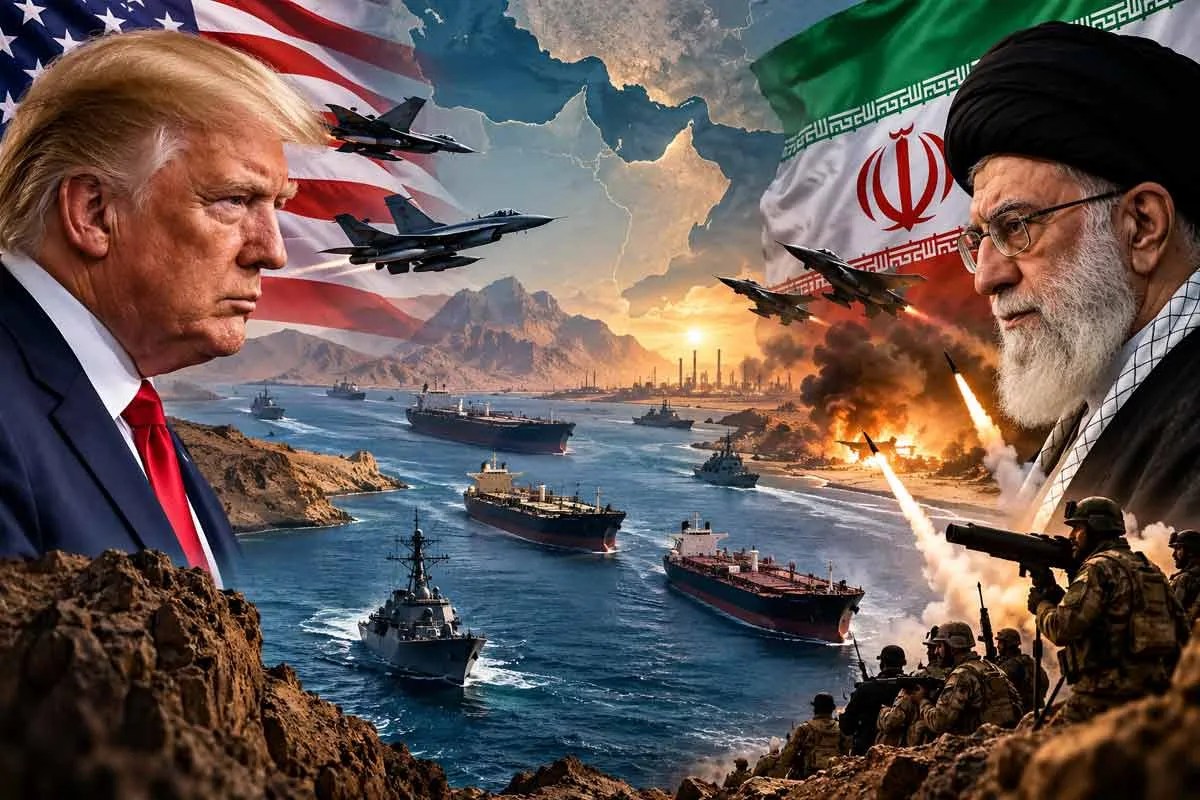
Let's cut right through the noise about the US-Iran standoff. Every time tensions spike in the Middle East, headlines shout about an impending war and broken peace talks. But if you look past the standard political theater, the current crisis isn't about sudden explosions. It's about a stubborn stalemate over economic sanctions, maritime choke points, and a deep-seated lack of trust that goes back decades.
Right now, diplomacy is completely dead in the water. Washington refuses to budge on its maximum pressure campaign, while Tehran insists that not a single piece of oil or trade will flow smoothly through the Strait of Hormuz until all economic penalties are lifted. When top officials from both sides draw lines in the sand like this, you know compromise is nowhere in sight.
The Stiff Conditions Stalling Peace Talks
If you're wondering why negotiations keep collapsing before they even start, look at the absolute demands coming out of both capitals. The US administration has made it clear that any meaningful diplomatic breakthrough is nearly impossible while Iranian forces or allied networks continue harassing commercial shipping lanes. They want absolute security guarantees first.
Meanwhile, Iranian leadership isn't backing down an inch. President Masoud Pezeshkian and Foreign Minister Abbas Araghchi have repeatedly stressed that talking under economic coercion is a non-starter. Tehran's stance is blunt: lift the financial blockades first, or the Strait of Hormuz remains a high-risk zone. Backchannels involving regional players like Qatar and Pakistan are still spinning their wheels, but without a concession on sanctions, those talks are going nowhere fast.
Why the Strait of Hormuz Controls the Global Economy
You can't talk about this conflict without looking at the map. The Strait of Hormuz isn't just a narrow strip of water off the coast of Iran; it's the literal jugular vein of global energy supply. A massive chunk of the world's petroleum and liquefied natural gas passes through this corridor every single day.
When threats escalate here, global markets panic instantly. If tanker traffic gets choked off or heavily disrupted, oil prices skyrocket within hours. Countries heavily reliant on imported energy—from major Asian economies to European markets—feel the immediate pinch. This isn't just a regional border dispute. It's an economic sword hanging over millions of people who have nothing to do with geopolitics.
The Ripple Effects Beyond the Gulf
The friction isn't staying neatly contained in the Persian Gulf either. Look at what's happening on the ground in neighboring regions. Iraq has started tightening and even shutting down critical border crossings with Iran, signaling how nervous immediate neighbors are about spillover instability.
At the same time, security crackdowns are intensifying far beyond the Middle East. Authorities in Europe have stepped up investigations into alleged covert operations linked to Iranian networks, including high-profile security probes near military installations in the UK. When intelligence agencies start treating diplomatic missions like active security threats, normal international relations break down completely.
What Happens Next
Don't expect a sudden diplomatic miracle to solve this overnight. As long as Washington insists on nuclear and regional compliance without dropping economic sanctions, and as long as Tehran uses maritime leverage to push back, this standoff will drag on. Keep an eye on shipping insurance rates, regional border closures, and backchannel communications rather than public threats. That's where the real story unfolds.