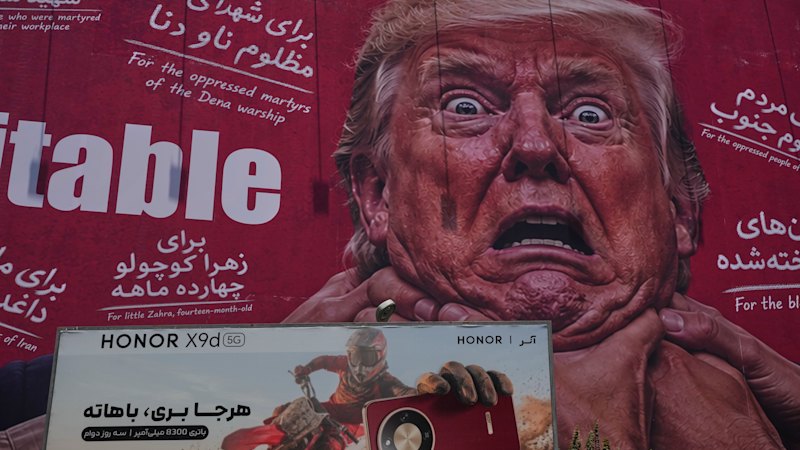
When the peace agreement between Washington and Tehran began fracturing, everyone pointed their fingers at Donald Trump. That is an easy trap to fall into. Trump's volatile diplomacy, shifting demands, and intense economic pressure campaigns make him an obvious target for blame. Yet, laying the entire collapse of the US Iran peace deal solely at the feet of the White House misses a much darker, internal struggle playing out inside the Islamic Republic.
The real story of how that fragile momentum shattered involves rogue factions, clandestine operations in the Strait of Hormuz, and a regime deeply divided against itself.
The Illusion of Control in Tehran
Back in July, Iranian President Masoud Pezeshkian felt optimistic. He had just navigated a tentative framework to end hostilities and repair his country's battered economy. Then, reality struck with explosive force. Iranian forces suddenly opened fire on three commercial ships in the Strait of Hormuz, setting a Qatari tanker ablaze and throwing international shipping lanes into immediate chaos.
Pezeshkian scrambled. He called General Ahmad Vahidi, the commander-in-chief of the Revolutionary Guard, demanding to know who authorized such a reckless provocation. Vahidi's response shocked the executive branch: he had no advance knowledge of the strike.
Iran's Supreme National Security Council had also been kept entirely in the dark. A fringe hardline faction had decided to bypass the government entirely, launching clandestine actions meant to sabotage any diplomatic compromise with the United States.
Why Moderates Lost the Power Struggle
The hardliners won that internal war because the highest office in the country was essentially vacant in practice. Following the death of the previous supreme leader, Ayatollah Mojtaba Khamenei took office in March, but he has remained a ghost. His rare written statements and messages face constant internal skepticism, leaving a dangerous vacuum at the top of the state apparatus.
Without a decisive, visible supreme leader to enforce discipline, internal chaos erupted. Senior officials engaged in screaming matches behind closed doors. Two high-ranking generals threatened to resign on the spot. Accusations of treason flew back and forth across government chambers.
The hardliners capitalized on this paralysis. They wanted escalation, and they got it. By the next morning, US airstrikes retaliated against the provocation, turning hopes of lasting peace back into active warfare.
Shuffling Chairs on a Sinking Ship
Tehran attempted damage control by appointing General Mohsen Rezaei, a seasoned politician and former commander-in-chief of the Guard, to lead the national security council. The goal was simple: find someone tough enough to mediate between warring political factions.
It hasn't worked. The factions committed to perpetual confrontation remain firmly in control of the levers that matter.
Blaming Washington for every breakdown in Middle Eastern diplomacy offers a clean narrative, but it ignores the reality on the ground. When rogue military actors can launch ships into flames behind the backs of their own elected president, peace doesn't stand a chance—regardless of who sits in the Oval Office.
Why Trump's Iran Deal Failed To Achieve His War Goals
This video provides valuable context regarding the structural limitations and strategic failures that undermined the diplomatic efforts between Washington and Tehran.
http://googleusercontent.com/youtube_content/1