Hollywood has spent a century telling us how war works. You get an elite soldier, a heroic rescue, a booming soundtrack, and an inevitable ideological speech about freedom. But what happens when you strip away the military brass and place an ordinary Chinese cook right in the crossfire?
Director Wen Muye answers that question with his blockbuster hit Once Upon a Time in the Middle East. Grossing over 2 billion yuan shortly after its August 2026 release, the film rejects traditional combat choreography. Instead, it uses a restaurant kitchen as its emotional epicenter.
If you're tired of predictable action formulas, this movie offers something entirely raw. Let’s break down why this anti-war film is making waves and why it fundamentally shifts how global audiences view modern conflict.
The Kitchen Table Versus the Battlefield
Most war movies focus on state power, tactics, and high-stakes strategy. Wen Muye takes a sharp turn in the opposite direction.
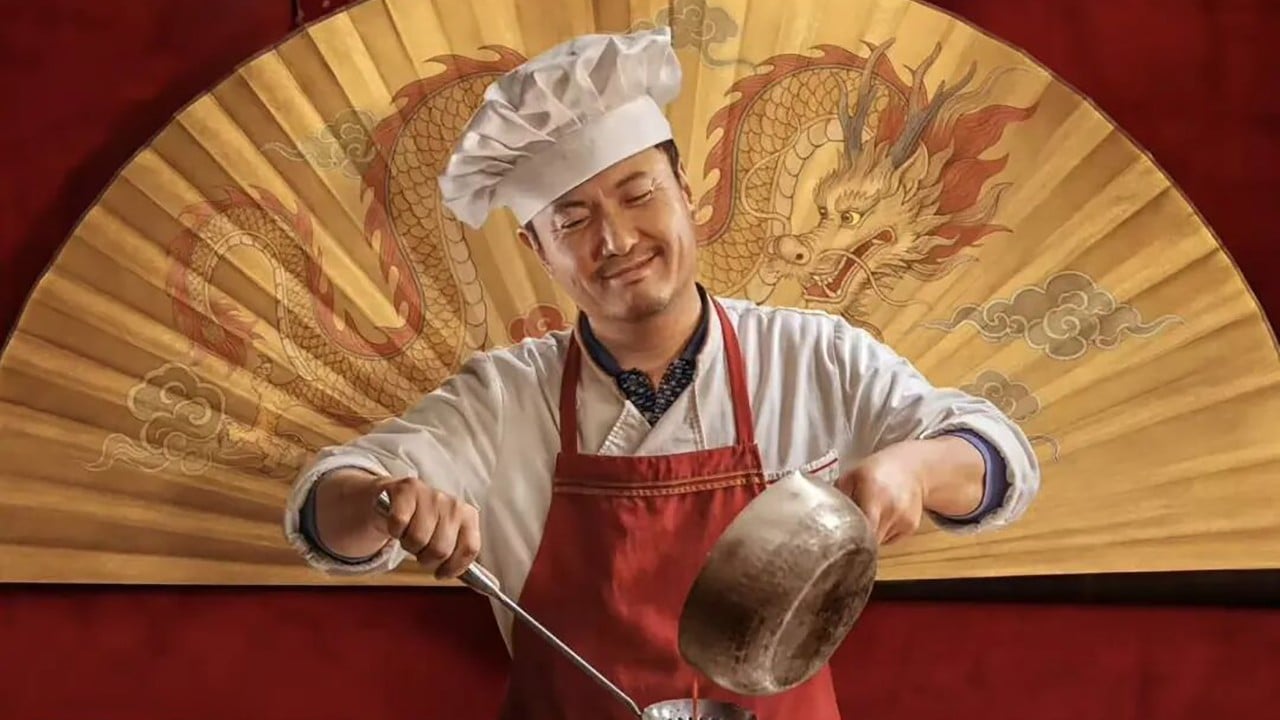
The story centers on Xu Fu, played by Shen Teng. Xu is a regular guy from northeastern China who travels to a fictional Middle Eastern city named Bahata to work off heavy personal debts. He becomes the head chef at the Dragon Restaurant. Then, an American-led invasion shatters the region.
Instead of grabbing a weapon or turning into an action hero, Xu does what he knows best. He cooks. He feeds people. When the city collapses into chaos, he turns his modest dining establishment into a sanctuary for local orphans and civilians.
This contrast is brilliant. War represents death, destruction, and chaos. Food represents life, comfort, and community. By anchoring the narrative in the daily grind of keeping a restaurant running amid bombings, the film grounds grand geopolitical tragedies in human survival.
Upending the Hollywood Saviour Complex
For decades, Western cinema dominated international perspectives on Middle Eastern conflicts. Those narratives usually placed Western soldiers or intelligence officers at the center of moral redemption.
Once Upon a Time in the Middle East throws out that playbook.
Xu Fu isn't trying to save the world. He's just trying to survive, pay his debts, and protect the kids sheltering in his kitchen. The film doesn't dress up the American invasion as a noble endeavor. It portrays the heavy, indiscriminate toll of foreign occupation through the eyes of people who never asked for a war to land on their doorsteps.
This perspective mirrors real-world history. Wen Muye drew inspiration from true accounts of Chinese restaurateurs who operated businesses in Baghdad during the 2003 invasion. Figures like Chen Xianzhong famously turned their restaurants into safe havens for journalists, doctors, and refugees caught in the crossfire.
By pulling from these real archives, the movie avoids cheap sentimentality. It presents an authentic view of everyday people caught between invading forces and local militant groups.
Why This Film Resonates Right Now
Audiences are exhausted by endless CGI explosions and paper-thin characters. They want real human stakes.
The movie’s massive box office success proves that viewers crave stories about ordinary empathy. When Xu Fu and his floor manager Ma Junsheng navigate imprisonment by both foreign troops and local extremists, their survival depends entirely on human bonds. A shared meal becomes an act of defiance.
Critics note that the film deliberately keeps the specific country unnamed, evoking a universal atmosphere rather than a localized history lesson. Whether it's the aftermath of the 2003 Iraq war or any modern conflict, the suffering of children and working-class immigrants remains identical.
What You Should Take Away
If you want to understand how Chinese cinema is expanding its narrative footprint globally, look right here. It's not about producing bigger action sequences than Marvel. It's about shifting the lens toward human vulnerability.
Check out Once Upon a Time in the Middle East if you want a war film that makes you feel uneasy, grounded, and deeply reflective. Pay attention to how the small moments—a bowl of warm soup, a shared glance across a ruined dining room—carry more emotional weight than any battlefield victory ever could.
:max_bytes(150000):strip_icc():focal(999x0:1001x2)/billy-joel-new-single-012224-af3bdb59cc80460ea7e48e86a1f79a4c.jpg)