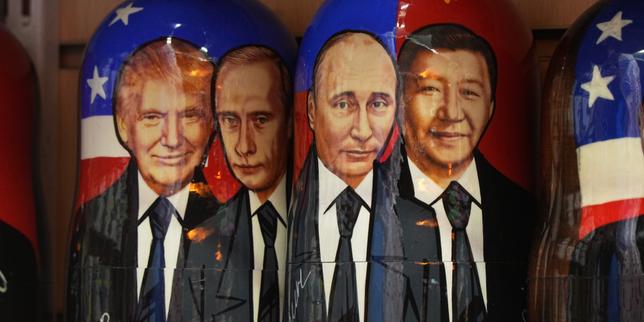
When three leaders control a massive share of global power, everyone expects a grand bargain. The upcoming trilateral meeting between Donald Trump, Vladimir Putin, and Xi Jinping in China during the APEC summit has sparked intense speculation. People think the fate of Eastern Europe will be sealed behind closed doors.
Washington just cleared up the confusion. White House officials confirmed that while the historic summit is happening, discussions about the war in Ukraine are off the table.
If you expected a modern Yalta conference where empires redraw borders over map tables, look closer. The agenda centers squarely on global nuclear non-proliferation, regional stability in Iran, and broader security frameworks. Ukraine remains sidelined from this specific trilateral format, handled instead through separate diplomatic tracks.
What the White House Actually Announced
The official line from Washington is surprisingly specific. A senior administration official noted that while Trump intends to sit down with Xi and Putin in Shenzhen, the Chinese leadership plays no direct role in the parallel negotiation tracks happening between the US, Russia, and Kyiv.
Because Beijing operates outside those specific channels, dragging Ukraine into the trilateral summit format doesn't fit the diplomatic plumbing. Instead, the meeting shifts focus toward nuclear arms control reductions—a pet priority for Trump—alongside managing tensions in the Middle East, particularly following recent escalations involving Iran.
This distinction matters. For months, analysts feared a grand backdoor deal where Washington and Moscow would carve up spheres of influence while cutting out European allies and Kyiv entirely. By explicitly setting Ukraine aside for separate channels, the White House is trying to calm nervous European capitals.
Why Skipping Ukraine Makes Tactical Sense
You might wonder why Putin would agree to a summit where his primary obsession—subduing Ukraine—gets sidelined. The reality is that leverage works differently now.
Putin originally floated the concept of a tripartite gathering to project equal footing alongside Washington and Beijing, framing himself as an architect of a new multipolar order. But Trump's team operates on transactional urgency. They want immediate wins on nuclear stockpiles and economic stabilization rather than getting bogged down in territorial disputes where neither side is ready to cede ground.
Furthermore, Beijing walks a tightrope. Xi Jinping wants to project global statesmanship and secure trade partnerships without getting dragged into direct complicity with Moscow's military quagmire in Europe. Keeping Ukraine out of the Shenzhen summit allows China to maintain plausible deniability as a neutral facilitator of peace while dodging direct diplomatic fallout with the West.
The Separate Track Reality
Just because Ukraine isn't on the table in Shenzhen doesn't mean backchannel talks have stopped. US envoys continue separate dialogues with Russian counterparts, navigating difficult bottlenecks regarding security guarantees, energy flows, and prisoner exchanges.
Those talks happen away from the cameras. They involve hard concessions, economic carrots—such as discussions surrounding energy distribution—and heavy pressure on regional actors. Kyiv insists that no final arrangement holds any legal weight without direct Ukrainian representation at the signing table. Washington's decision to keep Ukraine off the agenda in China signals an implicit acknowledgment that you cannot bypass sovereign stakeholders without destroying the credibility of any resulting peace.
What Happens Next
Don't mistake diplomatic compartmentalization for a lack of momentum. When Trump, Putin, and Xi share a room, the sheer gravity of their arsenals and economic weight reshapes international relations.
Nuclear reduction frameworks and Middle Eastern stability are massive enough files to consume every minute of their time. Ukraine's future will be decided where the fighting and the separate diplomatic grit actually take place, far from the flashbulbs of the APEC summit. Watch the bilateral channels instead of expecting a quick fix from a three-way handshake.