Why a UN Tribunal Reversed the Sacking of a Palestinian Teacher
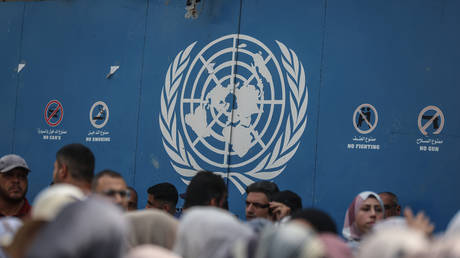
A UN tribunal just ruled that UNRWA failed to back up its dismissal of a Palestinian staff member with solid evidence, overturning the firing and awarding compensation. If you've been following the fallout over allegations that UN aid workers in Gaza had ties to Hamas or took part in the October 7, 2023 attacks, this decision blows a major hole in how those hasty terminations were handled.
Honestly, when an international agency fires people first and investigates later, you don't need a law degree to see trouble coming. In the case of staff member Abu Awad—a teacher and deputy school principal—the UNRWA Dispute Tribunal found that the agency relied almost entirely on unproven Israeli allegations without enough substantiated proof to justify ending his contract. The tribunal awarded him a year's pay plus $5,000 for moral damages, while noting it could not make a definitive finding on the underlying accusations themselves given the evidentiary gaps.
What Actually Happened in the 2024 UNRWA Firings
Back in January 2024, Israeli authorities raised allegations against UNRWA personnel regarding involvement in the October 7 attacks and ties to Hamas. UNRWA Commissioner-General Philippe Lazzarini moved fast, terminating contracts—including for nine staffers whose dismissals followed an internal probe—in what he later described in February 2024 as "reverse due process."
Think about that phrase for a second. Reverse due process. Lazzarini argued he had to act swiftly because around $450 million in donor funding was frozen or paused, putting the agency's broader humanitarian work in Gaza at risk. Yet firing staff before verifying intelligence flips basic workplace fairness upside down. Even worse, when UNRWA defended its January 26, 2024 decision before the tribunal in September 2026, it pointed to five documents that turned out to have been produced after the dismissal had already happened. You can't rely on paperwork that didn't exist yet when you made the call.
Why the Tribunal Questioned the Evidence
The tribunal didn't just nitpick dates. It dug straight into the quality of the intelligence behind the accusations against nine dismissed workers, including Abu Awad.
- Uninterviewed accused staff: Investigators did not interview 19 staff members initially named by Israel, citing safety and security concerns, leaving the record heavily tilted toward information supplied by Israeli authorities.
- Shaky signal intercepts: Allegations—including claims tied to intercepted phone calls and messages—ran into serious reliability problems, including a case of mistaken identity linked to a cloned SIM card, which is common in Gaza.
- Dubious voice recognition and transcripts: The tribunal called Israeli voice-recognition claims questionable and noted that certain transcripts reviewed by UN investigators did not back up claims of Hamas links or October 7 involvement.
- Need for objective analysis: UN investigators themselves flagged the need for a more objective approach when analyzing signals intelligence supplied by outside authorities.
From years of watching how high-stakes administrative disputes play out in international institutions, one pattern repeats over and over. When political pressure and donor panic collide, management often treats uncorroborated intelligence like a court conviction. In reality, raw intelligence is a lead, not proof beyond a reasonable doubt. Without independent verification, an employer is basically gambling people's livelihoods on hearsay and technical guesswork.
How This Fits With the Broader UNRWA Battle
This ruling doesn't sit in a vacuum. It lands right in the middle of a fierce legal and diplomatic clash over UNRWA's legitimacy, neutrality, and survival.
In October 2025, the International Court of Justice stated that Israel had not substantiated its claims that a significant share of UNRWA employees belonged to Hamas or other armed factions. Meanwhile, Israel's parliament passed legislation in 2024 moving to bar UNRWA from operating in Israel or the occupied Palestinian territories, and critics—including advocacy groups like UN Watch and some U.S. officials—have kept up intense pressure over alleged ties and curriculum or staff conduct. UNRWA, for its part, maintains that allegations are not evidence, points to independent reviews of its neutrality framework, and stresses that no other body can deliver education and aid at scale in Gaza.
You have to hold two truths at once here to stay honest. First, if any aid worker actually participated in militant attacks or violated humanitarian neutrality, accountability should be real and thorough. Second, firing people on thin or unverified intelligence damages both innocent workers and the credibility of the aid operation itself. As the tribunal observed, rushing dismissals on weak grounds hurt humanitarian efforts in Gaza rather than protecting them.
What People Usually Get Wrong About This Ruling
A lot of headlines make it sound like the tribunal declared every single accusation impossible or gave a blanket pass to every employee ever questioned. That's not quite right.
The tribunal specifically noted it could not adjudicate the core allegations against Abu Awad on the merits; instead, it ruled that UNRWA failed to meet its evidentiary burden to justify the termination. And there's a real debate among legal observers and humanitarian insiders over whether UNRWA leadership was trapped between impossible donor demands and legal obligations, or whether it caved too easily to external pressure without demanding hard proof first. Both sides have arguments worth weighing, even if the legal outcome here went against the agency.
Practical Next Steps If You're Tracking This Story
- Read primary tribunal and court summaries: Look up the UNRWA Dispute Tribunal's November 2026 ruling in Abu Awad v. Commissioner-General (UNRWA/DT/2026/070) and the ICJ's October 2025 findings rather than relying only on partisan summaries.
- Separate evidentiary rulings from guilt or innocence: When reading coverage from outlets like The Guardian or UN statements on UNRWA's site, check whether a ruling addresses proof of misconduct or procedural and evidentiary standards for firing staff.
- Watch how UN appeals and donor policies respond: Track whether UNRWA appeals the compensation order, tightens internal vetting and due-process rules before suspending or firing staff, and how major donors adjust funding conditions in response.