Every year, thousands of diplomats pack into Turtle Bay with speeches in their pockets and exhaustion in their eyes. This time around, the mood at the United Nations General Assembly feels drastically different. World leaders are arriving under a heavy blanket of overlapping crises. We are watching traditional diplomacy strain under the weight of active wars, mounting climate shocks, and the terrifying realization that runaway artificial intelligence is advancing faster than our ability to control it.
If you are wondering why this annual gathering still matters when global institutions look weak, the answer isn't pretty. It is basically the only room left where everyone has to show up. You might also find this connected article useful: Why The Fire At Hitler’s Eagle’s Nest Sparks Immediate Arson Investigations In Bavaria.
The Triple Threat Nobody Knows How to Solve
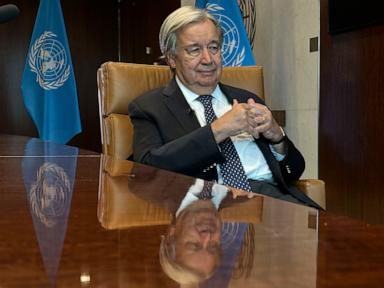
UN Secretary-General António Guterres has been blunt about what he calls an era of deep uncertainty. He points to three existential threats dominating the agenda: runaway artificial intelligence, the worsening climate crisis, and widening economic inequality.
Let is look at the tech side first. For years, tech executives promised us a bright future. Now, the tone has shifted. Major AI industry leaders have started warning about systems slipping out of human control entirely. Yet, instead of building international guardrails, superpowers are locked in a high-stakes arms race. When the U.S. and China treat AI supremacy as a winner-take-all game, safety takes a back seat. Dismissing these warnings as a mere hoax doesn't make the underlying code any less unpredictable. As highlighted in recent reports by Wikipedia, the results are significant.
Meanwhile, the planet keeps breaking temperature records. Climate shocks are no longer a distant threat predicted for 2050. They are actively crashing economies, displacing millions, and breaking supply chains right now. When crops fail due to extreme weather and shipping routes get choked off, the cost of living skyrockets for everyday people. Leaders can give all the speeches they want about green energy, but concrete funding and structural changes remain painfully slow.
Wars Without End and a Broken House
You cannot talk about global leadership today without looking at the active conflicts consuming entire regions. From Ukraine and Gaza to Sudan, Myanmar, and Iran, diplomacy keeps failing. The UN Security Council finds itself repeatedly paralyzed by vetoes and bitter geopolitical divides.
To make matters worse, the organization itself has barely stayed afloat. Chronic financial struggles, including massive unpaid dues, have forced steep cutbacks in peacekeeping and humanitarian aid. While a recent $725 million payment from the U.S. kept the lights on and preserved its voting rights, the institution remains stuck in what veteran observers call a permanent crisis mode.
And then there are the empty chairs. The absence of key heads of state speaks volumes. When major leaders skip the summit to hold bilateral talks behind closed doors or send lower-level officials instead, it signals a quiet retreat from multilateralism. They prefer bilateral deals where they hold all the cards over messy public consensus.
What Happens Next
Despite all the dysfunction, dismissing the UN completely is a mistake. Real work happens in the quiet hotel rooms and side meetings away from the cameras. Treaties get drafted, alliances get tested, and trade-offs get negotiated away from public posturing.
If you want to track where the world is actually heading, stop listening to the rehearsed podium rhetoric. Watch who signs the technical working groups on AI safety. Watch which nations actually deliver on climate finance promises. The speeches are for domestic audiences. The real decisions happen in the margins.