The experiment is over. London and Paris just pulled the plug on a high-profile pilot program meant to curb perilous small-boat crossings across the English Channel.
If you've been following European migration politics, you know the stakes couldn't be higher. The scrapped initiative—often labeled a "one in, one out" arrangement—allowed British authorities to return certain asylum seekers back to France. In exchange, the UK agreed to accept an equivalent number of individuals who applied through established, safe routes. Recently making waves lately: Inside The Terrifying Cockpit Struggle On The Flydubai Flight To Israel.
It sounded tidy on paper. In reality, it collapsed under the weight of logistics, political pressure, and ongoing humanitarian crises in the water.
What the "One In, One Out" Arrangement Actually Did
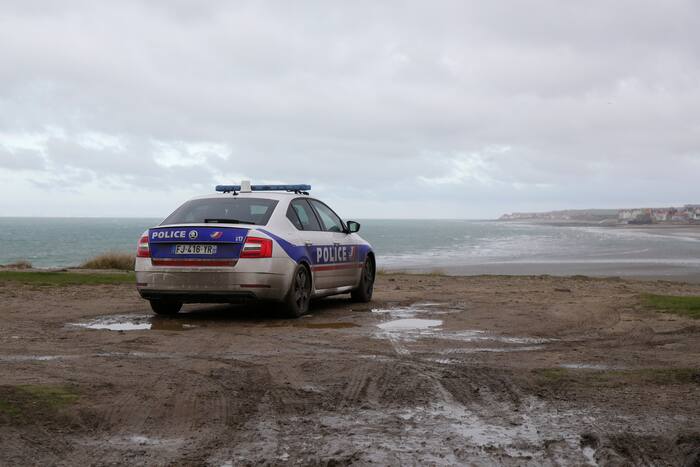
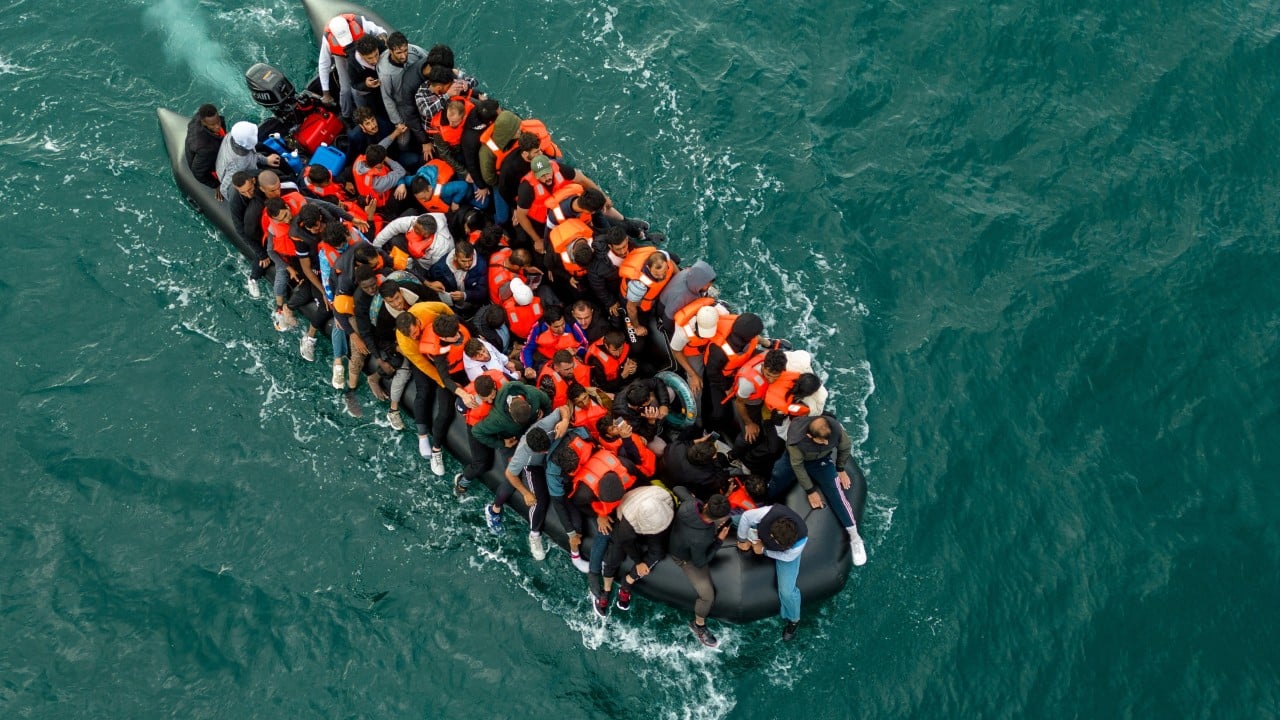
The scheme was originally designed to shatter the business models of criminal smuggling gangs. These networks charge desperate people thousands of dollars to board overcrowded, unstable dinghies departing from French beaches. More insights on this are detailed by TIME.
Under the terms of the pilot, approximately 1,500 individuals who made the dangerous unauthorized journey were sent back across the Channel. Britain accepted a comparable figure in return. Human rights organisations heavily criticized the agreement from day one, arguing that treating human beings as units in a bureaucratic trade-off ignored root causes and failed to provide genuine safe alternatives.
Despite returning those 1,500 people, the numbers tell a sobering story. Thousands more kept coming. By late September 2026, nearly 20,000 people had crossed the Channel that year alone. While that figure represented a year-on-year drop, the human cost remained horrific. Just days before the cancellation announcement, a tragic incident off the French coast claimed the lives of three migrants, including a young child, underscoring the lethal nature of the crossing.
Why the Deal Fell Apart
Political agreements between neighboring states require constant diplomatic alignment, and the cross-Channel partnership proved fragile.
Critics from multiple angles pointed out fatal flaws in the architecture of the exchange program. For immigration hardliners, the numbers swapped were too low to make a meaningful dent in total arrival figures. For humanitarian groups, the mechanism felt punitive rather than protective, doing little to deter smuggling networks that easily adapt to enforcement shifts.
The closure of this pilot leaves both governments scrambling for a new playbook. Smuggling rings continue to exploit coastline vulnerabilities, and courts in France continue handing down lengthy prison sentences to convicted traffickers—such as a recent case sentencing six men over a fatal 2021 shipwreck—yet the supply of desperate people willing to risk everything remains steady.
Where Border Policy Goes From Here
Scrapping this specific agreement doesn't mean cross-border cooperation is dead, but it does force a painful reset.
London and Paris now face immense public scrutiny to deliver policies that actually save lives instead of shuffling paperwork. Without a functioning swap mechanism, enforcement agencies are back to square one, relying on coastal patrols, intelligence sharing, and cracking down on financial flows tied to equipment suppliers.
The underlying problem hasn't vanished. Until sustainable, realistic pathways are forged and smuggling networks are dismantled at their financial roots, the waters of the English Channel will remain a dangerous focal point of European policy failures.