Communities don't heal overnight. When trauma strikes a small town, the physical spaces left behind carry a heavy weight. That's why the current public consultation in Tumbler Ridge matters so much more than just a standard civic construction project.
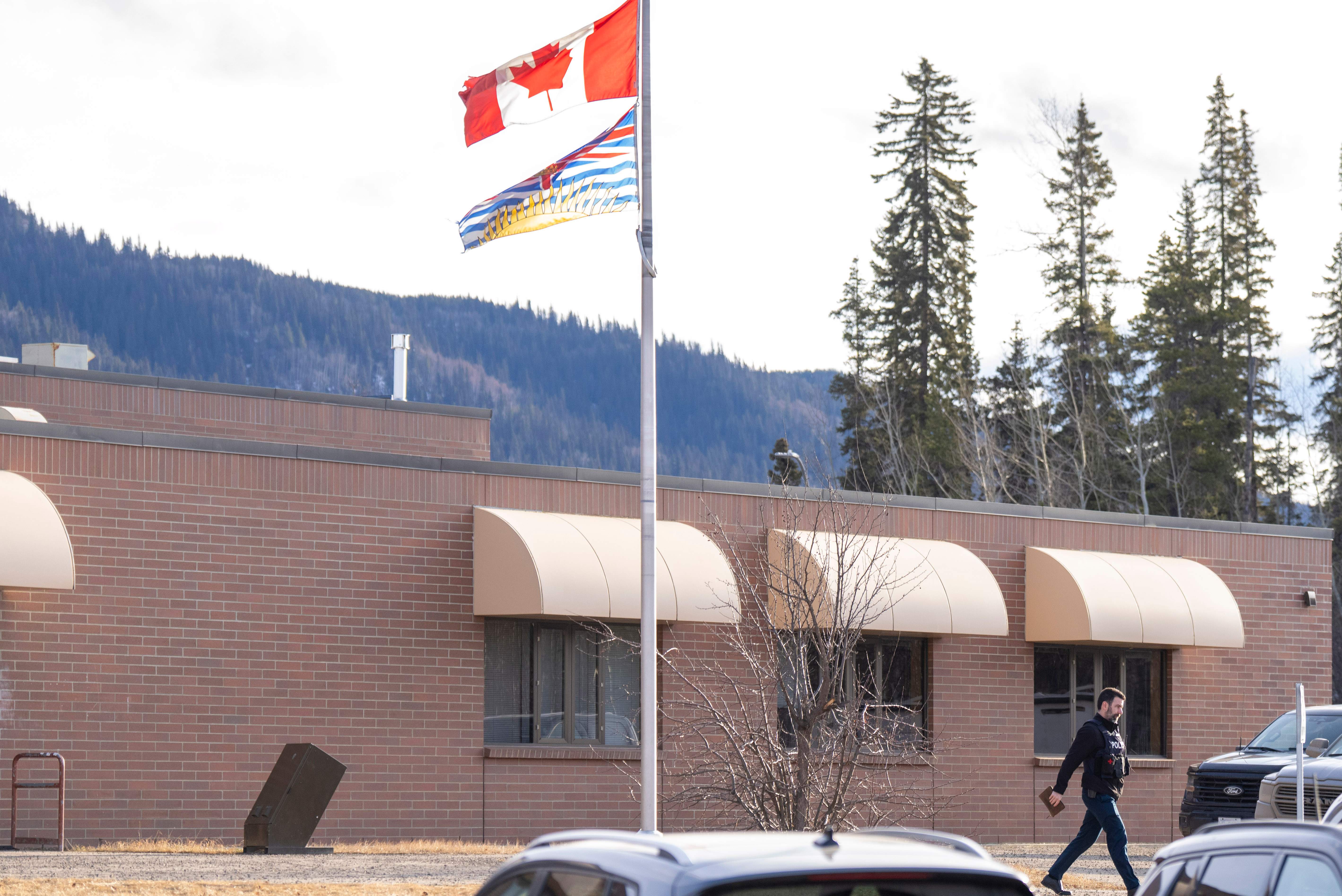
Residents are looking at design options for a brand-new secondary school. It's a massive milestone for a northern British Columbia community still grappling with the tragic shooting that occurred back in February 2026. Following the demolition of the old building in July, school district officials face a unique challenge. They aren't just putting up walls. They're trying to restore a sense of safety and normal life for students who deserve a fresh start.
The Two Paths Forward for Tumbler Ridge
School District 59 officials have narrowed the choices down to two distinct building strategies. Residents have a direct say in deciding which direction makes the most sense.
The first option involves a pre-fabricated build. This method relies heavily on off-site manufacturing facilities. Workers construct the core components elsewhere and then ship them to the site for rapid assembly.
The second option is traditional site-built construction. Crews build everything from scratch right on the property.
Both approaches have distinct pros and cons. Pre-fabricated structures often go up much faster. That speed can shorten the timeline for students stuck in temporary learning spaces. Traditional construction offers deep on-site customization. It allows builders to adapt instantly to local geographic quirks and specific community architectural preferences.
Board chair Chad Anderson and other local leaders are running a tight two-week consultation window. They want local voices to weigh in on features, layouts, and overall aesthetics. The goal is simple. Create an environment where students and staff feel genuinely secure and comfortable for decades to come.
Why Speed and Safety Drive Every Decision
Building a school after an unimaginable tragedy forces leaders to balance competing pressures. Families want a secure space as quickly as possible. At the same time, rushing a project of this magnitude can lead to oversight.
Safety architecture has evolved rapidly. Modern educational facilities prioritize open sightlines, controlled access points, and trauma-informed spatial design. Every hallway, common area, and classroom layout undergoes intense scrutiny. The community wants zero ambiguity regarding physical security.
Beyond security, psychological comfort remains paramount. Returning to the exact footprint of a tragedy was ruled out immediately following the event. Demolishing the old school was a painful necessity. Now, designing a replacement means choosing light-filled, welcoming spaces that replace dark memories with forward-looking optimism.
What Happens Next in the Process
The public survey closes soon. Following the data collection, the school board expects to finalize the construction method by late winter.
If weather and supply chains cooperate, shovels could hit the dirt by the summer of 2027. That timeline depends heavily on whether the district selects the pre-fabricated route or traditional building methods.
Rebuilding Tumbler Ridge's secondary school won't erase the past. But it gives the town a physical anchor for the future. By putting the design choice into the hands of the people who live there, local leaders are ensuring that the new school truly belongs to the community it serves.