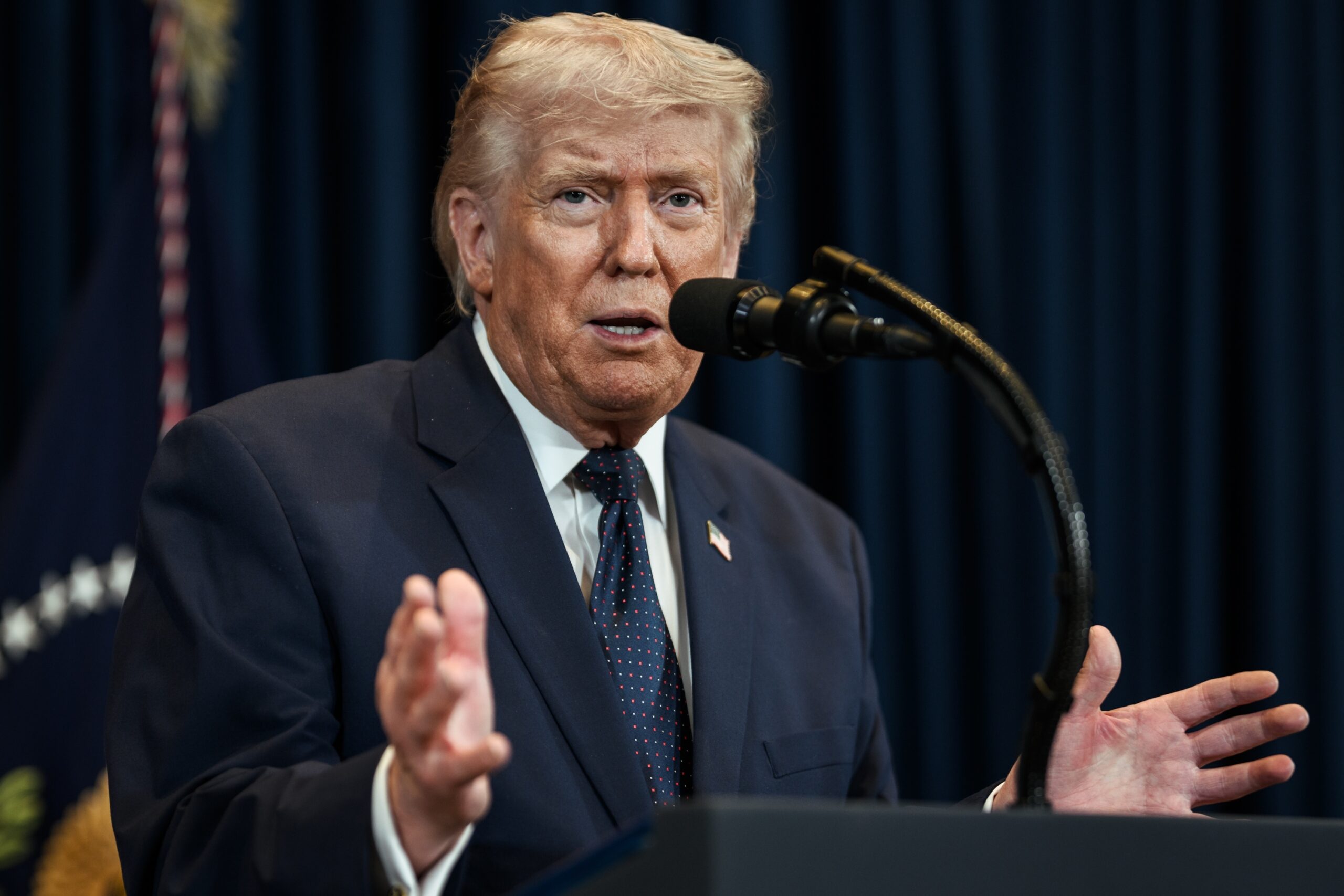
Washington just shifted the goalposts on Moscow. US President Donald Trump signed an executive order putting fresh Russia sanctions on hold and waiving restrictions on Russian oil and gas exports to ease global fuel prices, leaving Capitol Hill critics furious and European capitals scrambling to read the tea leaves.
It's a staggering pivot that exposes the deep fractures within Western coalition strategy. While Washington looks for ways to cool down domestic energy markets ahead of midterms, Europe faces a much uglier reality. The continent is still hooked on Russian gas, even if nobody in Brussels wants to admit it out loud over morning espresso.
Let's look at what's actually happening behind closed doors.
The Real Motive Behind the Washington Waiver
If you follow energy politics, you know Washington doesn't hand out sanctions waivers for charity. Trump's executive order—arriving just days before a major legislative deadline—follows a diesel deal struck with Vladimir Putin aimed at pumping more supply into global markets. White House allies argue that crushing global fuel prices takes priority over rigid geopolitical posturing, especially when stubborn inflation hurts voters at the pump.
Yet, lawmakers on both sides of the aisle are calling foul. Critics point out that easing export pressure directly refills Moscow's war chest just as fierce bombardments continue to batter Ukraine's electrical grid. Putin's investment envoy, Kirill Dmitriev, didn't hide his excitement, hailing the waiver as a historic moment on social media.
But Washington's policy shift creates a massive headache across the Atlantic.
Europe's Quiet Addiction to Moscow Gas
Brussels spent years grandstanding about total energy independence. Officials swore off Russian pipelines, poured billions into liquefied natural gas terminals, and slapped together packages of sweeping trade embargoes.
So why is Moscow's gas still flowing into European homes and factories?
The answer comes down to hard economics and physical infrastructure. While major pipeline flows through Ukraine have dropped significantly, parts of Central and Southern Europe continue to rely on alternative pathways or indirect supplies. More importantly, liquefied natural gas imports from Russia have quietly filled the gap for several member states that couldn't pivot fast enough without triggering severe industrial shutdowns.
When Washington eases oil and gas sanctions to lower global costs, it gives European buyers moral and commercial cover to keep purchasing. It removes the immediate legal threat of secondary sanctions that kept many shipping firms and traders awake at night.
The Fractured Western Front
The timing couldn't be worse for Kyiv. Ukrainian leadership has slammed the White House's new stance, warning that any relief given to Moscow's energy sector directly funds the missiles raining down on residential neighborhoods. Relations between Washington and President Volodymyr Zelenskyy are visibly fraying as the US pushes an aggressive "energy ceasefire" and peace negotiations that Kyiv views as a betrayal.
Meanwhile, EU leaders find themselves caught in a geopolitical pincer. On one hand, they need US intelligence, diplomatic backing, and military support to deter further escalation along NATO's eastern flank. On the other hand, their own economies would buckle if global energy prices spiked unchecked.
Buying Russian gas via middlemen or third-party brokers has become the dirty secret of European energy security. It is hypocritical, expensive, and politically toxic, but for countries struggling with heavy manufacturing costs, it keeps the lights on.
What Happens Next in Global Energy Markets
Expect more market volatility as traders try to figure out if Washington's waivers are a temporary election-year gimmick or a permanent shift in American foreign policy.
If you are running an energy-intensive business in Europe, you aren't planning for a green utopia right now. You are hedging your bets against supply shocks, tracking tanker routes, and praying that political squabbles in Washington and Brussels don't cut off your next fuel shipment.
Sanctions only work when everyone agrees to bleed together. Right now, everyone is looking for a loophole.



