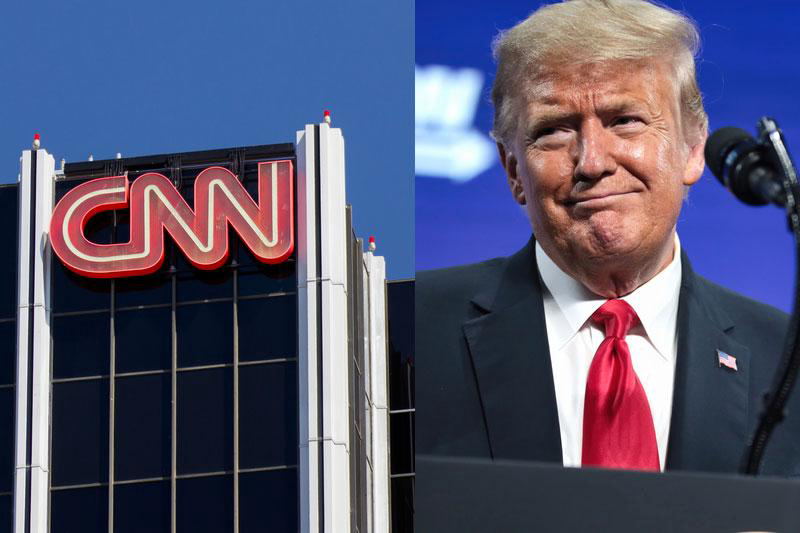
A seat at President Donald Trump's third meme coin gala once cost over $55,000 in token value. This past Sunday, November 22, 2026, someone made the cut at his Virginia golf club with roughly $518 worth of $TRUMP.
That single number tells you everything about how fast the meme coin hype cooled off. When $TRUMP launched right before his second inauguration in January 2025, traders sent it soaring near $75. Heading into this latest dinner outside Washington, D.C., the token was trading under a dollar—hovering around $0.88 to $0.89 after touching a fresh record low near $0.81 on Saturday.
If you're wondering what happens when a political meme coin drops roughly 99% from its peak while its creator still throws an exclusive dinner for top holders, Sunday night gave us a pretty clear answer. Fewer wallets showed up than organizers claimed qualified. The mood inside was quieter than the splashy May 2025 debut. And outside, people stood in the rain.
How the Trump Meme Coin Gala Shrank in Scale and Hype
Let's look at the numbers first, because they're wild. During the qualification window from September 30 to November 16 for this third gathering, organizers indicated 185 wallets met the time-weighted holding rules. Yet when the leaderboard closed on November 16, only 130 wallets actually appeared on the $TRUMP coin club site. Over 5,000 technically eligible holders didn't even bother registering, even after organizers tacked on four extra days to sign up.
Compare that to May 2025. Back then, 220 crypto investors showed up to the initial dinner at the same Virginia property, with top leaderboard wallets collectively holding $148 million in tokens. By Sunday night, the 130 listed wallets held a combined $8.6 million—about a 94% drop in total whale firepower on the board.
Even the guest list dynamics shifted. In May 2025, crypto investor Justin Sun made headlines as the top holder with roughly $18.5 million in $TRUMP tokens. This time around, Sun wasn't there, and his earlier relationship with World Liberty Financial had turned sour after a lawsuit over frozen assets. Instead, attendees got a dinner featuring grilled filet mignon and pan-seared halibut, remarks from Kevin O'Leary and former NBA player Tristan Thompson, a VIP reception for the top 29 holders (with strict rules barring private meetings with the president or gifts to him), and Trump 18K gold watches for the top four holders, alongside gift bags with a watch and fragrance for the top 120 attendees.
Honestly, it looked less like a roaring victory lap and more like a loyalty club trying to keep the lights on.
Why Political Meme Coins Keep Burning Late Buyers
Anyone who's watched token launches closely knows the playbook. When a celebrity or political figure drops a meme coin at peak attention, early liquidity surges, social feeds go nuclear, and late buyers rush in thinking "this one is different because of the brand."
Usually, it isn't.
Meme coins don't generate cash flow, build software moats, or enforce supply discipline the way productive assets do. They run on attention, timing, and insider tokenomics. While public disclosures and analyses reported by outlets like Al Jazeera and The Guardian show hundreds of millions in earnings flowing to Trump and billions in crypto venture gains for the family across their broader projects, outside retail and speculative holders have taken a beating. Analyses cited by Reuters and Public Citizen point to roughly $4.7 billion to over $5 billion in estimated losses for outside investors across Trump-linked crypto ventures, with $TRUMP alone accounting for billions in red ink.
Here's a mistake I see smart people make over and over in crypto: confusing access perks with investment value.
Getting invited to a dinner, a VIP reception, or a golf club event is a marketing perk. It doesn't create a durable floor under a token's price. Worse, event-driven contests often create weird market distortions. Traders buy tokens to climb a time-weighted leaderboard, then dump or unwind once the snapshot or event passes. Back in May 2025, roughly 40% of qualified guests had already trimmed their balances down to less than a single $TRUMP token by dinner day.
The Hedging Trick Some Traders Used
Not everyone walking into these dinners ate a massive loss on the coin itself. Bloomberg reported that trader Morten Christensen used a simple hedge: buy enough $TRUMP to qualify for the event, then open a separate downside bet that pays off if the price drops. Across his first two dinners, he turned roughly $1,200 and $500 entry costs into a tiny net profit of around $6.
Six bucks isn't life-changing money, obviously. Still, it highlights a sharp reality: some participants treated the dinner pass like a promotional coupon rather than a long-term conviction bet. If you're entering a meme coin contest without hedging or sizing for a near-total wipeout, you're basically handing liquidity to faster players.
Foreign Wallets, Ethics Battles, and the Competitiveness Pitch
Inside the clubhouse on Sunday, Trump framed his crypto push around national competition, telling attendees he was doing it for the United States so China wouldn't take the lead. That argument—that U.S. policymakers and builders shouldn't cede digital asset innovation to rivals—is a real debate in Washington and global finance. Plenty of industry participants argue that clear rules and domestic liquidity matter.
Where things get messy, fast, is mixing a sitting president's personal financial ventures with pay-to-play perks.
Critics and lawmakers have hammered these dinners as pay-for-access events that blur public duty and private profit. Adding fuel to that fire, a blockchain analysis by Public Citizen prepared for Reuters found that more than half of the wallets publicly listed on Sunday's leaderboard were tied to crypto exchanges that ban U.S. customers—a signal that foreign traders played a major role in the contest.
That raises two uncomfortable questions at once:
- Who is actually buying access? When offshore-linked wallets dominate a public leaderboard, transparency gets murky fast. Even if organizers say there are no private meetings or gifts accepted for the president at the VIP reception, optics matter enormously when a head of state hosts paying token holders.
- Is a sub-$1 meme coin helping or hurting crypto's credibility? Many serious crypto builders have spent years trying to separate utility, stablecoins, and regulated market structure from pure casino tokens. Watching a high-profile political coin lose nearly 99% of its value while hosting a subdued gala makes it harder for mainstream investors to tell the difference.
To be fair, defenders of the events argue that hosts set clear rules, that top holders earned their spots openly under published criteria, and that political opponents attack any crypto initiative regardless of structure. That push-and-pull isn't going away anytime soon.
Practical Next Steps If You Trade or Follow Meme Coins
Whether you bought $TRUMP out of curiosity or you're just watching how political tokens play out, treat this moment as a live case study in risk management.
- Audit your real motive before buying any meme coin. Ask yourself bluntly: am I buying this for a short-term volatility swing, for a novelty perk, or because I'm hoping for a miracle recovery? If you can't answer honestly, sit the trade out.
- Size positions like a lottery ticket, never a retirement plan. Never put money into a low-float or hype-driven token that you can't afford to watch drop 80% to 99%. In meme coins, a 90% drawdown isn't a rare black swan—it's standard operating procedure.
- Watch unlock schedules, liquidity, and post-event selling. Promotional contests and dinners create artificial demand windows. Once the event ends, demand often dries up faster than people expect.
- Separate policy debates from token charts. A politician or company can champion pro-crypto rhetoric or host flashy events while the underlying token bleeds value. Don't let headlines trick you into ignoring price action, thin liquidity, or basic math.