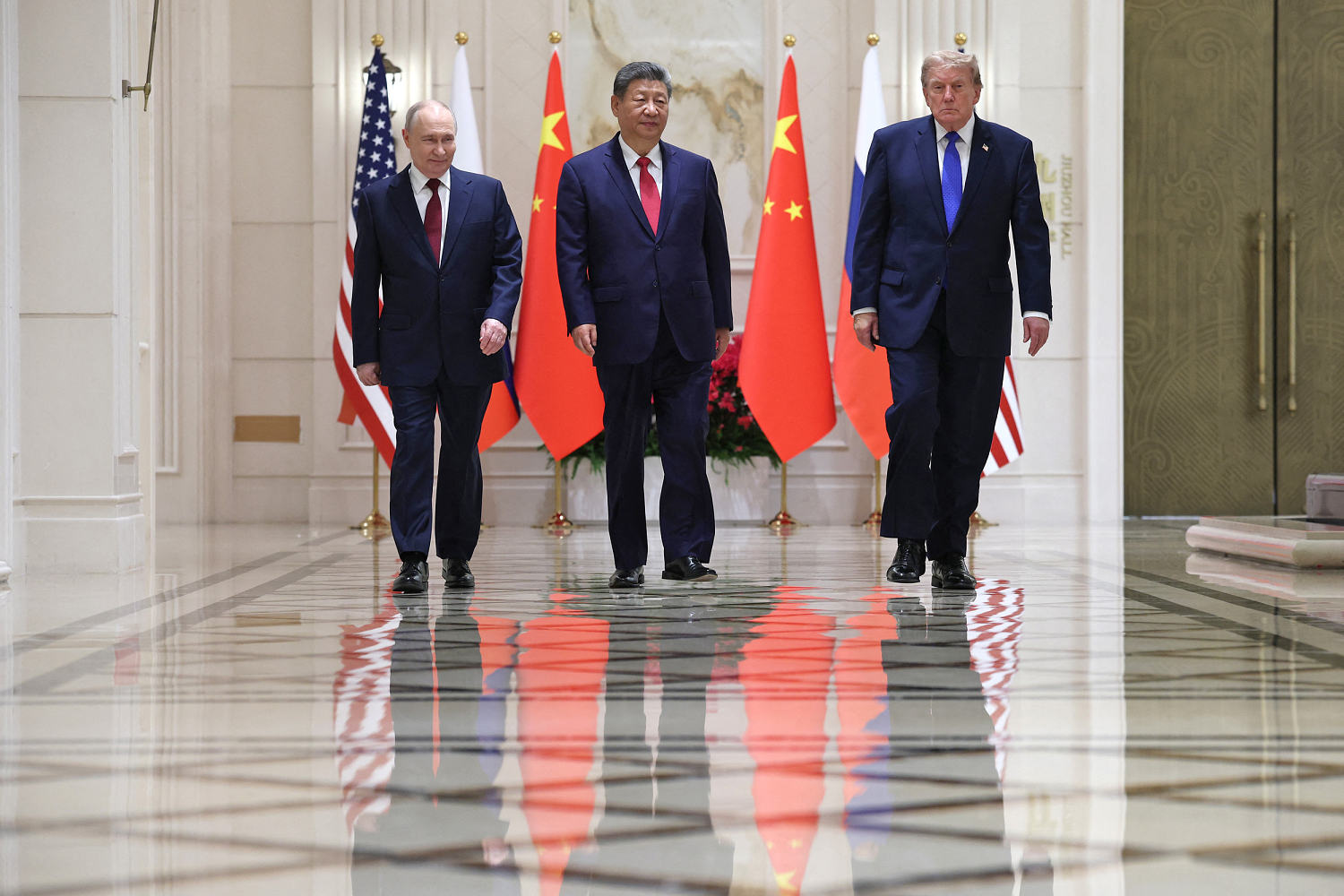
High-profile international summits often promise historic breakthroughs, yet they frequently end in carefully staged photo opportunities rather than concrete policy shifts. When world leaders sit down across a table in front of flashing press cameras, the spectacle itself can overshadow the hard, grueling work of traditional diplomacy.
The core issue facing modern presidential summitry is simple. Symbolic handshakes and joint photo sessions don't resolve structural geopolitical friction on their own. Without months of lower-level staff work, rigorous draft agreements, and enforceable commitments, even unprecedented executive sit-downs risk turning into empty political theater.
The Optics of Presidential Diplomacy
When a U.S. president flies across the globe to meet key foreign leaders, the political incentive structure leans heavily toward optics. Broadcast networks feast on the visual grandeur: executive aircraft landing, formal red-carpet greetings, aligned state flags, and bilateral handshake photos. For any White House, these visuals send a message of global stature and command.
Yet foreign policy experts and career diplomats routinely caution against substituting photo ops for policy substance. Historical summits that actually reshaped world affairs—like the 1987 Reykjavik summit between Ronald Reagan and Mikhail Gorbachev—succeeded only because intense, granular diplomatic groundwork backed up the high-level talking points. When summits bypass that preparation, the parties rarely produce legally binding commitments or verifiable strategic changes.
The Trap of Personal Relationship Foreign Policy
A recurring pattern in modern executive diplomacy is the belief that personal chemistry between heads of state can overcome decades of institutional rivalry. Calling strategic adversaries "friends" or relying on personal bargaining power creates great soundbites for news cycles. But national interests rarely bend to personal warmth.
Career diplomats understand what political appointees often overlook:
- Institutional continuity outlasts headlines. Foreign ministries, intelligence apparatuses, and state-backed defense sectors act on long-term national interest, not friendly banter at a summit dinner.
- Vague declarations lack enforcement. Joint statements declaring a shared desire for regional peace mean almost nothing without clear compliance metrics, enforcement provisions, and strict timelines.
- Adversaries gain equal standing. Simply sharing a stage with the President of the United States grants authoritarian regimes domestic prestige and global legitimacy, regardless of whether they make concessions.
Why Symbolic Meetings Fall Short in Modern Geopolitics
Great-power competition today involves complex economic interdependence, supply chain security, microchip export controls, cyber threat vectors, and multi-theater proxy conflicts. You cannot resolve those technical disputes during a two-hour bilateral meeting or over a working lunch.
When leaders issue vague four-point declarations or general peace pledges, domestic audiences might perceive immediate progress. But once the presidential entourage flies back to Washington, underlying strategic realities reassert themselves immediately.
If a summit fails to establish clear follow-up working groups, binding verification protocols, and measurable enforcement milestones, the geopolitical needle doesn't move. It leaves foreign partners guessing and allies uneasy about America's long-term commitment to traditional multilateral security guarantees.
How to Evaluate Diplomatic Success Beyond Headlines
To evaluate whether high-stakes presidential summitry actually delivers for American interests, look past the breaking news banners and ask four concrete questions:
- Was there a pre-negotiated draft text? Real diplomatic breakthroughs are usually 90% finalized by working-level envoys before the leaders ever touch down.
- Did the meeting yield verifiable concessions? Watch for measurable actions—such as specific tariff rollbacks, weapon stockpile inspections, or formal treaty ratifications—rather than aspirational promises.
- Were key regional allies included or consulted? Effective international strategy reassures treaty allies rather than catching them off guard through sudden unilateral declarations.
- Is there an enforcement mechanism? Ask what happens when one side violates the spirit of the declaration. If there's no defined penalty, the agreement is purely symbolic.
Understanding these diplomatic mechanics makes it easy to separate political stagecraft from genuine strategic achievement.
The video above provides additional context on how diplomats and foreign policy analysts evaluate executive summits beyond media coverage.
Analysis of Executive Summitry Outcomes
This video analysis breaks down the real-world diplomatic impacts and strategic tradeoffs of direct executive negotiations between world leaders.