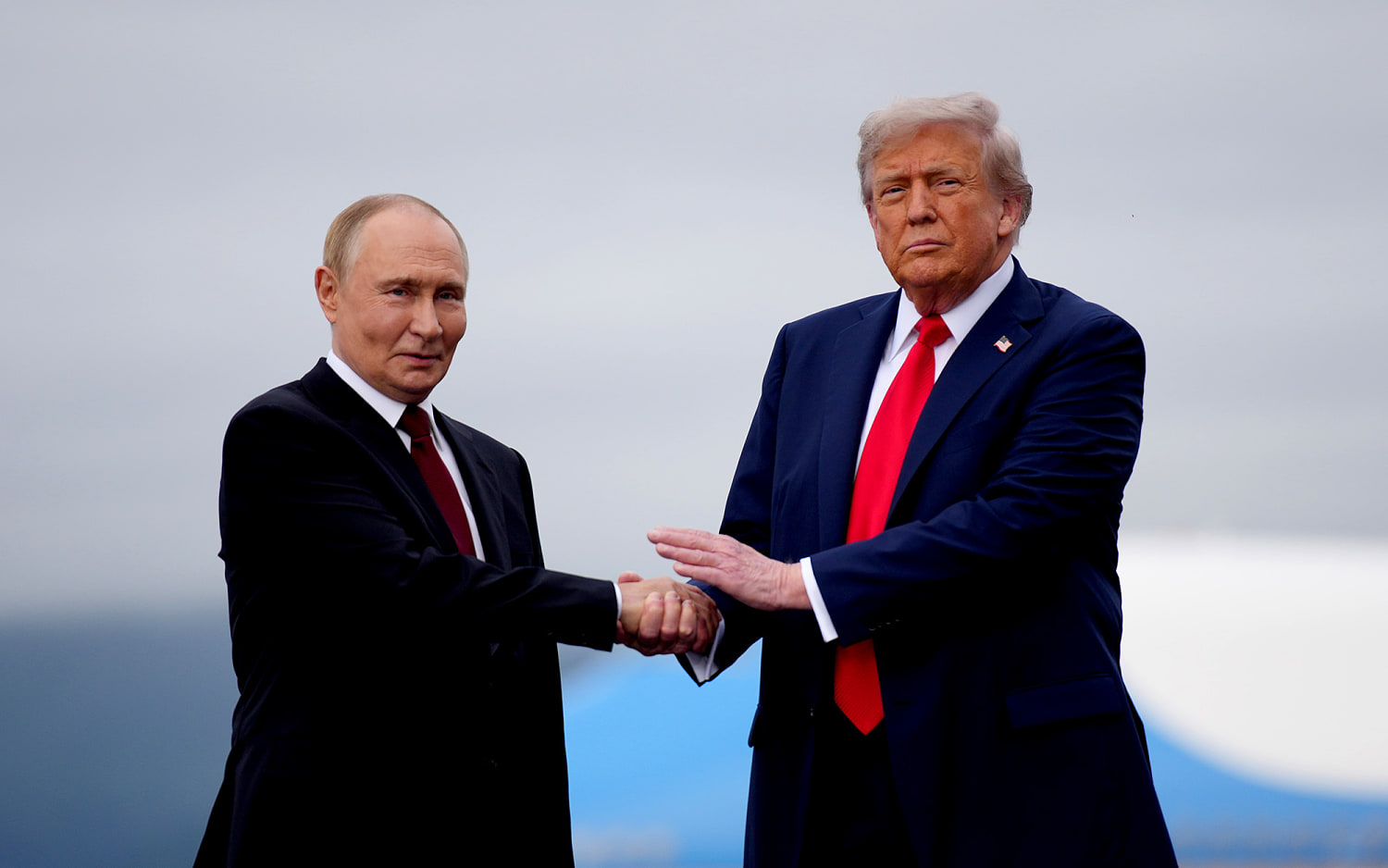
If you think personal charm and compliments can talk Vladimir Putin out of a war, you haven't been paying attention. Donald Trump has long operated on the belief that foreign policy is basically a high-stakes real estate deal. He thinks that if you treat an adversary well, offer warm words, and dangle economic incentives like diesel supply deals, you can bypass decades of geopolitical hostility with a handshake and a compliment.
Foreign policy veterans and national security analysts look at this approach and shake their heads. They know it's a fundamental misreading of how the Kremlin operates. Putin doesn't care about flattery. He cares about power, territory, and systemic advantage. When Washington tries to charm Moscow into negotiating on Ukraine, it doesn't look like strength. To the Kremlin, it looks like weakness.
The Flattery Playbook Meets Russian Realism
Trump’s strategy relies heavily on personal diplomacy. He believes his unique rapport with world leaders can achieve what traditional diplomacy cannot. Back when special envoys like Steve Witkoff fly out to St. Petersburg to meet with Russian leadership, the script is predictable. The White House hopes that a combination of praise, softened rhetoric, and business-friendly overtures will soften Moscow's stance.
It rarely works out that way.
Russia's negotiation style isn't built on reciprocity or warm fuzzies. Historical analysis of Russian diplomacy shows a rigid framework. They listen, they probe for weaknesses, they make demands, and they wait for the other side to blink. When an American president leads with compliments and concessions—such as easing energy market restrictions or pausing military assistance to Kyiv—the Kremlin doesn't take it as a cue to compromise. They take it as an invitation to demand more.
What Washington Gets Wrong About Moscow's Motivations
There is a massive gap between how Western leaders view peace talks and how Putin views them. Western leaders look at the mounting economic costs, the loss of life, and the destruction of infrastructure, assuming both sides are desperate for a way out.
Putin operates on a completely different timeline. The Russian state machine grinds forward, absorbing losses while banking on the erosion of Western political will. From Moscow's perspective, patience is a weapon.
When the Trump administration pressures Ukraine to make immediate territorial concessions or halts the delivery of vital defense systems like Patriot interceptors to force Kyiv to the table, it disrupts the balance. Instead of pushing Russia toward a fair compromise, it rewards aggression. Analysts at institutions like Chatham House and the Brookings Institution have repeatedly pointed out that when the U.S. leans on the victim while offering carrots to the aggressor, negotiations become a monologue of surrender rather than a dialogue of peace.
The Cost of One-Sided De-escalation
Real estate deals require compromise. War does not. If you give away your leverage before you even sit down at the bargaining table, you have nothing left to trade.
Consider what has happened as the administration pushes for quick deals. We've seen shifts in intelligence sharing, friction over energy policies, and intense pressure on Ukrainian leadership to halt strikes on Russian oil refineries while Russian ballistic missiles continue to pound civilian infrastructure. These moves send a loud, unambiguous message to Moscow: Washington wants out of this conflict so badly that it's willing to help clear the path.
That's not clever negotiating. That's an open door for exploitation.
Putin knows that political cycles in Western democracies are short. He knows that leaders want quick foreign policy wins to take back to voters. By simply holding his ground, refusing meaningful compromises, and waiting out the pressure, the Russian leader lets Washington do the heavy lifting of coercing its own allies.
Why Personal Chemistry Is a Trap
Trump's faith in personal charm stems from a worldview where relationships trump institutions. If you like the guy across the table, you can cut a deal.
But Vladimir Putin is an ex-KGB officer who views international relations through a lens of zero-sum domination. To him, personal warmth is a tactical tool, not a basis for trust. When American leadership tries to flatter him into a ceasefire, Putin pocketing the compliment while continuing his military objectives is the most predictable outcome in modern politics.
If the White House actually wants a lasting settlement in Ukraine, the playbook has to change. Flattery needs to be replaced by cold, hard deterrence. Moscow needs to face genuine economic and military pushback that makes continuing the war more painful than stopping it. Until Washington realizes that strength is the only language the Kremlin respects, every attempt to charm Putin into peace will end in frustration.