When you tap a tech executive to run the nation's premier civilian cyber defense agency, you expect fireworks. But nobody anticipated a confirmation hearing quite like the one Michael LoSapio just endured.
Trump’s nominee to lead the Cybersecurity and Infrastructure Security Agency (CISA) walked into a buzzsaw on Capitol Hill. Instead of fielding technical queries about securing critical infrastructure against state-sponsored hackers, LoSapio found himself sparring with senators over the events of January 6 and the 2020 election results.
If you're wondering why a cybersecurity appointment has turned into an intense political brawl, you have to look at the history of the agency itself. CISA was thrust into the political crosshairs back in 2020 when its former director, Chris Krebs, publicly defended the integrity of the presidential election. Trump fired Krebs via social media shortly after. Ever since, the agency's political independence has remained a touchy subject for lawmakers on both sides of the aisle.
The Confirmation Clash That Shocked Observers
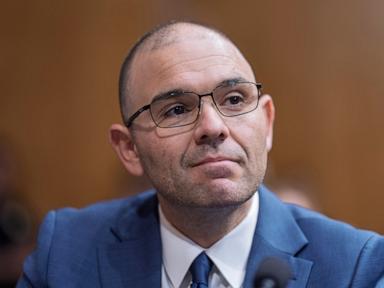
During his recent appearance before the Senate Homeland Security Committee, LoSapio—currently the chief information security officer at data analytics giant Palantir—faced direct questioning from lawmakers eager to pin down his political views.
When pressed by Senator Richard Blumenthal on whether he viewed the January 6 Capitol riot as an attack, LoSapio offered a flat rejection.
"I don't believe it was an attack, no," LoSapio testified.
The response drew immediate disbelief in the room. When Blumenthal followed up by asking whether Joe Biden won the 2020 election, LoSapio again balked, claiming he could not comment on events from six years prior.
Lawmakers wasted no time reacting. Critics immediately argued that ducking basic democratic facts disqualifies a candidate meant to safeguard election infrastructure and national cyber defenses. Retiring Senator Thom Tillis quickly announced a hold on the nomination, signaling that LoSapio's path through a lame-duck Senate before a new Congress takes over is going to be remarkably steep.
What LoSapio Plans to Do With CISA
Politics aside, LoSapio takes center stage at a time when America's digital infrastructure is facing unprecedented stress. During his testimony, he likened CISA to the digital equivalent of a 911 system. It's an apt comparison. CISA acts as the central hub coordinating defenses for state networks, local governments, and private sector utilities against relentless foreign and domestic cyber threats.
Yet, the agency he hopes to run looks vastly different than it did a few years ago. Over the past two years, CISA has weathered massive workforce reductions, losing roughly a third of its personnel through layoffs and departures. On top of that, the White House has floated additional budget cuts totaling hundreds of millions of dollars.
When pressed by Democratic senators about how he plans to manage an agency struggling with deep budget holes and missing staff, LoSapio repeatedly deflected, noting that he was an outsider who needed to conduct a full gap analysis before weighing in on administration cuts.
The Palantir Connection and Agency Turmoil
LoSapio's background brings its own set of scrutiny. Coming straight from Palantir—a firm deeply entrenched in defense contracting and intelligence work—he represents a corporate, tech-heavy approach to government operations. Supporters argue that private sector experience is precisely what a battered federal IT agency needs to modernize its defenses.
Critics counter that bringing in corporate leadership without a clear commitment to independent oversight leaves the agency vulnerable to further politicization. CISA has spent nearly two dozen months operating without a permanent Senate-confirmed director since Jen Easterly stepped down. Acting leadership has kept the lights on, but morale and institutional stability have taken a beating.
The clock is ticking down on the current legislative session. With a less friendly, opposition-controlled Congress looming on the horizon, the Senate must decide whether LoSapio's corporate credentials outweigh the fierce bipartisan friction sparked by his refusal to address past political flashpoints.
The security of America's digital backbone hangs in the balance, and the margin for error is shrinking fast.