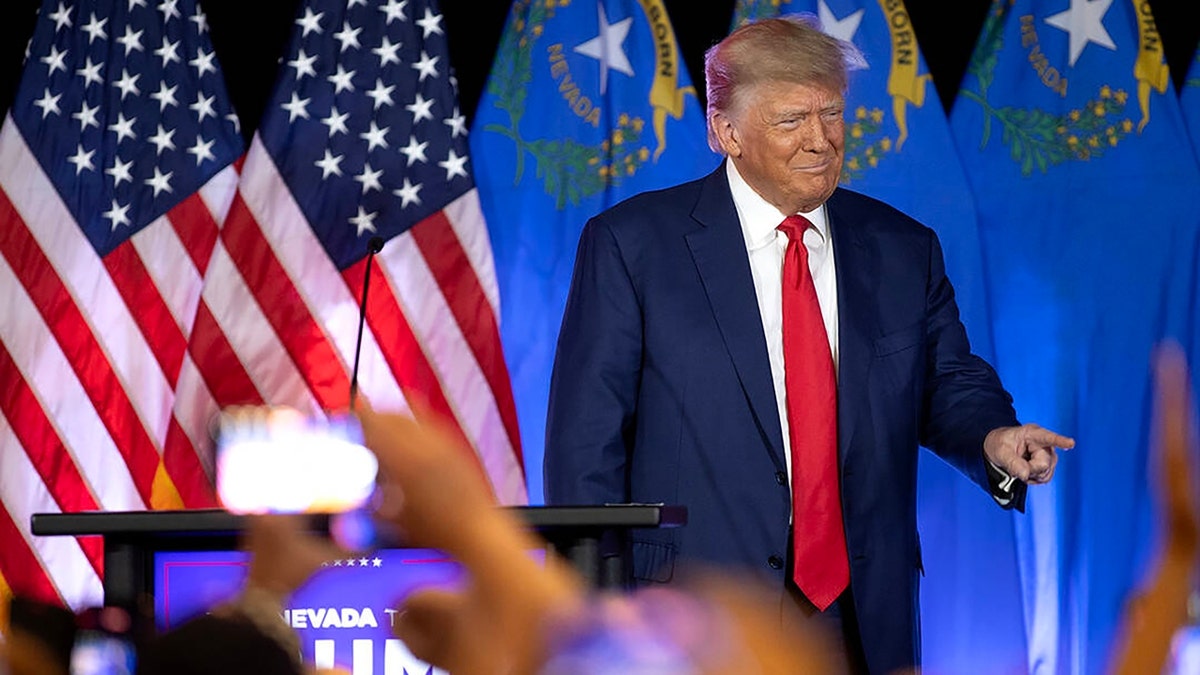
Donald Trump spent part of election evening staring at a screen, furious with what he saw, and immediately picked up his phone.
That scene unfolded on November 3, 2026, as returns began trickling in. It wasn't a broadcast from CNN or MSNBC that set him off. It was Fox News. For a different view, consider: this related article.
Taking straight to Truth Social while network commentators discussed early numbers, Trump blasted the Fox News polling unit as "insulting" and labeled its questions a series of "hit jobs". He singled out co-host Jessica Tarlov, attacking her commentary and announcing he had to switch channels until she was off the air. Moments later, live viewers saw host Greg Gutfeld read a direct text message from Trump right on the air to rebut Tarlov's commentary about gas prices.
This real-time feedback loop between a major political figure and cable television reveals far more than routine media complaining. It highlights how instant cable commentary drives political messaging, strategy, and public reactions in modern politics. Further reporting on this trend has been shared by TIME.
The Reality of Cable Media Feedback Loops
Most political figures pretend they don't pay attention to daily television coverage. Trump has always taken the opposite approach. He watches cable news in real time, responds publicly, and directly contacts on-air personalities.
This direct feedback loop creates a unique dynamic on live television:
- Instant Rebuttals: When commentators make points on air, high-profile viewers can send immediate pushback that gets read live to millions of voters.
- Network Friction: On-air hosts must navigate real-time pressure while trying to analyze numbers objectively.
- Audience Engagement: Viewers stay glued to coverage because the broadcast doubles as an interactive political arena rather than a passive summary.
When Tarlov offered her analysis of voter priorities, the response wasn't a staff press release handed out the next day. It was an immediate text delivered to Gutfeld during the broadcast. That speed changes how news is consumed and processed.
On-Air Comment Made ---> Direct Viewer Reaction ---> Live On-Air Reading
Why On-Air Conflict Drives Cable Ratings
Television executives have known for decades that friction generates high viewership. Fox News succeeded with The Five by pairing contrasting viewpoints on a single panel, pitting conservative mainstays against liberal voices like Tarlov.
When strong opinions clash on air, viewers react. Some tune in specifically to hear their perspective defended, while others watch to see the opposing argument challenged. When prominent leaders jump into that dynamic publicly, it turns standard commentary into breaking news.
Political media functions best when it provokes an immediate emotional connection. A calm, consensus-driven panel rarely holds audience attention for hours during high-stakes election nights. Heated exchanges, instant social media posts, and live texts keep audiences glued to the screen.
Moving Beyond Reactionary Media Consumption
Navigating fast-moving political media requires a deliberate strategy. Constant streams of live reactions and breaking commentary easily distract from core issues and actual data.
- Focus on official data over hot takes. Wait for final, verified vote tallies or official policy documents before drawing firm conclusions.
- Recognize the incentive structure of live TV. On-air conflict is designed to capture attention. Take dramatic exchanges with a grain of salt.
- Compare multiple reporting sources. Cross-reference live television statements with print reporting and primary documentation to get the full picture.
Media friction will always exist during major political events. Understanding how political leaders interact with live broadcasts helps you separate genuine strategic shifts from broadcast spectacle.