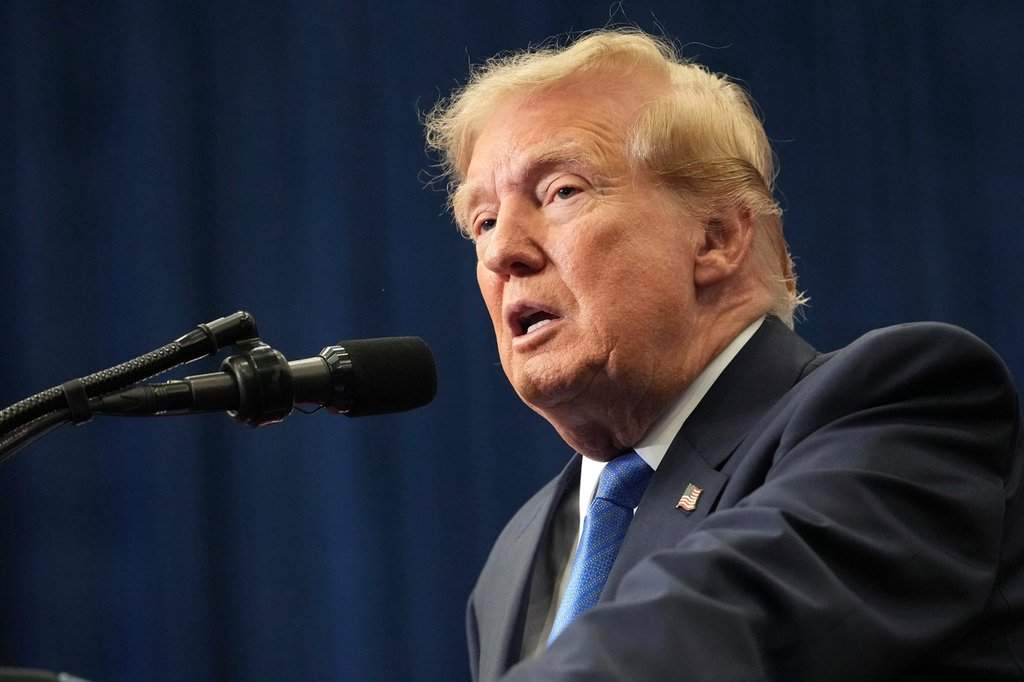
Donald Trump just declared that the United States is locking down a massive agreement to take control of 65 billion barrels of Venezuela oil reserves. If you follow global politics or energy markets, your phone probably blew up with notifications when the news dropped. Headlines everywhere treat it like an overnight fix for American energy dominance or a geopolitical earthquake. But if you know how heavy crude extraction actually works, you realize the reality is vastly different from the press release.
Let's look at what's really happening behind closed doors. The White House claims this arrangement lets the U.S. partner with an unnamed private operator to set up a new venture and grab those sitting reserves. It sounds incredible on paper. Sixty-five billion barrels is an astronomical number that can make any administration look like an economic titan. Yet, anyone who has spent five minutes looking at Venezuela’s crumbling oil infrastructure knows you can't just flip a switch and pump heavy crude out of the ground tomorrow. Read more on a similar subject: this related article.
The Infrastructure Nightmare Nobody Mentions
You cannot simply stick a straw into the ground and pull out Venezuelan heavy oil. Decades of underinvestment, corruption, and state mismanagement under socialist leadership have turned the country's oil fields into rusting graveyards. Pumps are broken. Pipelines are leaking. Refineries designed to process this specific thick, tar-like crude need billions of dollars in retrofits before they can handle commercial volumes again.
Major international oil companies aren't rushing to write blank checks for these projects either. Private executives remember history. The Venezuelan government nationalized foreign assets twice in past decades, seizing billions in private capital. Why would any rational board of directors pour money into a volatile South American nation today when they can pump cheaper, easier shale oil right at home? The math doesn't add up, no matter how loud the political rhetoric gets. Further analysis by USA.gov delves into similar perspectives on this issue.
Strategic Positioning and Trade War Pressures
Timing tells you everything you need to know about why this announcement happened right now. This declaration arrived just as retaliatory trade measures and tariff disputes were heating up between North American neighbors. For months, politicians and commentators have debated whether energy exports could be used as a bargaining chip in broader trade wars.
When Trump throws out numbers like 65 billion barrels of Venezuela oil reserves, he’s sending a loud, calculated message to trading partners. It’s designed to project total self-sufficiency and signal that the U.S. has alternative cards to play if traditional supply chains break down. Whether those barrels ever materialize into actual gasoline at the pump is a totally separate question. Right now, it's a high-stakes leverage play dressed up as an energy pact.
Can Venezuela Actually Deliver?
Skeptics point out that even if legal hurdles and political agreements fall into place, physical production is years away. Refineries in the U.S. Gulf Coast are optimized for heavy crude, which historically made Venezuela an important trade partner before sanctions crippled the industry. But getting back to peak output requires an army of engineers, massive capital investments, and absolute political stability—three things that are currently in short supply in Caracas.
If you are trying to understand how this impacts your wallet or your investments, don't expect cheaper gas prices next week. The timeline for reviving these fields stretches across multiple years, assuming foreign investors even bite. Watch what private energy firms actually do with their capital budgets instead of listening to what politicians tweet. The real story isn't the headline number of barrels claimed; it's whether anyone can untangle the mess left behind.