American politics just shifted, and it changes everything for New Delhi. If you’ve been tracking trade tensions between Washington and India, you know the narrative of constant tariff threats has dominated the headlines. That era is done.
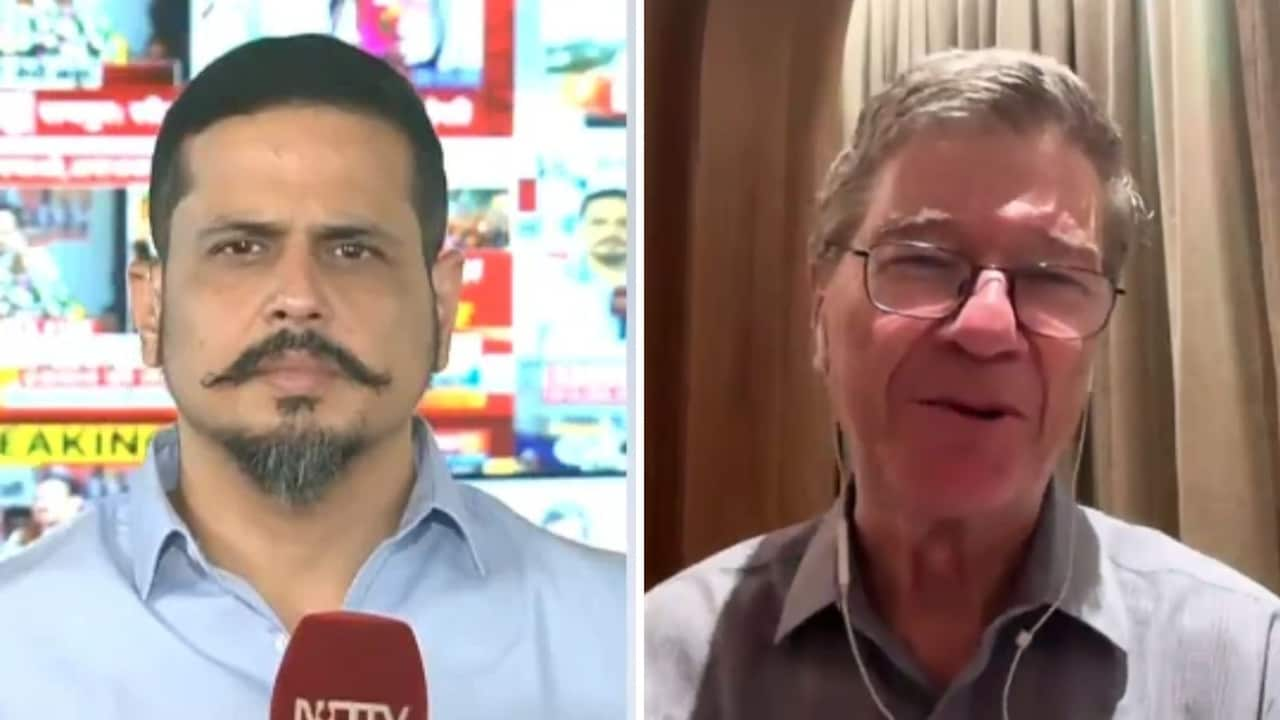
World-renowned economist Jeffrey D. Sachs recently laid out why the sweeping Democratic victory in the US midterms spells the absolute end of Donald Trump's tariff pressure campaign against India. Speaking from Varanasi after Democrats flipped Congress—securing majorities in both the House and the Senate—Sachs didn't mince words. Trump is now a politically constrained lame duck, and his aggressive trade tactics lack both domestic support and legal footing.
For Indian policymakers, this political earthquake isn't just foreign news. It represents a golden window of opportunity.
The Collapse of Trump Trade Bullying
Let's be honest. Trump's trade strategy relied entirely on shock value. One day it was sudden penalties; the next day it was unpredictable duties slapped on foreign goods. But as Sachs pointed out, these unilateral tariffs never had genuine constitutional backing from Congress. They amounted to taxation without representation.
Worse still, American consumers bore the brunt of those price hikes. When voters went to the polls in the US midterms, they rejected the economic squeeze alongside the foreign policy turbulence. The Republican wipeout in deep-red strongholds like Texas, Kansas, and South Carolina proves that the domestic base has turned away from chaotic unilateralism.
Trump is stuck. With a Democratic-controlled Congress ready to block funding and ambitious members of his own party eyeing the 2029 presidential race—such as Vice President JD Vance and Secretary of State Marco Rubio—the White House lacks the internal muscle to maintain aggressive foreign adventures or wild tariff penalties.
What India Needs to Do Right Now
You shouldn't wait for Washington to figure out its next move. New Delhi holds the cards.
Sachs urged Indian officials to seize the initiative immediately by proposing a clean slate. Forget trying to secure a special inside track with an administration driven by transactional politics. Instead, India should put forward a straightforward, open trade proposition featuring low, flat tariffs.
The rationale is simple. The people pushing hardline protectionist policies in Washington are politically neutralized. Indian trade negotiators don't need to yield to high-pressure tactics anymore. By stepping up with a clear, predictable commercial framework, India can normalize trade terms from a position of economic strength.
The Geopolitical Reality Check
Beyond bilateral trade, there's a broader lesson here about global alignments. Sachs issued a stark warning to New Delhi: stop treating Washington as a dependable strategic partner.
Joining exclusive security groupings designed to contain regional neighbors hasn't magically insulated India from economic coercion. As the world's most populous nation and a towering global economy, India doesn't need to tether its foreign policy to an increasingly erratic superpower.
Instead, the real diplomatic leverage lies in multipolar cooperation. BRICS—which now includes major energy players like Iran—represents half the world's population and half its GDP. If leaders from India, China, and Russia coordinate through BRICS, they carry the diplomatic weight to demand an end to the Middle East conflicts that currently choke global commerce and spike energy prices.
Unified pressure from nations Trump respects could stabilize oil markets faster than any bilateral trade concession ever could.
Stop looking to Washington for special favors. The political landscape has upended itself, leaving old tariff threats toothless and opening the door for India to write its own economic rules.