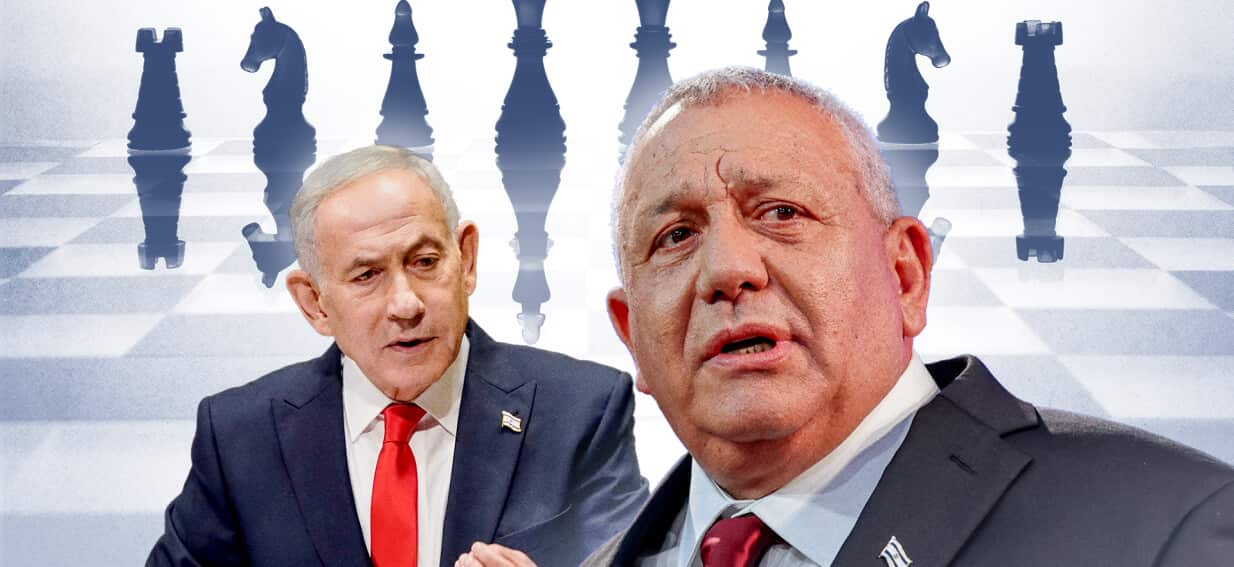
Initial exit polls painted a grim picture for Benjamin Netanyahu. Early projections pointed toward a brutal rejection, prompting panicked briefings and what Donald Trump bluntly called "horror reports" coming straight out of Jerusalem. But Israeli politics rarely follows a straight line. As raw votes trickled in and the dust settled on a fiercely contested parliamentary showdown, the narrative flipped entirely.
Trump wasted no time claiming credit for the sudden reversal, telling reporters that his late-game endorsement turned the tide for the embattled Israeli prime minister. Whether that boast holds weight or if it's just standard political theater, the reality on the ground is far more complex than a simple social media shoutout. Israel is staring down another massive political stalemate, and Netanyahu's political survival remains tightly bound to a knife-edge math problem in the Knesset.
The Reality Behind the Numbers
With a substantial portion of ballots counted, the pro-Netanyahu bloc sits ahead in the projection battle, yet it still falls short of the magical 61-seat threshold required to govern alone. Across the aisle, the opposition alliance led by Gadi Eisenkot refuses to concede momentum, while Arab parties have punched above their weight class by securing a historic 19 seats.
This isn't a landslide victory by any stretch of the imagination. It’s a messy, bruising electoral brawl. The outcome hinges heavily on roughly half a million uncounted ballots—votes cast by soldiers, diplomats, and prisoners that historically take days to process. These lingering votes can shift individual seat allocations inside the major blocs, leaving both sides sweating out every single envelope.
Why Trump Sees a Win
Trump’s upbeat assessment that Netanyahu is now in "pretty good shape" stems from the sheer contrast between exit poll panic and actual ballot performance. When early television screens flashed numbers suggesting a definitive wipeout for Likud, political insiders wrote Netanyahu off.
Instead, the veteran leader outperformed expectations once again, proving his uncanny ability to mobilize his base when cornered. Trump noted that top figures in Israel told him the performance looked less like a defeat and more like a competitive stalemate or an outright comeback. In the high-stakes game of Middle Eastern survival, simply staying in the fight counts as a victory.
The Hard Road to Coalition Math
Getting the most votes doesn't mean much if you can't build a functioning government. Israel's parliamentary system means Netanyahu faces weeks of grueling backroom negotiations.
- The pro-Netanyahu bloc hovers around the low-to-mid 50s in seat projections.
- The opposition bloc sits close behind.
- Arab parties hold a powerful block of 19 seats, complicating traditional alliance-building.
If neither side can scrape together a 61-seat majority, Israel faces the exhausting prospect of prolonged caretaker governance or, worse for weary voters, yet another round of elections. President Isaac Herzog will soon step in to assign mandates, but the underlying parliamentary fragmentation means stability is still miles away. Netanyahu avoided a knockout blow, but the championship match is far from over.