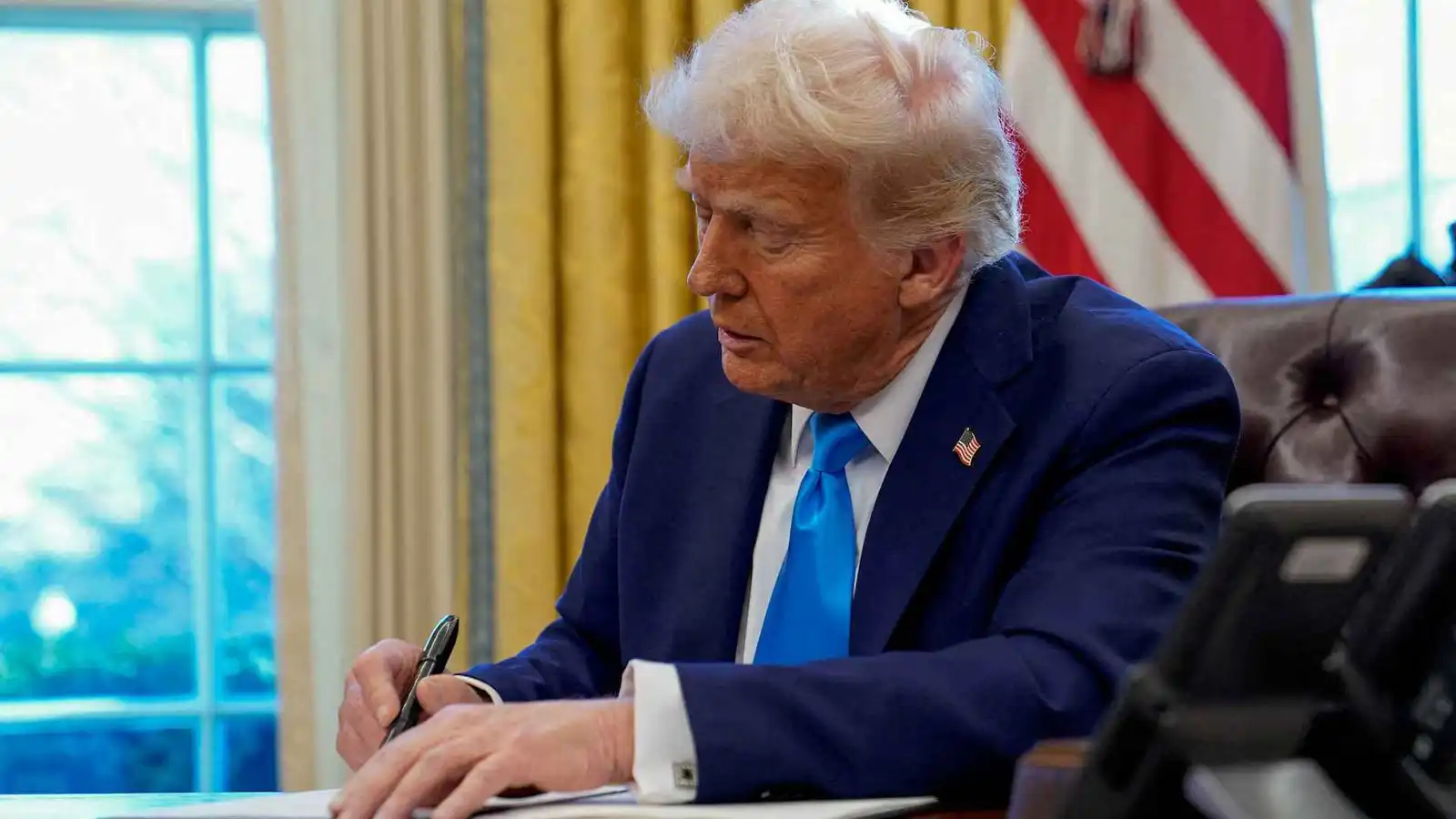
Donald Trump just wrapped up two days of high-stakes meetings with his national security team. The topic on the table wasn't hypothetical. The administration is actively debating whether to launch a fresh wave of military strikes against Iran, and Trump explicitly told reporters in the Oval Office that a decision is coming soon.
If you've been following the political noise over the last few months, this shift might feel sudden. Right after the US midterm elections, the public messaging out of Washington was all about restraint and winding things down. Trump himself insisted the US had already "won" the conflict, bragging that Iranian radar, naval assets, and air force capabilities were effectively dismantled.
So why are we suddenly back on the brink of major combat operations?
The answer comes down to operational timing, shifting diplomatic lines, and a stark divide within the administration itself.
What Happened Inside the Oval Office Meetings
The White House discussions took place over Wednesday and Thursday, bringing together top defense officials and intelligence chiefs. According to reporting from senior officials, U.S. Central Command (CENTCOM) has already finalized target packages and operational plans. Military commanders are essentially waiting on a direct directive from the President.
┌────────────────────────────────────────────────────────┐
│               WHITE HOUSE STRATEGY MATRIX              │
├──────────────────────────┬─────────────────────────────┤
│ Military Readiness       │ Operational Planning Ready  │
│ Tactical Window          │ November 9 (New Moon Phase) │
│ Political Pressure       │ Post-Midterm Shift          │
│ Regional Diplomacy       │ Gulf States Caution Caution │
└──────────────────────────┴─────────────────────────────┤
Military planners highlighted a very specific tactical window. November 9 marks a new moon in the Middle East. That dark sky window gives night-vision operations and stealth air tactics a distinct advantage over regional air defense systems.
Trump didn't hide the tension when speaking to reporters on Thursday. He noted that while he would "rather not destroy the rest of the country," he might have to if negotiations fail to produce results.
That is classic leverage tactics, but the regional reality is far more complex than just tough rhetoric.
The Three Factors Driving the Escalation
Washington isn't operating in a vacuum. Three distinct pressures are pushing the US toward renewed military action:
- Broken Diplomatic Channels: Iran's leadership has laid out a strict seven-point demand list before engaging in formal peace negotiations. Tehran insists the US meet these conditions while demanding an immediate end to joint US-Israeli strikes. Washington considers those terms non-starters.
- Strait of Hormuz Security: Despite claims that U.S. forces completely control the region, maritime skirmishes haven't stopped. The Iranian Revolutionary Guard Navy reported that two tankers recently hit mines while attempting to navigate unauthorized routes near the strait, showing just how fragile commercial shipping remains.
- Internal White House Friction: The post-midterm environment has exposed real debate inside Washington. Key cabinet members, including Vice President JD Vance, have openly advocated for ending the conflict to refocus on domestic priorities and review foreign security assistance.
Trump is trying to walk a tightrope between showing decisive strength and avoiding a prolonged regional conflict that costs political capital.
                 ┌───────────────────────────┐
                 │ White House Decision Point│
                 └─────────────┬─────────────┘
                               │
               ┌───────────────┴───────────────┐
               ▼                               ▼
    ┌────────────────────┐          ┌────────────────────┐
    │ Diplomatic Track   │          │ Military Strike    │
    │  - 7-Point Demands │          │  - New Moon Window │
    │  - Gulf Mediation  │          │  - CENTCOM Ready   │
    └────────────────────┘          └────────────────────┘
How Regional Allies Are Reacting
The geopolitical ripples are spreading fast across the region. Neighboring nations aren't eager to see a full-blown military campaign break out in their backyard.
- Iraq's Stance: Prime Minister Ali Faleh Al-Zaidi warned Washington directly against using Iraqi airspace or territory as a staging ground for launches.
- Gulf State Mediation: Qatar's Emir Sheikh Tamim bin Hamad Al Thani spoke with Trump directly on Friday, pushing hard for diplomatic avenues to defuse tensions before strikes occur.
- Iran's Warning: Tehran's military leadership warned U.S. targets across the region would face immediate counter strikes if Washington resumes offensive operations.
The economic stakes are massive. Energy markets are watching every movement out of the Persian Gulf. Any sustained interruption near key shipping bottlenecks will trigger immediate spikes in global crude prices, impacting global supply chains instantly.
What to Watch Next
The decision point is approaching fast. If you're watching how this unfolds over the coming days, pay close attention to these key indicators:
- Official CENTCOM Orders: Watch for troop re-positioning or naval deployments heading toward the Persian Gulf.
- Diplomatic Signals out of Doha or Muscat: If third-party talks break down entirely, military action becomes the default path.
- Energy Market Indicators: Crude oil futures usually price in military escalations 24 to 48 hours before major strikes begin.
The window for a diplomatic off-ramp is closing rapidly. Keep a close eye on White House press briefings and regional ship tracking data through the weekend.