When public money gets mixed up with personal self-promotion, watch out. Donald Trump just announced that his political action committee, MAGA, Inc., will foot the bill for pro-Trump advertisements following a massive bipartisan outcry over the use of federal tax dollars. It sounds like a quick fix. It isn't.
If you've watched American politics long enough, you know how these cycles work. A controversial policy rolls out, public pressure mounts, watchdogs start asking uncomfortable questions, and a sudden about-face follows. But shifting the funding source from the Treasury to a multi-million-dollar war chest doesn't erase the underlying questions about how government resources are utilized right before an election. You might also find this related coverage insightful: Why The Un Push For A Permanent Gaza Ceasefire Changes Little On The Ground.
Let's look at what actually happened and why this political maneuver leaves major unresolved questions.
The Backlash That Triggered the Shift
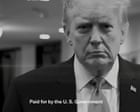
The controversy started when television screens began filling with spots praising Trump's record. We aren't talking about standard public service announcements about public health or safety. These commercials featured clips of Trump discussing tax cuts, manufacturing, and law enforcement, capped off with a title card reading, "Paid for by the US government." As reported in recent articles by Associated Press, the results are worth noting.
Tracking firms like AdImpact calculated that these taxpayer-funded spots cost at least $1.4 million to $1.5 million by late September. Lawmakers across the aisle balked. Congressional Democrats wasted no time writing to federal watchdogs, including the Government Accountability Office and the Office of Special Counsel, demanding an immediate investigation into what they termed desperate pre-election propaganda.
Legal experts pointed out potential violations of federal statutes. Specifically, laws prohibit congressionally appropriated funds from being funneled into publicity or propaganda campaigns that benefit a specific individual or party. Government employees also face strict limits on partisan political activities. Using federal agencies to pump out campaign-style videos crossed a line that even some Republicans found difficult to defend.
Facing mounting scrutiny and bipartisan grumbling, Trump took to social media to announce a change of course. He stated that future spots would be funded by money raised for MAGA, Inc., his powerful political action committee boasting hundreds of millions in reserves.
The Mechanics of MAGA, Inc. and Campaign Finance
MAGA, Inc. isn't short on cash. By mid-summer, the super PAC had amassed more than $400 million. Trump has already begun deploying those funds to support favored Republican candidates heading into the midterm elections.
On paper, using a super PAC to pay for political messaging solves the legal headache of misusing federal appropriations. Super PACs exist precisely to run independent expenditures and advertising campaigns. Donors give large sums, and the PAC spends it on political speech.
Yet, Trump's announcement left glaring gaps. He offered zero details on how taxpayers would be reimbursed for the spots that already aired. He also failed to explain how anyone could verify that his political organization is actually picking up the tab for ongoing spots, or how federal accountants would separate state-funded infrastructure from political messaging moving forward.
Critics immediately seized on the ambiguity. Senator Adam Schiff publicly demanded proof that the taxpayer-funded spending had permanently ceased and that funds would be paid back, noting that nobody wants taxpayers stuck holding the bill for political contractors.
Why This Fight Matters Beyond the Midterms
This episode highlights a persistent gray area in modern governance. When does official communication cross the boundary into campaign advertising?
Every administration uses executive power to highlight its legislative wins. Presidents cut ribbons, hold press conferences, and release summaries of their economic achievements. But pumping millions of federal dollars into broadcast commercials that mirror past campaign spots tests the absolute limits of executive authority.
When the White House initially defended the ads, officials called them standard promotion. Once the political cost outweighed the benefit, the narrative shifted instantly to super PAC financing. That pivot reveals how easily political actors treat ethical guardrails as flexible guidelines rather than hard rules.
If you are tracking campaign finance and executive accountability, keep your eyes on the follow-through. Announcements on social media make for good headlines, but transparency requires verifiable audits and clear accounting. Until receipts prove that public funds were fully refunded and separated from campaign efforts, the outcry won't fade away.