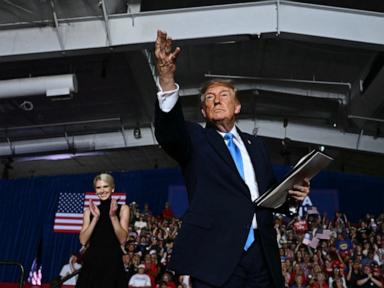
For years, Donald Trump demonized mail-in ballots as an open invitation to fraud. Now, with control of Congress hanging in the balance, he's telling Republicans to use them anyway.
If you've followed American politics over the last few election cycles, this shift gives you serious whiplash. Trump spent countless hours telling his base that voting by mail destroys election integrity. He claimed mail ballots are uniquely susceptible to tampering. But reality finally set in. Campaigns can't afford to leave millions of votes on the table just because of past rhetoric. Don't miss our earlier article on this related article.
The pivot arrived via a video message posted to Truth Social. Trump urged his supporters not to wait, telling them to vote early, vote by mail, or show up on November 3. When reporters questioned him later outside the White House, he didn't pretend he suddenly loved the practice. He basically admitted he felt forced into a corner.
"I'd rather have them vote in person, but they can vote by mail if they want because we seem to have no choice," Trump told reporters before boarding Marine One for a trip to Nebraska. To read more about the history here, Wikipedia provides an informative summary.
The Math Behind the U-Turn
Why the sudden change of heart? Simple math. Historically, Democrats dominate mail-in voting. MIT Election Data and Science Lab figures from recent cycles show roughly 37 percent of Democrats casting ballots by mail compared to just 24 percent of Republicans.
When you discourage your own voters from using an entire method of casting ballots, you hand your opponents a massive head start before Election Day even arrives. Early voting windows open weeks ahead of time. If Republican voters sit at home waiting for November 3 while Democrats rack up hundreds of thousands of mail-in ballots, conservative candidates face an uphill battle.
Trump acknowledged this dynamic, noting that many people simply prefer voting from home. Yet, he couldn't resist a parting shot at the system itself, claiming cheating still plagues mail-in voting.
The Legal Battles Leading Here
This rhetorical shift didn't happen in a vacuum. It follows months of fierce legal warfare over the administration's attempts to reshape or restrict mail-in voting.
Just last month, the U.S. Supreme Court handed the administration a defeat. The court rejected an effort to impose strict new limitations and block certain mail-in ballots through the U.S. Postal Service. That 7-2 ruling left existing state-level mail-in procedures largely untouched, removing the administration's ability to throw mail voting into chaos.
Faced with a Supreme Court block and slipping polling numbers, party strategists realized they had to adapt or lose ground. Telling voters to ignore mail options stopped making sense when the courts refused to ban them.
What This Means for the Midterms
If you are trying to figure out how this impacts upcoming congressional races, look at voter mobilization efforts on the ground. Local party chapters are scrambling to reverse years of messaging. They're telling constituents that banking votes early protects against bad weather, long lines, or unexpected life events on Election Day.
Trump's latest comments signal an urgent attempt to close the enthusiasm and convenience gap. Whether conservative voters will actually trust a system they were told to distrust for years remains an open question.
If you want to track your registration, request a ballot, or find out what rules apply in your local district, you should check out official resources like USA.gov Voting and Elections or your state's official voter portal. Don't rely on social media rumors or political speeches for logistics. Check the official rules directly before making your plan.