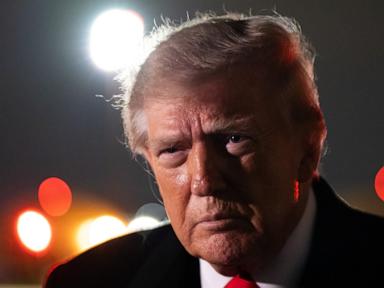
When Donald Trump announced a sudden policy U-turn allowing millions of barrels of Russian diesel back onto global and domestic markets, fuel traders didn't know whether to laugh or panic. The U.S. Treasury quietly issued a general license lifting restrictions on Russian-origin diesel imports through April 2027. Trump wasted no time thanking Vladimir Putin publicly, sparking immediate fury in Kyiv and splitting Western allies down the middle.
Yet behind the dramatic geopolitical theater lies a much more mundane and stubborn economic reality. Can Russia actually meet these ambitious fuel demands, and will it meaningfully lower prices at the pump? The short answer is no.
The Scale Illusion
The numbers being tossed around in Washington sound massive on paper. Trump cited an immediate shipment of more than 300,000 metric tons, followed by 500,000 tons in November, another million shortly after, and potentially up to three million tons later depending on refinery output.
Those figures might look impressive in a press release, but they represent a drop in the bucket of global energy consumption. The initial 300,000-ton delivery amounts to roughly 2.25 million barrels. For context, the United States alone burns roughly 3.7 million barrels of diesel every single day. That initial headline-grabbing cargo covers less than a single day of total U.S. demand.
Even if Moscow somehow manages to deliver the full cumulative commitment of several million tons over the coming months, it translates to barely ten days of American consumption. If you expect this deal to trigger a dramatic, long-term collapse in fuel costs, you are looking at the wrong set of numbers.
The Real Bottleneck is Refinery Capacity
The global energy crunch isn't simply about a lack of crude oil sloshing around in tanks. The underlying crisis is a severe shortage of global refining capacity—the specialized facilities required to turn crude oil into usable fuels like diesel and jet fuel.
For the past year, that capacity has taken a historic beating. Ukrainian drone strikes on Russian domestic refineries have severely hobbled Moscow's own processing capabilities. Meanwhile, conflicts in the Middle East have choked shipping through vital maritime choke points like the Strait of Hormuz, while attacking regional infrastructure.
Global seaborne diesel and gasoil exports dropped significantly compared to previous years, and combined shipments from Russia and the Middle East plummeted by as much as 75% during summer months. When you lose that much active refining power, trading paperwork and issuing sanctions waivers cannot physically manufacture new fuel out of thin air. Russia's own domestic market has faced severe strains, prompting Moscow to institute strict export curbs earlier in the year just to keep its internal agricultural and transport sectors running.
Legal Quagmires and Compliance Headaches
Even if the physical barrels existed in abundance, getting them into the American market is a compliance nightmare.
The U.S. Treasury's Office of Foreign Assets Control issued General License 135 to clear specific transactions through April 2027. However, this temporary carve-out clashes directly with existing federal statutes. The Ending Importation of Russian Oil Act of 2022 placed a statutory ban on Russian petroleum products under the Harmonized Tariff Schedule, and lifting that ban permanently requires strict presidential certification, congressional consultation, and a mandatory 90-day review period.
Commercial reality is just as messy. International shipping companies, marine insurers, and major financial institutions operate in a world governed by strict risk management. Navigating a temporary sanctions exemption while avoiding secondary penalties under separate congressional acts creates immense friction. Many compliance officers will simply pass on these trades rather than risk running afoul of federal regulators for a few shiploads of fuel.
A Political Gamble With High Stakes
The White House is betting that a targeted, temporary supply shock can cool off domestic prices ahead of looming elections without completely dismantling the broader sanctions architecture against Moscow.
Critics argue the move achieves the exact opposite. Ukrainian leadership slammed the agreement as unfair, pointing out that Washington granted energy relief without securing reciprocal protections against attacks on civilian and energy infrastructure. European allies, meanwhile, are left scrambling as Washington pursues unilateral fixes that undermine a unified economic front.
If you're running a trucking fleet, a manufacturing plant, or simply watching your local fuel expenses creep upward, don't hold your breath for cheap Russian diesel to rescue your bottom line. The physical constraints are too severe, the legal hurdles too tangled, and the volume too small to fix a broken global refining network.
Stop waiting for political announcements to solve structural shortages. Diversify your energy contracts, optimize fuel efficiency now, and build contingency plans for a volatile energy market that will remain tight for the foreseeable future.