Donald Trump likes quick victories and clean exits. But Tehran has other plans.
If Washington decides to launch a fresh wave of military strikes following upcoming midterm elections, Iran's security establishment insists the resulting conflict won't wrap up in ten minutes. Instead, Iranian officials are warning that any renewed war will outlast previous rounds, dragging the US into a protracted regional quagmire that the White House won't control.
This high-stakes standoff is escalating fast. Here is what is actually happening behind the political posturing and why the next phase of US-Iran tensions could reshape Middle Eastern security for years.
The Hammer Threat and Tehran's Defiance
The rhetoric has reached a fever pitch. President Trump recently floated the prospect of using "the hammer" to deal with remaining targets, specifically pointing to underground infrastructure like the suspected complex at Pickaxe Mountain. According to the White House narrative, much of Iran's military and nuclear capability has already been neutralized by US and Israeli operations that began back in February.
Trump maintains that finishing off the remaining sites wouldn't take long.
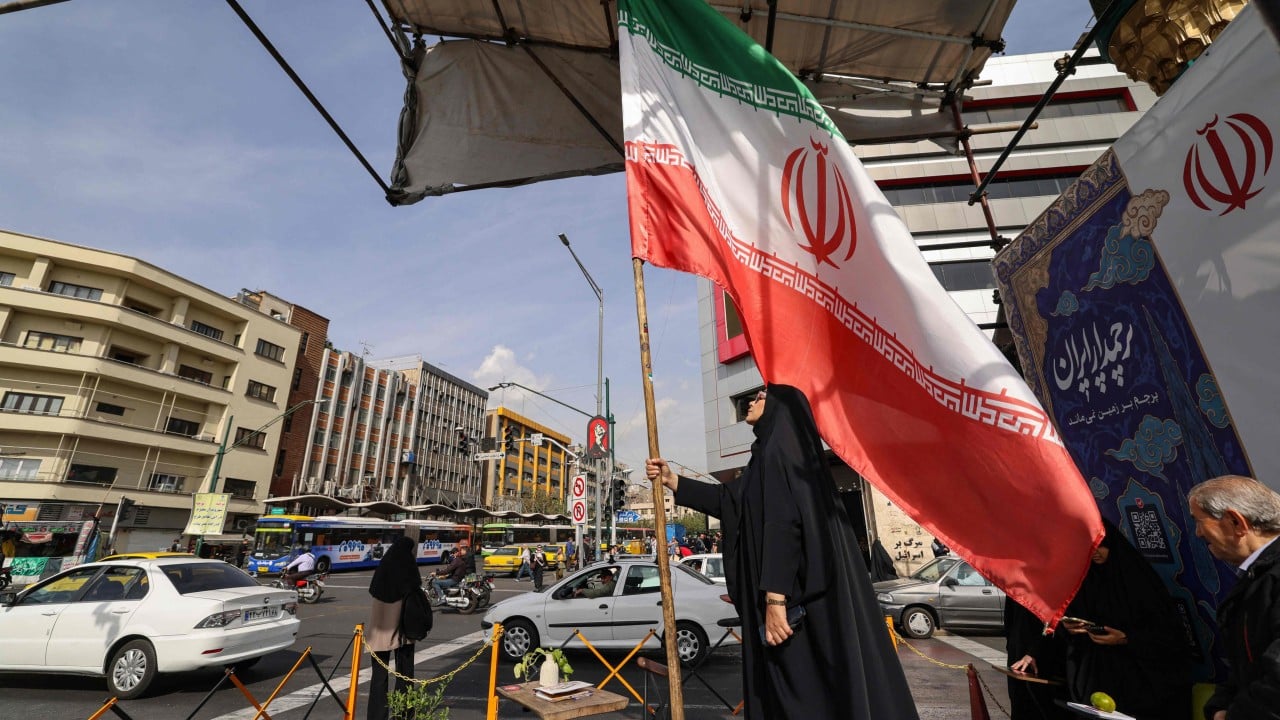
Tehran's response is blunt. Iranian army spokesperson Mohammad Akraminia stated clearly on state television that any future war would last longer than prior conflicts. Crucially, Tehran emphasized that the American president won't be setting the timeline or dictating how the hostilities conclude.
Meanwhile, Islamic Revolutionary Guard Corps (IRGC) officials note that directives from Supreme Leader Mojtaba Khamenei have initiated a new operational chapter. The IRGC is actively mapping new targets and expanding tactical planning across wider geographical parameters.
What Washington Gets Wrong About Iran's Endurance
Foreign policy hawks in Washington often assume that severe economic isolation and military setbacks will force Tehran into immediate capitulation. History suggests otherwise.
Decades of sanctions, sabotage, and direct confrontations have created a hardened security apparatus that doesn't operate on standard Western political cycles. Many citizens inside Iran view external military threats through a lens of generational conflict rather than immediate election-year politics. When survival has been the baseline for decades, threats of sudden air campaigns rarely trigger panic among leadership.
Furthermore, Iran's asymmetric strategy relies heavily on regional proxies and choke points. Since the war flared up earlier this year, Iran has attempted to project authority over vital energy transit routes like the Strait of Hormuz, complicating global shipping and forcing naval counter-blockades. A localized strike on a mountain bunker doesn't automatically switch off these decentralized capabilities.
The Diplomatic Tightrope and Regional Fallout
Despite the aggressive posturing, neither side has completely slammed the door on negotiations. US Secretary of State Marco Rubio noted openness to a diplomatic resolution if one is viable. Trump himself has acknowledged that talks have taken place, even while expressing deep skepticism about Tehran's reliability.
The problem is that diplomatic tracks are narrowing by the day. Incidents like the recent attack on a Qatari liquefied natural gas carrier in Gulf waters show how fragile regional stability has become. Energy markets remain hyper-sensitive to every threat issued from Washington or Tehran, and a miscalculation at sea could easily force an escalation neither government truly wants.
If Washington opts to drop the hammer after the midterms, it won't just be a quick cleanup job. It will test the limits of American endurance in a theater where simple exits rarely exist.