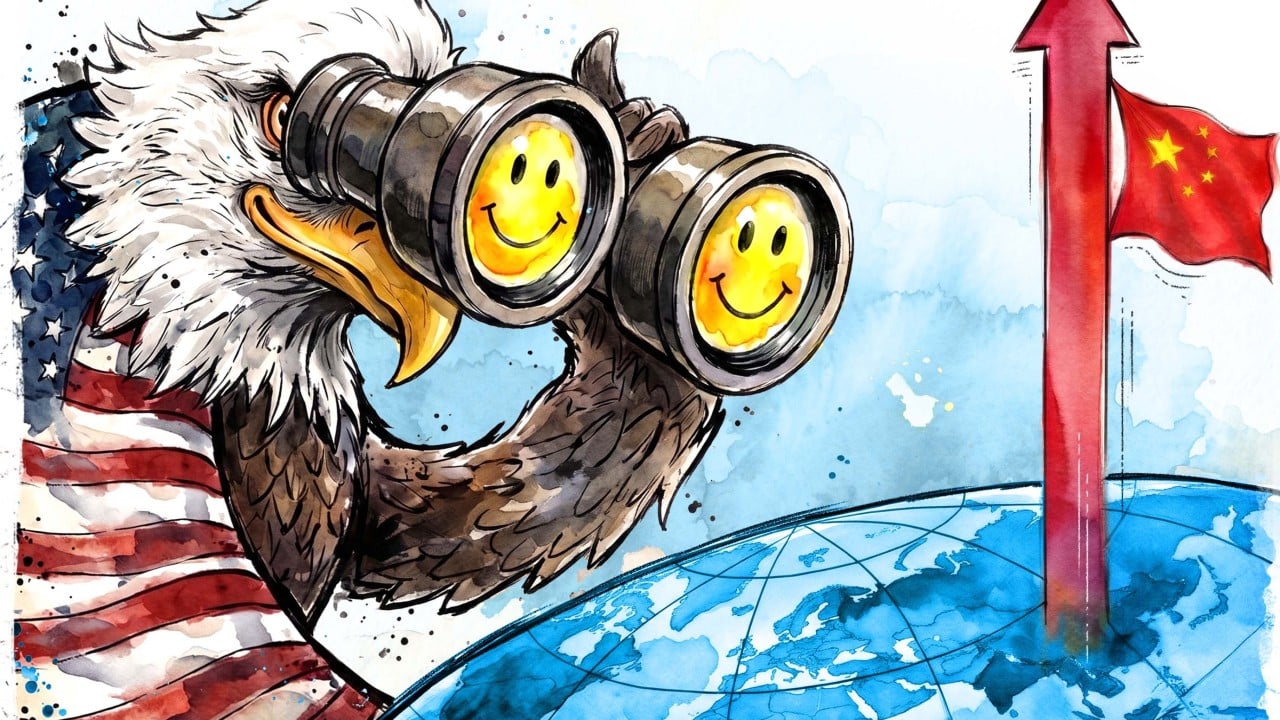
Western social media feeds are undergoing a bizarre cultural mutation. Instead of the usual doom-scrolling about domestic inflation and political gridlock, younger internet users are increasingly fixated on an unexpected trend: glorifying daily life, infrastructure, and urban efficiency in mainland China.
Call it "chinamaxxing" or whatever internet slang is trending this week, but the core phenomenon is real. It represents a grassroots disillusionment with the current trajectory of Western states, and ironically, unpredictable foreign policy actions from Washington are pouring gasoline on the fire. When political leaders treat international relations like a blunt-force trade brawl, they inadvertently create the exact cultural openings that Beijing has spent billions trying to manufacture.
The Backfire Effect of Hardball Geopolitics
For years, traditional state-directed public diplomacy struggled to win over skeptical Western audiences. Confucius Institutes faced political crackdowns, state media broadcasts were flagged as propaganda, and official messaging hit a wall of institutional distrust.
Then internet culture took the wheel.
When political figures ramp up aggressive rhetoric, tariffs, and systemic decoupling, it triggers an unintended counter-reaction among digitally native generations. Young people don't parse geopolitical strategies through white papers. They watch short-form video clips comparing pristine high-speed rail networks, ultra-modern skylines, and safe midnight streets in Asian megacities to crumbling urban infrastructure at home.
The strategy of containment relies on drawing stark boundaries. Yet, digital connectivity ignores those borders completely. Every time a high-profile political broadside targets international supply chains, it spotlights China's manufacturing might and technological footprint in ways that no marketing campaign ever could.
Why Disillusionment Drives the Trend
You have to look at the domestic mood in Western democracies to understand why this digital trend resonates. Trust in public institutions is near historic lows. Housing is unaffordable, urban centers face visible decline, and political polarization feels inescapable.
When a generation feels like their own society is stalling out, they naturally look for alternatives—even idealized ones online.
Content creators documenting everyday existence in mainland cities find a ready audience precisely because the imagery contradicts the one-dimensional narratives pushed by hawkish politicians. Whether it's automated delivery drones, cashless urban logistics, or viral consumer goods like Pop Mart’s Labubu collectibles breaking sales records globally, commercial and cultural appeal is bypassing traditional diplomatic channels entirely.
Beijing doesn't even need to orchestrate this. Organic curiosity does the heavy lifting. When foreign travelers and independent vloggers post unscripted footage of quiet midnight walks or efficient public transit, it builds a brand of everyday competence that government white papers can't replicate.
The Limits of Accidental Influence
Before assuming a complete ideological victory for Beijing, take a step back. Digital fascination does not automatically translate into deep political allegiance.
Internet trends are fickle. Today's viral obsession with high-tech urbanism can easily morph into tomorrow's backlash if economic pressures shift or if regulatory crackdowns in media create friction. Furthermore, state censorship and restrictions on information flow remain massive structural hurdles for anyone trying to build genuine, long-term trust across cultural divides.
Soft power requires credibility, transparency, and two-way empathy. A viral video showing a sleek subway station or a trendy lifestyle influencer doesn't erase hard security concerns, territorial disputes, or deep-seated anxieties about authoritarian governance. Western audiences might admire efficiency, but admiration for a system's output is very different from wanting to adopt its political framework.
Navigating the New Narrative Reality
Governments in Washington and Brussels are waking up to the reality that traditional containment playbooks are leaking. You cannot firewall a population against compelling visual evidence of functional infrastructure when citizens can view it instantly on their phones.
If Western policymakers want to counter this shift, doubling down on defensive rhetoric or restriction-heavy narratives is bound to fail. Outright bans and heavy-handed internet policies usually backfire by drawing even more curious eyes to the forbidden content. The only sustainable answer is fixing domestic structural decay—rebuilding infrastructure, addressing housing crises, and proving that democratic systems can still deliver tangible results for everyday people.
Until then, internet trends will keep rewarding whatever looks functional, shiny, and fast. If Western capitals keep dropping the ball on domestic delivery, no amount of geopolitical posturing will stop the digital fascination with the other side of the world.


