Donald Trump likes making bold predictions. His latest claim involves the ongoing conflict with Iran wrapping up in record time, accompanied by a sharp drop at the fuel pump for everyday drivers.
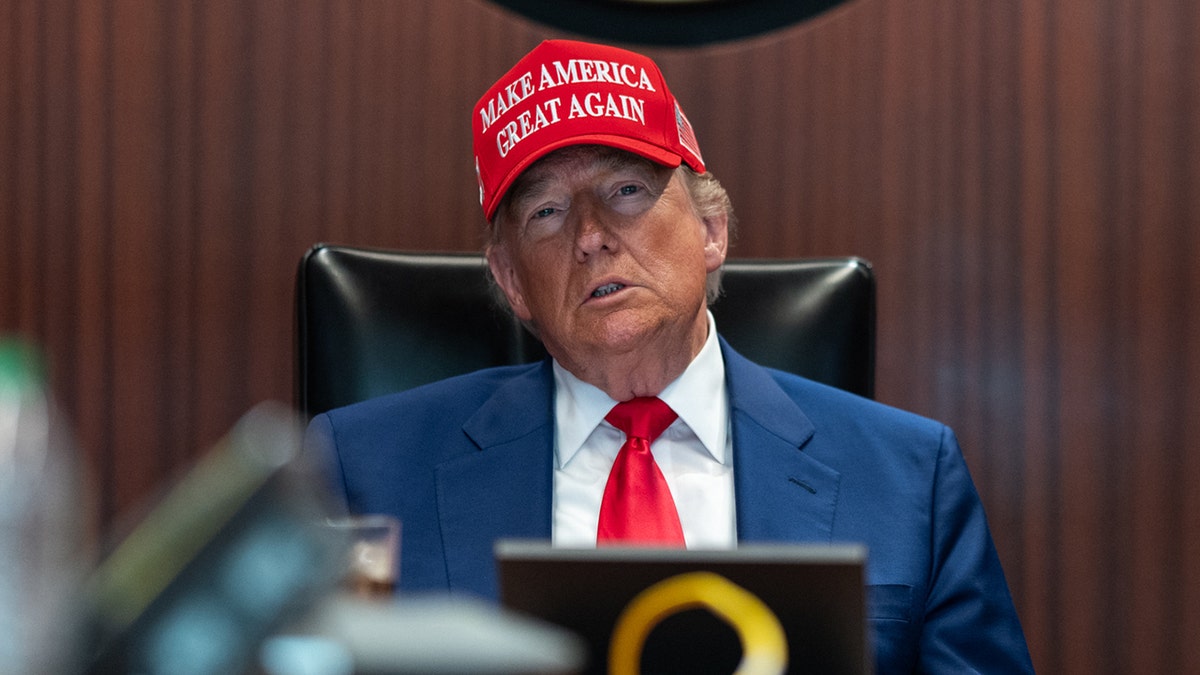
Speaking at a campaign rally in Kentucky, the US President didn't mince words about the trajectory of the Middle East conflict. He pointed directly to past military strikes on Tehran's nuclear infrastructure, arguing that those operations crippled Iran's long-term capabilities while setting the stage for a rapid resolution.
The Gas Price Connection
Why tie foreign military engagements to domestic energy costs? Voters care deeply about what they pay to fill up their tanks. Trump insisted that once hostilities conclude, American consumers will see fuel prices drop lower than pre-conflict levels.
Energy markets react instantly to geopolitical instability in the Middle East. Any threat to oil supply routes like the Strait of Hormuz sends futures skyrocketing. By predicting a quick finish, the administration is betting that market anxiety will dissipate, bringing immediate relief to drivers facing stubborn inflation.
Looking Back at the Strikes
The rationale behind the military actions remains a central talking point for the administration. Trump defended the targeted air operations against Iranian nuclear sites as a necessary preventative measure.
"They cannot have a nuclear weapon; they can't, because they'll use it," Trump told the rally crowd, defending the strategic gamble against critics questioning the short-term fallout.
From Washington's perspective, neutralizing uranium enrichment facilities justified the risk of escalation. Critics, however, argue that military strikes often trigger cyclical retaliation rather than permanent stability.
Tehran's Counter-Narrative
Iran's leadership views the situation through a sharply different lens. Iranian officials have maintained that Washington and Tel Aviv violated previous diplomatic frameworks, such as the Islamabad memorandum of understanding signed earlier in the year.
Tehran's representatives have stressed that achieving genuine regional stability requires a complete halt to ongoing military actions across Lebanon and the broader Levant. Iranian state statements also emphasize that domestic air defenses and deterrent capabilities weathered the initial strikes, leaving the country prepared to defend its sovereignty while remaining open to International Atomic Energy Agency oversight.
What Happens Next
Predicting the end of a complex geopolitical conflict is always risky business. Wars rarely follow political timelines, no matter how confident the rhetoric sounds from a campaign stage.
If energy markets begin pricing in a de-escalation, drivers might see relief sooner rather than later. But if fighting drags on or supply disruptions persist in key shipping lanes, those promises of cheap gas will face a reality check. Keep a close eye on regional diplomatic channels and crude oil inventories over the coming weeks to separate political messaging from market reality.