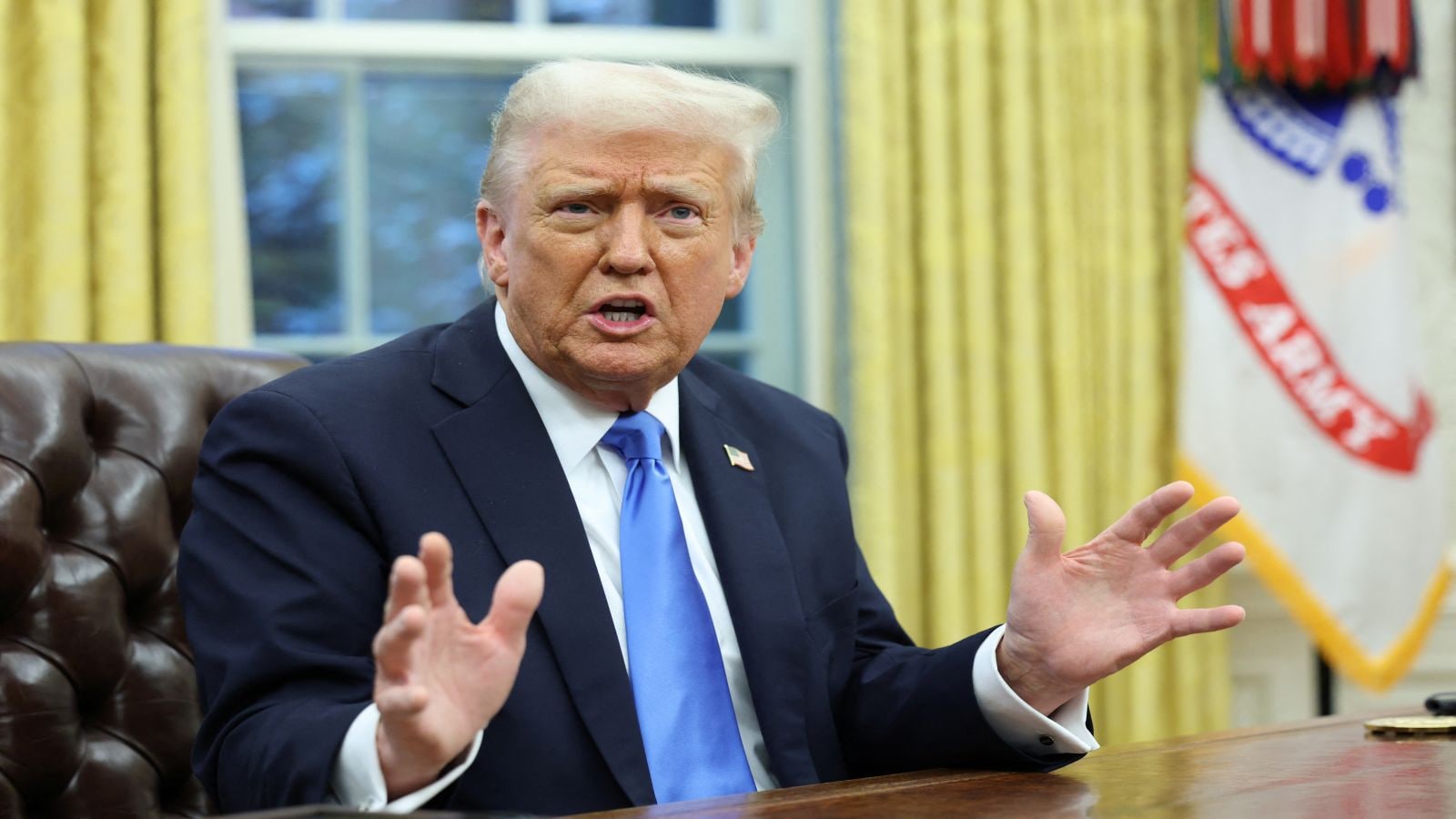
The physical grind of the campaign trail finally caught up with the strategy, or at least changed the math. President Donald Trump just pulled the plug on his final high-profile weekend in-person campaign stops in Kansas and Iowa, ditching the tarmac arrivals for a barrage of virtual phone calls.
Instead of flying out to Salina or Dubuque, the White House machine is pivoting hard toward a structured blitz of tele-rallies spanning dozens of states. If you look past the standard political spin about efficiency, this last-minute pivot tells you everything you need to know about how campaigns actually close out tight races when exhaustion and shifting polls collide.
The Reality Behind the Sudden Schedule Shift
For four straight weeks, Trump's calendar looked like an absolute endurance test. He bounced across nineteen states, holding roughly twenty-five massive rallies designed to prop up Republican incumbents and keep the House and Senate under red control. But political physics changes dramatically in the final seventy-two hours before an election.
When reporters on the tarmac asked point-blank about his health and the sudden cancellations, Trump brushed off the speculation with characteristic defiance, insisting he felt completely fine. Yet, his reasoning for skipping Kansas—bluntly stating he didn't feel he had to go there because Senator Roger Marshall's race was already locked down—reveals a calculated triage. When you're managing a nationwide map, spending hours flying to a safe or safely leaning district right before election day is a poor allocation of precious energy.
Trading Arenas for Audio Waves
The Republican National Committee and allied groups like MAGA Inc. didn't just cancel the events and go home. They replaced them with a massive remote footprint, scheduling more than twenty tele-rallies targeting critical battleground regions.
Let's be honest about what a tele-rally actually is. It lacks the visual punch of a packed arena, the roar of a crowd, and the viral media clips that define modern political theatre. However, phone-banking audio broadcasts allow a campaign to hit multiple states simultaneously without burning hours on Air Force One. It is a pure, unadulterated mobilization tool. Instead of one speech in a gymnasium, the campaign can beam a pre-recorded or live audio pitch directly to hundreds of thousands of landlines and mobile devices in competitive districts where every single vote decides the majority.
What This Means for the Midterms
We are staring down a razor-thin congressional map. With the Senate sitting on a knife-edge and every House seat up for grabs, national figures have to make cold-blooded choices about where their physical presence moves the needle.
Kansas and Iowa might have lost their weekend visitor, but the underlying anxiety in these races is palpable. Even in traditionally red territory, unexpected polling tightness forces national parties to throw resources at places they thought they had secured months ago. By shifting to a remote strategy, the campaign is betting that a concentrated audio push can secure the base without requiring the physical candidate to show up in person.
The tents are coming down in the Midwest, but the phone lines are staying jammed. Tuesday night will show whether trading the arena stage for a telephone receiver was a stroke of logistical genius or a missed opportunity.