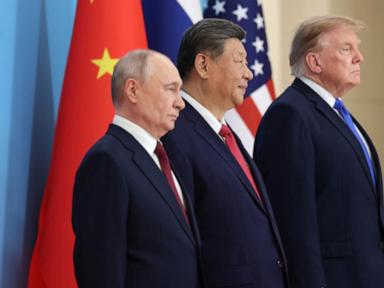
"Who is he? He's my friend." That single line, caught on camera in Shenzhen on November 19, 2026, says almost everything you need to know about how Donald Trump approaches high-stakes diplomacy. Standing on the sidelines of the APEC summit before a historic three-way meeting with Vladimir Putin and Xi Jinping, Trump didn't treat the moment like a cold war standoff. He treated it like a room full of guys he already knew.
If you're looking for what actually happened behind the viral clip, the short answer is straightforward. Trump met separately with Putin and Xi in Shenzhen, called both of them friends, and then sat down with them for the first trilateral summit among the leaders of the United States, Russia, and China. Yet the reaction to that friendly shorthand tells a much bigger story. Allies got nervous, critics saw a power play that sidelined smaller nations, and the resulting four-point joint statement left major conflicts untouched.
Anyone who has watched foreign policy closely for years knows that words like "friend" rarely mean the same thing in geopolitics as they do at a neighborhood barbecue. When a U.S. president uses casual personal warmth with leaders who preside over rival power centers, allies don't just hear politeness. They hear a signal about priorities, leverage, and who gets a seat at the table.
What Happened When Trump Called Putin and Xi Friends
The viral moment happened around Trump's bilateral and trilateral meetings in Shenzhen during the 2026 APEC leaders' gathering. Video showed Trump spotting Putin, asking, "Who is he? He's my friend," shaking his hand, and saying it was nice to see him ahead of talks that lasted roughly 40 minutes—their first face-to-face meeting in 15 months since their August 2025 talks in Alaska. Trump also referred to Xi as a friend as he met both leaders separately before the three-way session.
To Trump, framing rivals as friends isn't new. He has long argued that personal rapport opens doors that stiff diplomatic scripts keep shut. In Shenzhen, he told reporters he and Putin had known each other for years and suggested good things could come out of their talks, later calling it an honor to be with him. With Xi, who had personally greeted Trump on the tarmac in Shenzhen after Trump's September visit to the United States, Trump emphasized working together to end Russia's war in Ukraine and shared concern about oil moving through the Strait of Hormuz amid disruptions tied to the war involving Iran.
Honestly, if you only watch a 15-second clip, it's easy to miss the contrast between the warm greeting and the hard business sitting right behind it. A friendly handshake doesn't erase territorial disputes, sanctions battles, or nuclear rivalries. It just changes the tone in the room.
Why Allies Are Nervous About Friendly Diplomacy
Former NATO ambassador Doug Lute captured the core anxiety across allied capitals when he warned that Trump calling Putin and Xi friends is concerning for America's allies. When you spend decades building collective security around shared rules and mutual defense, hearing the leader of the alliance talk warmly about figures who challenge those exact norms hits a nerve.
Let's be real about a common mistake people make when reading headlines like this. Some folks assume a friendly greeting means a secret treaty is already signed. Usually, it doesn't. Other people swing the opposite way and claim the greeting means nothing at all. Both reactions miss how diplomacy actually works. Tone shapes expectations, and expectations shape how allies plan their own defense and trade moves.
When allies hear friendly language toward Moscow and Beijing right around a three-way summit, a few practical worries pop up immediately:
- Fear of being talked around: European leaders and partners in the Indo-Pacific worry that big-power deals could be discussed without the countries most directly affected in the room.
- Mixed signals on deterrence: Warm rhetoric can blur the line between negotiating with a rival and validating their actions, especially when Russian state media casts Putin as leaving talks in high spirits.
- Uncertainty over follow-through: Allies want to know whether personal chemistry translates into concrete security guarantees or leaves partners guessing where Washington stands.
At the same time, there is a legitimate counterargument worth taking seriously. Supporters of a more transactional, leader-to-leader style argue that rigid hostility hasn't solved crises in Eastern Europe, the Middle East, or East Asia. From that angle, talking directly to the people holding the levers of power—even politely—is a pragmatic way to test whether any compromise is possible. Whether that approach works in practice is fiercely debated, and the Shenzhen talks gave both sides plenty of ammunition.
The Ukraine and Strait of Hormuz Tension
One of the sharpest takeaways from the Shenzhen coverage is how differently the participants talked about active conflicts. Trump said he told Xi the two should work together to end Russia's war in Ukraine and raised the issue with Putin, while also pointing to shared interest in keeping oil flowing through the Strait of Hormuz amid the Iran war. Putin, meanwhile, spoke to reporters afterward about recalling where the conflict in Ukraine started and pointed to historical parallels like the 1945 Yalta Conference.
Comparing the meeting to Yalta immediately makes historians and diplomats uneasy. Yalta is remembered by critics as a moment when great powers carved out spheres of influence. Even when leaders aren't literally drawing borders on a map, the mere mention of that history tells smaller states to pay close attention.
Inside the Shenzhen Trilateral Summit and Its Four-Point Statement
The centerpiece of the trip was the first-ever trilateral meeting among Trump, Xi, and Putin on the sidelines of APEC—a session that lasted roughly 60 to 90 minutes depending on the report. Trump opened by saying they were making history and that the three were uniquely positioned to tackle tough global problems, including reducing nuclear arsenals. Xi framed major-power harmony as essential to avoiding global turmoil and called positive interaction a must.
If you look closely at the four-point declaration issued after the meeting, what's missing is just as revealing as what's inside:
- Nuclear war warning: The statement reaffirmed that a nuclear war cannot be won and must never be fought, pledging dialogue to reduce nuclear risks and prevent proliferation—language echoing earlier joint statements by the five permanent UN Security Council members rather than launching a brand-new arms control framework.
- No mention of Ukraine or Iran: Despite intense fighting in Ukraine and disruption around the Strait of Hormuz linked to the Iran war, the declaration didn't name either conflict.
- State immunity language: It called for respect for immunities of state officials from bodies like the International Criminal Court, a notable point given Putin's ICC arrest warrant over the abduction of Ukrainian children.
- UN reform commitment: The three leaders stated a commitment to reforming the United Nations.
Experts weighing in for outlets like the Council on Foreign Relations and analysts at the Atlantic Council noted that short-notice summits often prioritize optics and precedent over sweeping breakthroughs. That matches what happened on the ground. A three-way photo op and a broad statement on nuclear restraint are real diplomatic events, yet they aren't the same thing as a peace deal or a binding treaty.
Why "Friends" Doesn't Mean Alignment
In everyday life, if you call someone your friend, you usually share trust and mutual support. In international politics, calling someone a friend often signals familiarity, negotiation leverage, or a desire to keep a channel open. Trump can call Putin and Xi friends in the hallway and still clash with Beijing over export controls and Taiwan or press Moscow over Ukraine.
That gap between casual phrasing and structural rivalry is why readers get tripped up. You don't have to take the word "friend" literally to see why it matters. It shows how Trump wants to be seen: as a dealmaker who can sit across from anyone and talk man-to-man. Whether Putin or Xi sees it the same way—or simply pockets the goodwill while pursuing their own strategic goals—is a separate question.
Practical Next Steps When Reading Summit Headlines
Fast-moving summits generate dozens of clips, hot takes, and competing readouts within hours. If you want to cut through the noise and actually understand what shifted after Trump called Putin and Xi friends, use a simple filter:
- Separate greetings from agreements: Treat handshake clips and remarks about friendship as mood music, and check the actual joint statement or policy moves for substance.
- Compare multiple readouts: Read reporting from independent outlets alongside statements from Washington, Beijing, and Moscow so you can spot where accounts align and where each side spins the outcome.
- Watch what allies do next: Pay attention to responses from NATO partners, Ukraine, and Indo-Pacific neighbors over the coming weeks—their reactions show whether confidence held steady or frayed.
- Track concrete follow-ups: Look for tangible next steps rather than vague promises—whether that's arms control talks, energy shipping security, or diplomatic appearances like the upcoming G20.
Good foreign policy analysis isn't about guessing what's in a leader's heart. It's about watching what happens after the cameras stop rolling.