Foreign policy moves rarely happen in a vacuum. When Washington announces a sudden military halt while simultaneously boasting about being locked and loaded at World War II levels, you shouldn't take it at face value. President Donald Trump recently claimed he called off a massive wave of strikes against Iranian energy infrastructure because regional nations and Tehran supposedly begged for a deal to reopen the Strait of Hormuz. Iran's leadership dismissed the entire narrative as worn-out psychological warfare designed to manipulate global oil markets.
If you watch how modern geopolitical brinkmanship works, you realize that pauses are rarely gifts of peace. They are tactical maneuvers.
The Reality Behind the Last-Minute Cancellation
Look at the sequence of events. Over the past few months, the conflict between the United States, Israel, and Iran has swung violently between direct military exchanges and fragile, short-lived truces. American bases in Jordan and the wider region faced ballistic missile threats, prompting fierce retaliatory air campaigns. Washington threatened to hit Iranian refineries and power grids very hard to break Tehran's chokehold on the vital Strait of Hormuz.
Then came the sudden reversal. Trump took to social media to announce that attacks were cancelled because the perimeters of a sweeping deal had been agreed upon.
Tehran's response was ice-cold. Iranian officials flatly rejected the claim that they asked for a halt, calling the public statements a complete fabrication meant to influence market sentiment before Monday morning trading.
Why Both Sides Rely on Perception Management
In high-stakes conflicts, communication is weapons-grade. Washington wants to project strength while keeping energy prices stable, avoiding the economic shockwaves that come with prolonged refinery bombings. Stopping and starting military clocks allows the White House to control the news cycle, pressure international shipping routes, and shift blame onto Tehran for any failure to negotiate.
On the other side, Iran treats American threats as psychological operations meant to sow domestic panic. Tehran's military leadership knows that keeping control of the Strait of Hormuz is their primary source of leverage. By publicly calling out US announcements as manipulation, Iran signals to its domestic base and regional allies that it refuses to fold under pressure.
What Actually Happens Next
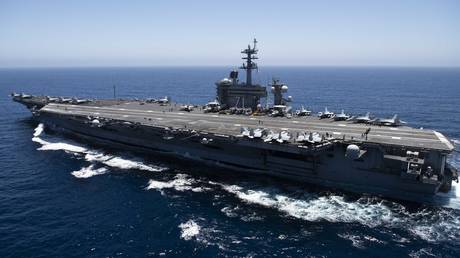
Don't expect a sudden, lasting peace just because a social media post claims a deal's parameters are set. Military assets don't vanish overnight. US naval forces and rapid-response marine units remain heavily positioned across the region, ensuring that offensive capabilities stay ready if talks collapse.
When leaders talk about deals while moving aircraft carriers, the diplomacy is usually a cover for tactical repositioning. Keep an eye on actual transit volumes through the Gulf rather than political declarations. The real story isn't what leaders say they are canceling; it's how long they keep their weapons loaded while the cameras are rolling.