The rules of visiting, studying, and working in America just shifted permanently. If you think a U.S. visa is a guaranteed ticket for its full duration, you're missing the reality on the ground right now.
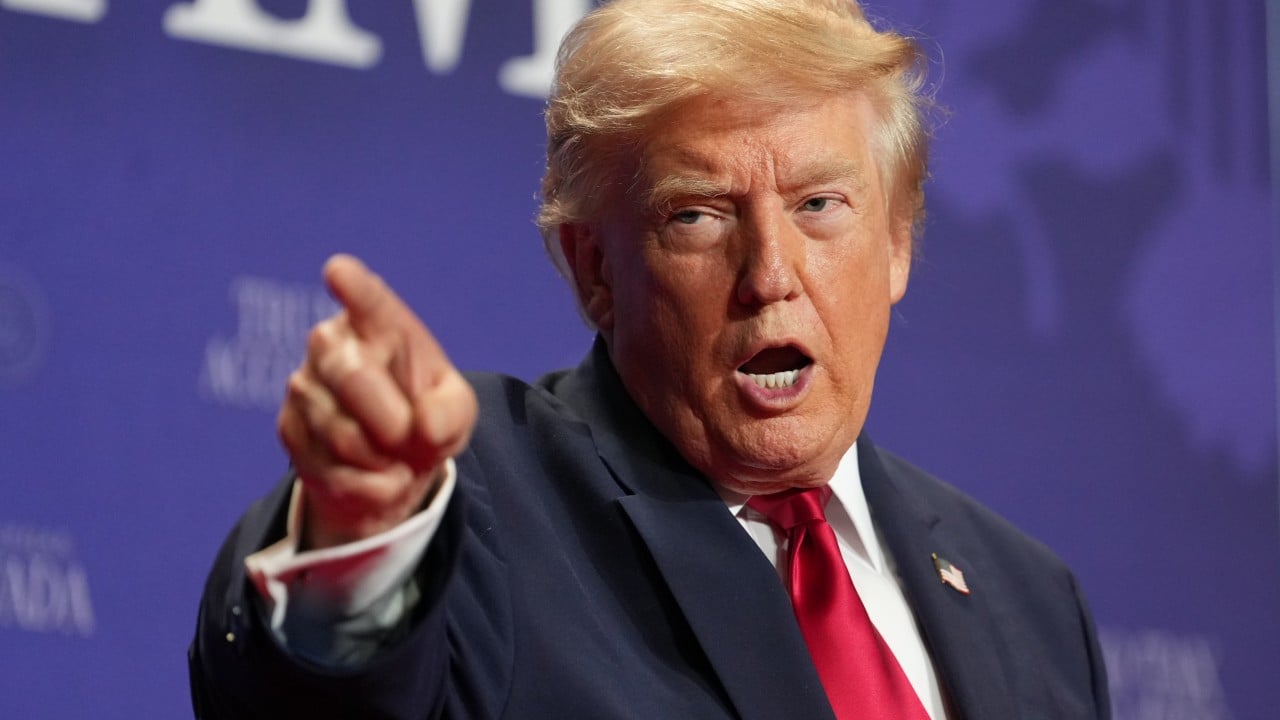
The U.S. State Department announced that the administration has officially revoked more than 300,000 visas during President Donald Trump's second term. Assistant Secretary of State for Consular Affairs Mora Namdar put it bluntly on social media: respect U.S. laws or lose the privilege. State Department Spokesperson Tommy Pigott echoed that sentiment, noting the pace outstrips any previous administration in history.
This isn't a minor administrative cleanup. It’s an aggressive, sweeping enforcement shift that catches thousands of visa holders off guard every single week. Let's break down what's actually happening behind these numbers and what it means for anyone holding or applying for American travel documents.
Why 300,000 Visa Revocations Mark a Radical Departure
Past administrations used visa revocations selectively. They targeted individuals flagged for direct terrorism ties, major drug cartels, or severe criminal convictions.
Today's approach operates on a completely different scale and threshold. The Bureau of Consular Affairs accelerated case reviews dramatically, targeting everything from ordinary criminal offenses to immigration discrepancies and national security parameters. Reports highlight that a significant portion of cancellations stems from everyday offenses—such as driving under the influence, assault charges, theft, and drug-related infractions.
Beyond standard criminal conduct, the sweep reaches into specialized enforcement areas. For instance, thousands of revocations are tied directly to birth tourism crackdowns, alongside intensified scrutiny of political protesters and individuals flagged during expanded social media vetting.
When the government says a visa is a privilege rather than a right, they mean it. Consular officers now possess expanded authority to re-examine existing visa holders long after they’ve cleared initial border checks.
The Invisible Triggers That Will Get Your Visa Canceled
Most travelers assume that once a consular officer stamps your passport, you're safe until the expiration date. That old assumption can cost you your legal status instantly.
Here are the real-world triggers driving these record numbers:
- Minor Criminal Run-ins: A local arrest for driving under the influence or domestic disputes used to result in court dates; now, it frequently triggers an immediate telegraphic visa revocation by the State Department.
- Aggressive Social Media Scrutiny: Consular screening processes now scour digital footprints. Political activity, controversial public commentary, or participation in heated demonstrations can trigger emergency reviews.
- Immigration and Compliance Violations: Working unauthorized side jobs on a student visa or overstaying authorized admission periods flags your file instantly in automated federal databases.
- Birth Tourism and Application Fraud: Misrepresenting the true purpose of travel on your initial DS-160 application can catch up with you months or years down the line, resulting in sudden invalidation.
What This Means for Current Visa Holders and Applicants
If you're currently in the United States on a work, student, or tourist visa, complacency is your biggest enemy. The margin for error has shrunk to zero.
You need to understand that consular notifications don't always arrive with a polite phone call or a warning letter. Many foreign nationals discover their visas have been revoked only when they attempt to board a return flight to the U.S., or when automated systems flag their passport numbers during routine state checks.
For future applicants, the vetting process is longer, more invasive, and far less forgiving. Expect consular officers to question minor discrepancies, look closer at your ties to your home country, and scrutinize your online presence before approving any travel document.
The message from Washington is unmistakable. Compliance isn't optional, and the privilege of entering the United States can be pulled back at a moment's notice. Keep your records clean, watch your step, and don't assume yesterday's rules protect you today.