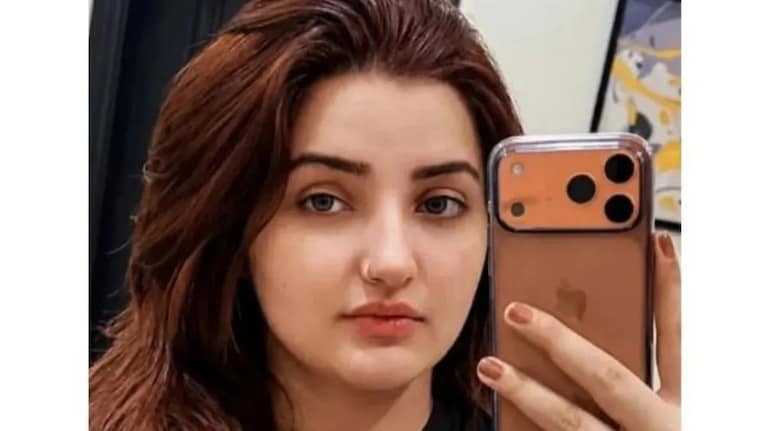
The digital fame that millions chase can, in an instant, become a target. When Ayesha Gilamana, known to her 1.3 million TikTok followers as Shamso Bibi, was gunned down in Taxila on Pakistan’s Independence Day, the veneer of social media invincibility shattered. It wasn’t a random act of violence. It was a targeted, cold-blooded ambush that has left a grieving family and a community of creators questioning the true cost of online visibility.
I have spent years watching the rise of social media stars across South Asia. The pattern is usually the same: humble beginnings, rapid growth, and then the inevitable clash with real-world dangers. We often talk about monetization and algorithms, but we rarely talk about the physical vulnerability that comes with having a massive digital footprint. For a closer look into similar topics, we recommend: this related article.
The Reality Behind The Targeted Attack
On August 14, 2026, Shamso Bibi was lured out of her home under the guise of a phone call. According to the complaint filed by her father, she was intercepted by gunmen on a motorcycle while traveling with her siblings. This wasn't a crime of opportunity; it was premeditated. The footage that surfaced later, showing the motorcycle-borne assailants pulling up alongside the car, leaves little room for doubt about the intent.
Many people assume that internet fame stays on the screen. That's a dangerous misconception. When you amass over a million followers, you become a public figure. You lose your anonymity, and you become accessible to anyone who knows how to find your public posts. In this case, the family has pointed to a long-standing financial dispute as the potential motive. Whether that turns out to be the definitive cause or a piece of a larger puzzle, it highlights a grim fact: online creators are increasingly being dragged into offline conflicts they are not equipped to handle. To get more background on this topic, in-depth reporting can be read on The Washington Post.
Digital Exposure Versus Personal Security
There is an ongoing, heated debate about the safety of women in the public eye in Pakistan. Shamso Bibi’s death follows the recent, equally tragic killing of another creator, Sana Yousaf. These aren't isolated incidents. They are part of a worrying trend where creators who gain success—particularly women—find themselves at the intersection of traditional social frictions and modern-day digital extortion.
Most creators focus entirely on content production. They think about engagement rates, brand deals, and viral trends. They rarely have a security plan. If you are a creator with a significant following, here is the brutal reality:
- Data Privacy Is Not Optional: You are leaking your location constantly. If your content includes landmarks, neighborhood shots, or real-time updates, you are basically handing a map to anyone who wants to find you.
- Financial Disputes Are High Stakes: When you start earning, the people around you change. People who were once friends or acquaintances might see your income as a communal pot. This is a common, messy reality that kills more creator careers than any algorithm change.
- Threat Detection: If you start receiving threats, stop treating them as "trolls." If you are being singled out, especially involving money or personal slights, treat it like an emergency. Report it to local authorities, not just your platform's support inbox.
The Role Of The Platform And Authorities
TikTok’s influence in Pakistan is undeniable, with an audience nearing 80 million adults. Yet, the platforms themselves remain largely indifferent to the physical safety of the people who generate their traffic. They provide tools to block users and moderate comments, but they do nothing to address the offline reality of stalking, extortion, and physical threats.
Her brother, Niamatullah, has been vocal in demanding justice, specifically calling for the intervention of Punjab Chief Minister Maryam Nawaz Sharif. Public pressure is currently the only mechanism that seems to force action in cases like this. Arrests have been made, but the investigation is still in its infancy. The focus now must remain on the motive—was this a personal grievance, a calculated extortion attempt, or something else entirely?
Taking Control Of Your Offline Safety
If you are a creator, or if you are considering building a personal brand, you need to separate your digital persona from your physical reality. It’s hard to do, but it’s necessary.
- Stop Being Accessible: If you are blowing up, hire a professional to manage your business inquiries. Do not use your personal phone number for public business.
- Vet Your Inner Circle: Success attracts people who want a cut of what you have. If someone brings a financial dispute into your life, disconnect immediately and document every interaction.
- Change Your Routine: If you start getting strange calls or noticing patterns, change your habits. It’s annoying to move your life around because of threats, but it beats the alternative.
- Demand Accountability: Use your platform to talk about safety. When creators go silent after a tragedy, the issue dies with them. Keep the pressure on local law enforcement.
Shamso Bibi’s life was cut short because someone decided her value was tied to a dispute rather than the joy she brought to her followers. Her family is now left to deal with the void, while the platform she called home continues on, completely unchanged.
The digital world is not a safety net; it's a megaphone. Make sure you know who is listening before you turn the volume up. Stay vigilant. Protect your location. If you see signs of trouble, don't wait for it to escalate. Get out, get help, and put your safety before your follower count.