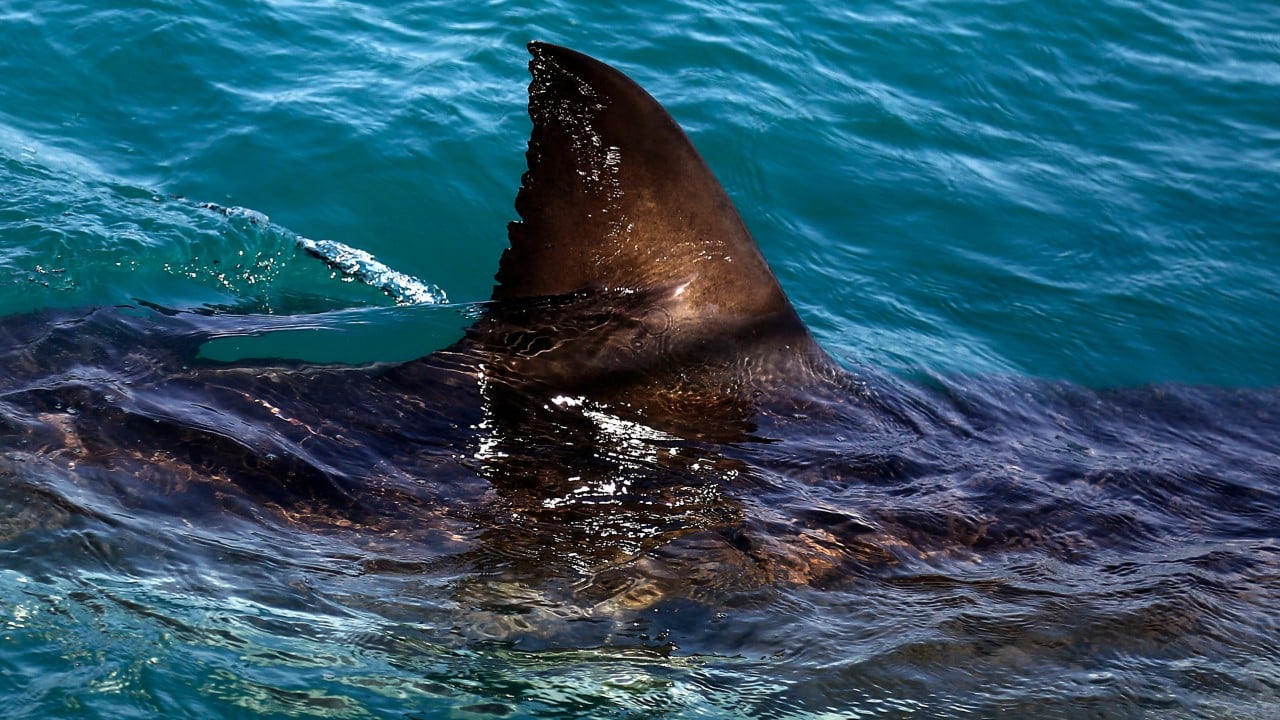
Sharks don't hunt humans for food, but that cold comfort matters little to the families left behind after a tragedy. A morning swim along South Africa's scenic coastline turned fatal when a 65-year-old woman was attacked while swimming at Orient Beach in KuGompo City, formerly known as East London, located in the Eastern Cape province.
Witnesses on the scene reported that the victim was swimming with a group shortly after eight in the morning when she signaled for help. Other swimmers noticed a fin and tail before realizing the severity of the situation. Pulling her back to the shore proved frantic, but emergency crews pronounced her dead directly on the sand. Local police confirmed she sustained two severe bite wounds—one to her thigh and another to her upper arm. Buffalo City municipality immediately shut down Orient Beach and nearby Eastern Beach, warning locals and tourists to stay completely out of the water.
Fatal shark encounters are statistically rare, yet they capture global attention because of their sudden brutality. According to data from the University of Florida's International Shark Attack File, global unprovoked bites rose to 65 cases with nine fatalities, including one in South Africa. While marine biologists point out that human encounters with sharks remain statistically low given the millions of people entering the ocean every year, regional spikes in activity remind us that the ocean is a wild, unpredictable habitat.
Why Do Shark Incidents Happen Where They Do
South Africa's coastline is legendary for its marine biodiversity, drawing wildlife enthusiasts from across the globe to view great white sharks, ragged-tooth sharks, and bronze whalers. But popular swimming spots sit directly in natural marine corridors. When baitfish move closer to the shoreline or water temperatures shift due to environmental changes, predators follow.
Swimmers often forget that entering the ocean means stepping into an apex predator's living room. Early morning and late afternoon hours, often favored by fitness swimmers and surfers, are times when visibility is lower and many marine species are actively hunting. While local authorities have closed the beaches in the Eastern Cape and opened an inquest, the exact species responsible for Tuesday's attack remains under investigation as experts examine the wound patterns and local water conditions.
Managing Risk in the Water
You can't eliminate the risk of a shark encounter entirely if you swim in the open ocean, but you can drastically lower your odds of a dangerous interaction.
- Avoid swimming alone, especially during dawn or dusk when visibility drops and predatory activity increases.
- Stay close to the shore where lifeguards are present and emergency response times are short.
- Steer clear of areas where seabirds are diving or fishermen are active, as these signs indicate baitfish schools that attract larger predators.
- Pay attention to local municipal warnings and beach closures instead of assuming safety signs don't apply to routine morning swims.
The ocean demands respect. When local authorities shut down a coastline after a fatal event, stay out of the water until experts give the all-clear.