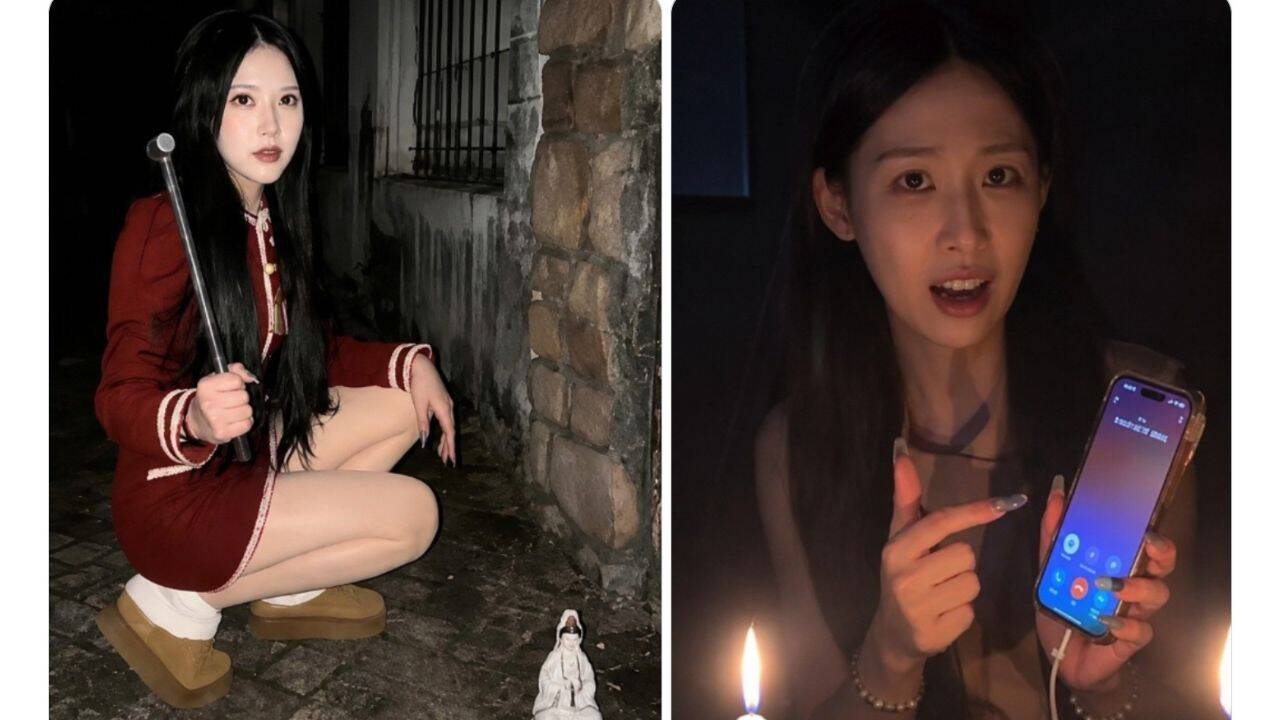
A 24-year-old Chinese paranormal content creator didn't survive a brutal July traffic accident, and the internet immediately lost its mind. Jiang Xiaorou, known to over a million followers on Douyin for exploring abandoned sites and debunking traditional taboos, passed away on August 10 after spending nearly a month in a Guangzhou hospital intensive care unit.
Instead of allowing her family to grieve, social media users instantly resurrected her most controversial stunt, twisting a tragic highway collision into a viral ghost story. People love a neat, spooky narrative. Reality is far more brutal, messy, and entirely devoid of poetic justice. Expanding on this theme, you can also read: Why Joe Rogan Is Breaking Silence On Trump And Breaking With The Right.
The Reality of the Crash
Jiang, whose legal name was Li Xiuting, was traveling from Guangxi back to Guangzhou in the early hours of July 15 when the ride-share vehicle she occupied crashed violently.
Medical documents from the Sun Yat-sen Memorial Hospital of Sun Yat-sen University paint a grim picture. She suffered severe traumatic brain injury, multiple organ damage, hemorrhagic shock, and traumatic coagulation abnormalities. Doctors placed her on a ventilator, fighting for weeks to save her life while her family scrambled to manage mounting medical expenses. Analysts at Bloomberg have also weighed in on this situation.
She didn't die instantly, and she didn't vanish under mysterious circumstances. She died in a hospital bed from physical trauma sustained in a mundane, devastating car wreck.
Why the Guanyin Statue Video Resfaced
The internet refuses to separate content from catastrophe. Shortly after news of her death broke, internet sleuths dragged her August 2025 video back into the spotlight.
In that clip, Jiang took a hammer to a Guanyin statue—a revered Buddhist bodhisattva—as part of an anti-superstition challenge. During the video, she openly taunted fate, asking, "Let's see how long I can live".
When the clip originally aired, it drew sharp backlash from viewers who called it disrespectful. When she died a year later in a car crash, internet commentators instantly connected the dots that didn't exist. They framed her fatal accident as cosmic retribution for breaking a religious taboo.
It's a seductive narrative for conspiracy theorists and ghost-story enthusiasts. It turns a tragic statistic on a highway into a modern morality tale. But it completely ignores the mundane mechanics of highway safety, driver fatigue, and sheer bad luck.
The Family Plea for Decency
As online speculation spiraled out of control, a relative identified as Mr. Liu posted a formal statement on Jiang's Douyin account.
The message thanked fans for their condolences while sharply rebuking the wave of ghoulish conspiracy theories. The family made it clear that unverified rumors, reposts, and sensationalized commentary caused immense pain during an already unbearable time. They urged the public to respect the facts and stop treating a real person's death as interactive fiction.
When public figures pass away, audiences often feel a false sense of ownership over their narrative. Content creators build parasocial relationships, inviting thousands into their lives. Yet, tragedy strips away the screen persona, leaving a grieving family behind real losses.
Moving Past Toxic Speculation
Consuming creator content means accepting that internet personalities are human beings navigating physical realities. Treating a fatal car crash as a supernatural mystery disrespects the victim and exhausts the people left behind.
If you followed Jiang's journey or watched her paranormal explorations, honor her memory by focusing on facts instead of fabricating urban legends. Look at road safety, support creator wellness, and remember that real life doesn't follow a script written for maximum shock value. Stop hunting for ghosts where there are only grieving families.