You have to spend at least $2000 on a plane ticket just to have a voice. That is the stark reality for tens of thousands of Israeli expats living in Australia who refuse to sit on the sidelines as their home country reaches a breaking point. With a high-stakes general election approaching on October 27, Israel’s strict voting laws demand physical presence inside the country. There are no postal votes or embassy ballot boxes for ordinary citizens abroad.
So, they are packing their bags.
Expats like Melbourne community leader Nirit Eylon and Sydney tech entrepreneur Ayal Steiner are booking long-haul flights back to Tel Aviv. They share a single, urgent mission: to vote against Prime Minister Benjamin Netanyahu and push the nation back toward the political centre. But behind their determination lies a deep, gnawing anxiety. Many believe that if the current far-right coalition loses power, the transition will not be peaceful.
The Logistics of Long Distance Democracy
Israel's electoral framework is famously rigid. Unless you serve as a diplomat or a military member stationed overseas, you must show up in person on election day. This rule effectively disenfranchises hundreds of thousands of citizens living across the globe.
Yet, organized efforts like the America-Israel Democracy Coalition and independent grassroots groups are pushing back. Charter flights and subsidized travel initiatives are helping mobilize a fraction of the estimated 600,000 Israelis living abroad. Organizers estimate that over 50,000 expats will fly in for this election cycle.
In a political landscape defined by razor-thin margins and parliamentary deadlocks, that diaspora vote carries immense weight. It could swing up to two seats in the Knesset. For voters who have watched Israel drift toward religious nationalism and intense militarism over the past three years, those two seats represent a lifeline.
Why Overseas Voters Are Risking Everything
Distance usually dulls political passion. For this diaspora, the opposite is true. The trauma of the October 7 attacks and the subsequent regional conflicts have reverberated heavily within Australia's Jewish community. Antisemitism has surged. Public opinion polls, such as a recent Pew Research study, show that a vast majority of Australians hold deeply unfavorable views of modern Israeli policy.
Expats feel the squeeze directly. Many report feeling that their identity has been flattened or treated as radioactive on university campuses, corporate offices, and social media.
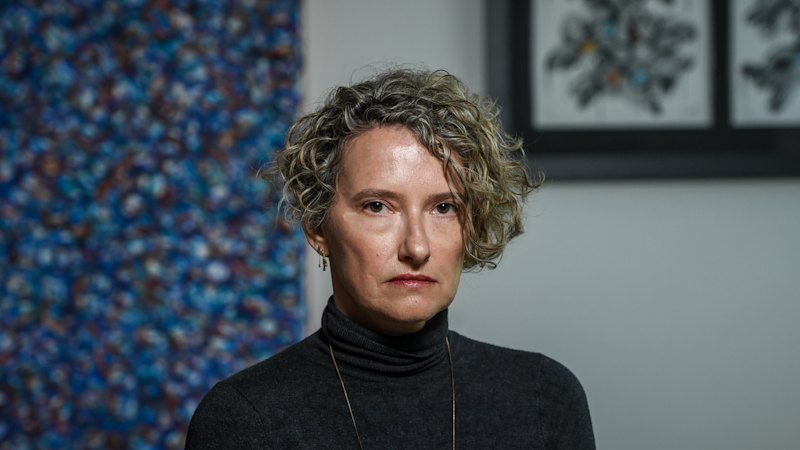
Voters travelling home argue that Netanyahu's coalition partners, including far-right figures like Itamar Ben-Gvir and Bezalel Smotrich, have hijacked the nation's foundational values. Figures like Melbourne psychologist Esther Takac, who is travelling to vote for the first time since Yitzhak Rabin was prime minister in the early 1990s, feel an acute moral obligation to act. They want to show the world that a different, more nuanced Israeli society still exists—one that values democracy, human rights, and eventual coexistence over endless conflict.
The Threat of Internal Conflict
Hope is accompanied by profound dread. Netanyahu has held power for the better days of two decades, earning a reputation as the great survivor of Israeli politics. His supporters remain fiercely loyal, and recent polling indicates that the pro- and anti-Netanyahu blocs are deadlocked.
Critics worry that a defeat at the ballot box will not spell an easy exit. Many fear that Netanyahu and his allies will use security pretexts or escalating tensions with Iran to delay the vote or cling to authority.
Even more terrifying to returning voters is the prospect of domestic unrest. When asked what worries them most about election night, expats do not point solely to external enemies. They point inward. The polarization on the streets of Tel Aviv and Jerusalem is palpable, with rival activists already clashing over campaign banners and public rallies.
The fear of civil war is real, visceral, and openly discussed by those making the journey. They are flying thousands of miles across the globe not just to cast a ballot, but to prevent their homeland from tearing itself apart from the inside out.
If you want to understand where modern politics is heading, look at the citizens willing to spend small fortunes and risk personal safety just to make their voices heard. Check your voter registration status if you hold dual citizenship, map out your logistics early, and engage directly with the grassroots organizations driving change on the ground.