Three years have passed since the morning that changed the Middle East forever. Yet the violence doesn't stop for anniversaries.
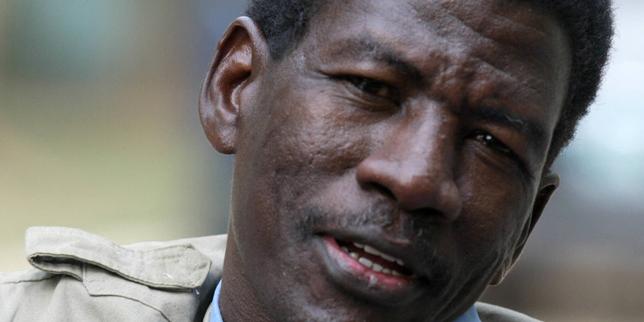
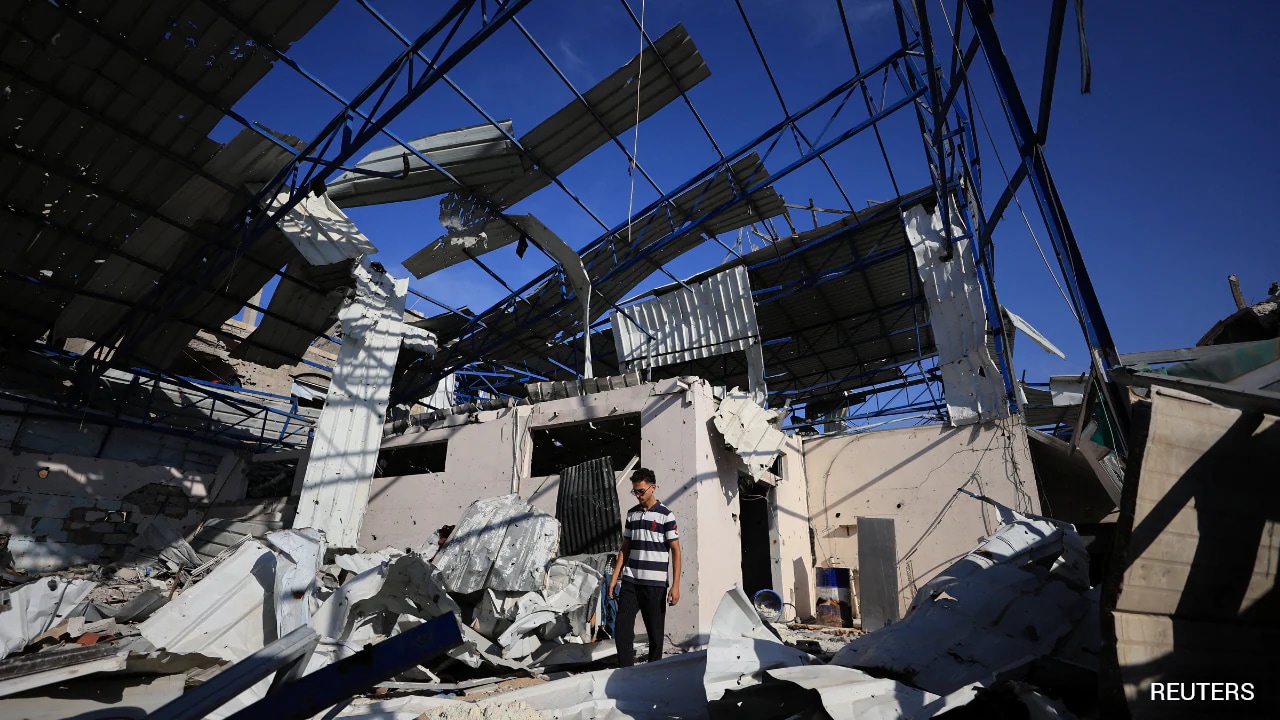
On Wednesday, as families gathered at dawn near the former site of the Nova music festival to mourn loved ones killed on October 7, 2023, loud explosions echoed across the border. Israeli strikes hit Gaza overnight. Al-Shifa hospital in Gaza City reported two fatalities from the bombardment. Among the dead was Mohamed Tamous, a volunteer for Gaza's civil defence emergency rescue service.
The juxtaposition is stark. On one side of the fence, grieving families marked a grim three-year milestone of the Hamas-led assault that triggered the ongoing war. On the other side, the physical devastation continued unabated.
The Weight of Three Years of Conflict
It's easy to look at headlines about ongoing strikes and tune them out. Compassion fatigue is real. But understanding what's happening right now requires looking at how a single day in 2023 locked the region into an intractable cycle of retaliation.
The October 7 attack shattered Israeli notions of security. It resulted in the deaths of roughly 1,200 people, mostly civilians, and the abduction of hundreds of hostages. In response, Israel launched a massive military campaign aimed at dismantling Hamas. The subsequent conflict has flattened vast swaths of Gaza, displaced millions, and claimed tens of thousands of Palestinian lives, creating a humanitarian catastrophe that shows no sign of resolution.
When you look at the macro picture, diplomatic efforts have repeatedly stalled. Prime Minister Benjamin Netanyahu and other Israeli officials have maintained that operations will continue until strategic goals are fully met, meaning the complete elimination of Hamas governance and military capabilities in the enclave. Meanwhile, the civilian population in Gaza bears the brunt of the daily military operations, surviving in ruins with crippled infrastructure, severe medical shortages, and constant displacement.
Why This Anniversary Matters for Regional Stability
Anniversaries in protracted conflicts are rarely just symbolic. They serve as psychological flashpoints.
When morning broke over the memorial sites near the Gaza border, attendees weren't just remembering the past; they were confronting an unsettled present. Many hostages remain unaccounted for, and the internal political pressure on the Israeli government remains intense. Families of captives continue to demand deals, while hardliners push for total military victory.
Across the border, the daily reality for rescue workers like Mohamed Tamous highlights the complete collapse of normal civic life. Emergency responders operate in active combat zones, where trying to pull survivors from rubble can quickly turn deadly.
Looking Ahead at an Unresolved Crisis
The third anniversary offers no neat closure. It exposes the deep trenches both sides have dug over the past three years.
Ceasefire talks flare up and fizzle out with frustrating regularity. Regional actors, including international mediators from the United States, Qatar, and Egypt, keep trying to bridge the gap between uncompromising demands. But until a fundamental shift occurs in political will or military strategy, the cycle of strikes, mourning, and survival will grind on.
Pay attention to the smaller details behind the big numbers. The individual casualties, the persistent humanitarian struggles, and the enduring trauma on both sides are what truly define where this conflict stands today.