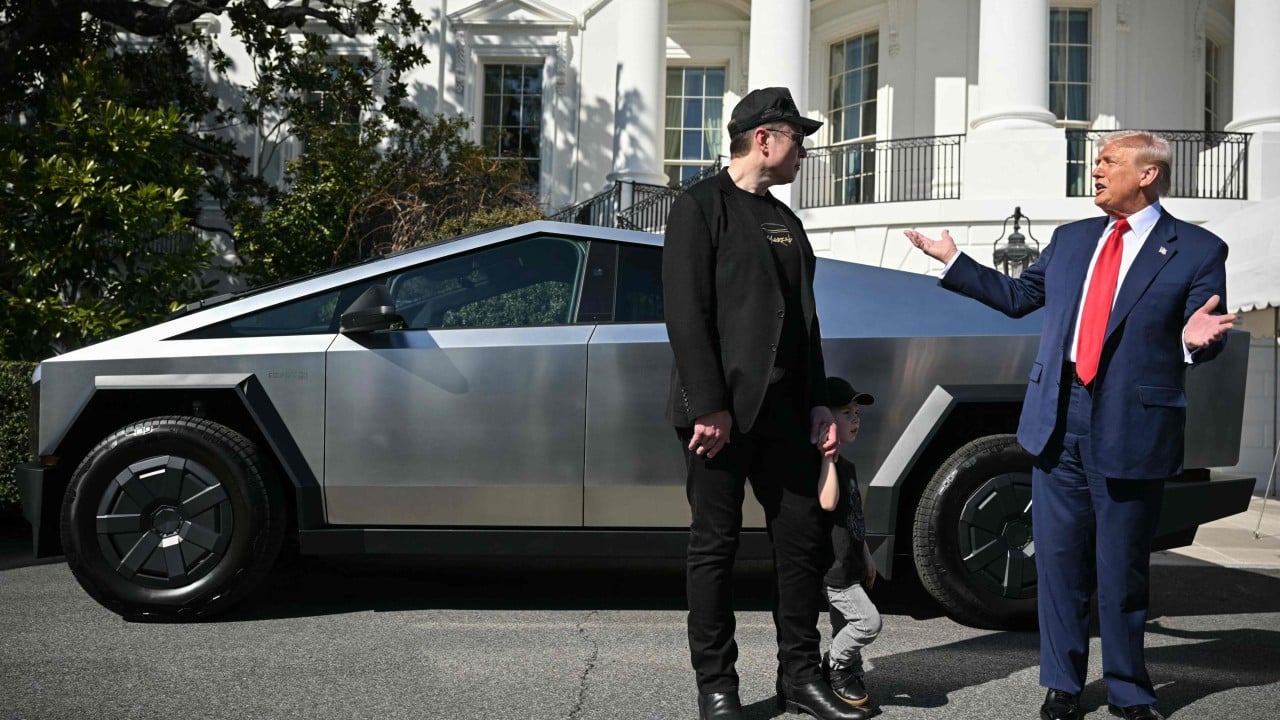
The stainless-steel experiment is coming to an end. Elon Musk recently confirmed that Tesla will wind down Cybertruck production at Gigafactory Texas around the middle of 2027, cutting short a polarizing vehicle journey that barely lasted four years.
If you followed the hype, this pivot might feel sudden. If you looked at the actual sales numbers and factory constraints, it makes total sense. Tesla isn't just killing a truck; it's clearing precious floor space to mass-produce the Cybercab robotaxi. For a closer look into this area, we suggest: this related article.
Let's look at why the truck failed to secure its long-term future and what this expensive pivot means for the company's trajectory.
The Reality Behind the Cybertruck Sales Slump
When Tesla first rolled out the angular electric pickup, Musk floated ambitious production targets of around 250,000 units a year. The reality on the ground looked entirely different. To get more details on this topic, extensive coverage is available at Engadget.
The vehicle never came close to those lofty numbers. According to Cox Automotive data, U.S. sales dropped 48% to 20,237 units in 2025, followed by another 11,586 units in the first three quarters of 2026. By that point, the truck accounted for a tiny 1.6% slice of the domestic EV market.
Tesla grouped the Cybertruck alongside the aging Model S and Model X into an "Other Models" delivery category, which slumped to just 8,295 worldwide deliveries during the third quarter of 2026. High price tags, polarizing styling, and persistent early-stage quality headaches narrowed the buyer pool faster than expected.
Instead of fixing a niche product with a capped ceiling, Tesla chose a hard reset.
Making Room for the Cybercab
Gigafactory Texas is a massive manufacturing footprint, but assembly lines are finite. If you want to scale a dedicated autonomous vehicle like the Cybercab, you need dedicated square footage.
Stopping Cybertruck production by mid-2027 instantly frees up the tooling, assembly lines, and logistics channels required for high-volume robotaxi output. Tesla's research and development spending surged to $2.76 billion in the third quarter of 2026—up sharply from $1.63 billion a year prior—highlighting just how aggressively capital is shifting toward autonomy and artificial intelligence.
Musk has signaled that autonomous fleet operations could become a major financial driver by late 2027. Wall Street wants to see if autonomous software can scale safely and clear regulatory hurdles without choking cash flow. Meanwhile, the Cybercab itself faces intense scrutiny, including a National Highway Traffic Safety Administration special inquiry carrying potential penalties of up to $139 million. Trading a controversial niche pickup for a high-stakes robotaxi bet is a massive gamble.
What This Means for the Broader EV Landscape
The death of the Cybertruck marks the end of an era where raw shock value could carry a vehicle line. Traditional automakers and EV startups alike are realizing that quirky halo products cannot sustain a manufacturing empire if the broader market rejects them for daily utility or practical pricing.
Tesla is betting its future on software, autonomous mobility, and artificial intelligence infrastructure like the Optimus robot, streamlining vehicle manufacturing down to essentials that promise higher margins.
If you bought a Cybertruck, don't panic. Parts, service, and support will stick around, but the vehicle will soon transition from a rolling production experiment into a rare automotive artifact. The era of the stainless-steel wedge is bowing out, making way for the steering-wheel-free future Tesla wants to build.