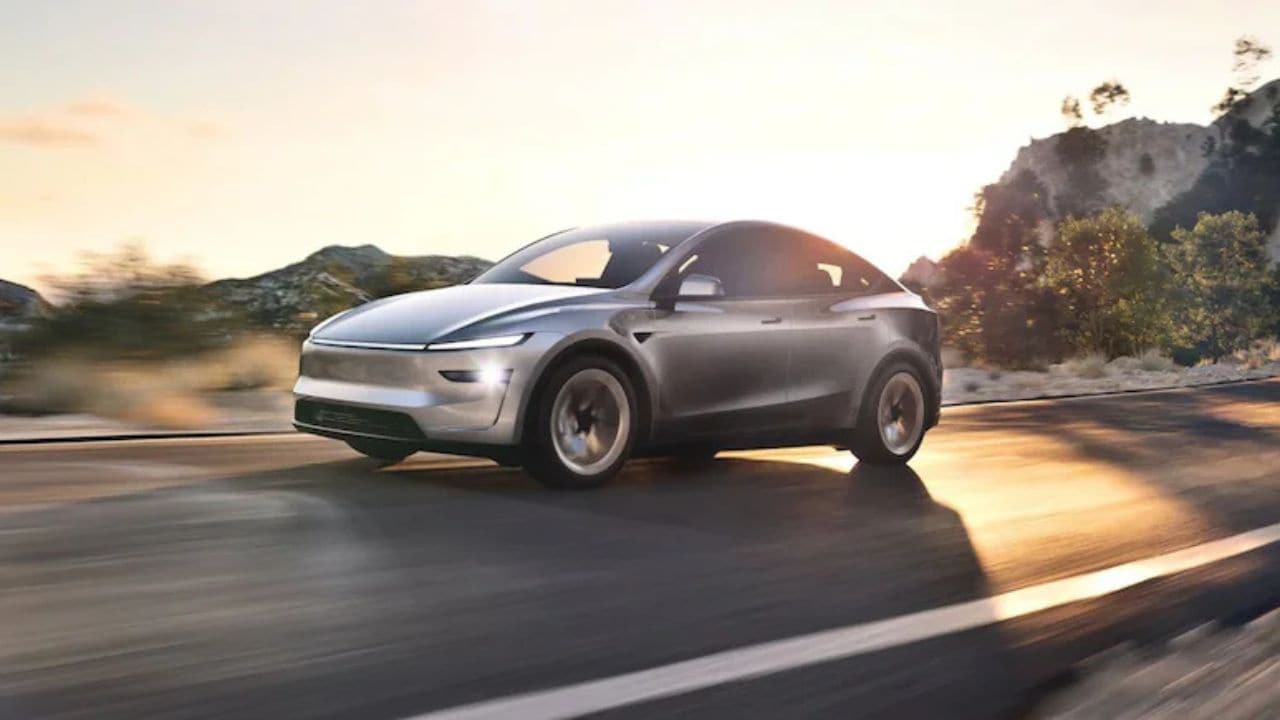
Buying an expensive tech upgrade for your car only to find out it's illegal to use isn't just frustrating. It's a massive consumer fraud issue. Tesla is finding this out the hard way in South Korea right now.
An advocacy group is filing a formal complaint with the Korea Fair Trade Commission. They claim Tesla marketed its Full Self-Driving software to local buyers for years while knowing the feature couldn't legally run on the vast majority of vehicles being sold. In similar news, read about: Why Jordan Is Stocking Up On Low Cost Drone Killing Rockets.
If you've been watching Tesla's global expansion, you know the company pushes its driver-assistance software hard. But regulatory hurdles, local vehicle standards, and manufacturing origins create a messy reality that dealerships often gloss over.
The Core Problem With Tesla's FSD Sales in South Korea
Let's look at the numbers because they tell a wild story. Tesla recently overtook BMW to become the top imported-car brand in South Korea. Sales have surged. But there is a massive catch regarding where those cars were built. Wired has also covered this important subject in extensive detail.
Only about twenty percent of Tesla vehicles registered in South Korea are manufactured in the United States. Those specific US-built models meet American vehicle safety standards that South Korea recognizes under a free trade agreement. That means those cars can technically support the FSD package, assuming local regulatory approvals clear.
The remaining eighty percent plus? They come from Tesla's Gigafactory in Shanghai, China.
For more than three years, Tesla sold expensive FSD packages—often collecting lump-sum payments of over nine million won, or roughly $6,700—to buyers driving these China-manufactured vehicles. Even though those cars lacked the certification required to use the software. In fact, data submitted to South Korea's National Assembly showed that last year alone, ninety-nine percent of new Teslas sold in the country could not legally use FSD.
Tesla kept collecting the cash anyway.
Marketing Versus Regulatory Reality
Transparency has never been Elon Musk's strongest suit when it comes to regulatory timelines. Tesla promoted FSD as "coming soon" and even posted promotional driving videos filmed locally in South Korea without giving buyers a clear warning.
They left out a crucial detail. The software wasn't certified.
When pressed during a parliamentary hearing last October, Tesla's country manager in South Korea, Seo Young-deuk, admitted the company had not even formally requested FSD testing from the transport ministry until very recently. Two weeks after that grilling, Tesla finally applied for certification.
Too little, too late, according to consumer advocates. The Citizens United for Consumer Sovereignty group argues that Tesla generated massive revenue by selling an advanced driver-assistance system to mass-market drivers who couldn't legally use it for a single day.
South Korea's transport ministry has already made its stance clear. Local safety rules require drivers to keep their hands firmly on the wheel and adhere to strict domestic compliance standards. FSD doesn't automatically comply out of the box.
What This Means for Global EV Buyers
This regulatory clash highlights a dangerous trend in the automotive world. Software-as-a-service models allow automakers to sell features that exist only as digital promises. When tech companies treat hardware compliance as an afterthought, real customers pay the price.
Tesla recently shifted its FSD monetization strategy in South Korea from a steep lump-sum payment to a monthly subscription of 150,000 won. But switching payment models doesn't fix the underlying compliance gap for cars shipped out of Shanghai.
The Korea Fair Trade Commission launched a probe into Tesla's advertising practices earlier this year. If the regulatory agency rules against the automaker, Tesla could face severe administrative fines, temporary cease-and-desist orders on specific software marketing, and potential referrals to state investigators.
Automakers cannot treat foreign markets as wild west test zones where software is sold before it is legally cleared. If you are buying a connected vehicle with advanced driver-assistance features today, don't trust the marketing hype. Check the local regulatory status of the exact vehicle identification number sitting on the lot before you hand over thousands of dollars for features you aren't legally allowed to turn on.