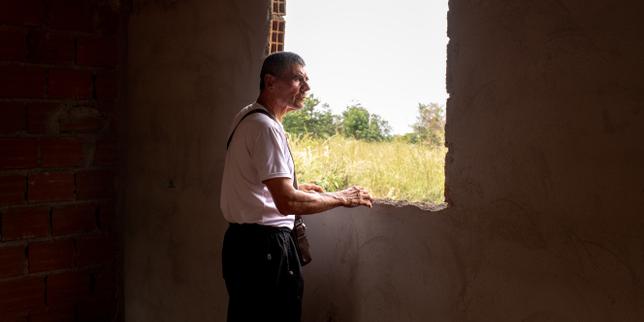
Ten years after Colombia signed its historic 2016 peace accord with the FARC, ex-combatants are still fighting to turn a signature on paper into a safe, ordinary life. Signing a treaty is one thing. Living inside the aftermath, year after year, through shifting governments and splintered frontlines, is something else entirely.
When the deal was reached a decade ago, people hoped it would close the book on a half-century war. Instead, it opened a messy, unfinished chapter. Thousands of former guerrillas laid down their rifles and chose civilian life. They started farms, joined cooperatives, went back to school, and tried to become neighbors in places that had only known trenches and checkpoints. Yet over 500 signatories have been killed since committing to the peace process, according to Indepaz reporting, while armed groups have regrouped and rural violence has surged back in several regions.
Look closely at what happened on the ground, and you see why the transition has been so grueling. The accord wasn't just a disarmament checklist. It promised rural land reform, economic reintegration, protection for former fighters and social leaders, crop substitution away from illicit economies, and transitional justice. In practice, those pillars moved at wildly different speeds.
Why Reintegration Stalls After the Guns Go Quiet
If you ask anyone who has worked on post-conflict transitions, they'll tell you the hardest part isn't handing over a rifle. It's figuring out how to buy groceries, get a loan, and sleep without one eye open five years later.
For former FARC members, moving into civilian life meant learning skills that don't exist in a guerrilla column. Many spent their youth in the jungle with little formal schooling. Even when they built cooperatives—growing coffee, honey, or timber, or running local shops—markets were distant, roads were rough, and steady credit was hard to come by. Still, real progress exists. In 2025 alone, more than 600 signatories finished high school, and assets handed over by former combatants have contributed to reparations for thousands of victims, according to remarks by peace negotiator and human rights lawyer Diego Martínez.
Those wins are real, and pretending otherwise misses the full picture. At the same time, they don't erase the danger. A signatory who opens a small business in a contested municipality doesn't operate in a vacuum. Armed factions—including FARC dissidents and rival groups—fight over coca routes, illegal mining, and territory. Ex-combatants who stayed with the peace deal are often caught right in the middle, viewed with suspicion by armed actors or targeted directly.
Here's a mistake outside observers often make. They treat reintegration like a single government program that either succeeds or fails. Honestly, it's way more uneven than that. One cooperative in a relatively stable area might find buyers and build steady income, while former fighters a few valleys away face extortion, displacement, or assassinations.
Shifting Politics and a Fragmented Conflict
Ten years is a long time in Colombian politics. Three administrations have now tried to steer or reshape the peace process, and each shift has changed the weather on the ground.
Former president Gustavo Petro pursued a sweeping "total peace" push with multiple armed groups, yet violence still spiked in several hotspots, with massive displacement and humanitarian strain reported by organizations like the Norwegian Refugee Council and UN agencies. By late 2026, under President Abelardo de la Espriella, the tone hardened again. De la Espriella has questioned the cost and oversight of the accord, moved to narrow the UN verification mandate's focus on rural reform, and pushed a tougher security posture. Meanwhile, UN Secretary-General António Guterres has warned about persistent violence in conflict-affected areas while urging sustained commitment to the agreement's core pillars, as reported in UN reporting on the 10-year mark.
It's a sharp clash of philosophies. Critics of the deal—including figures like Ingrid Betancourt—argue it fell short, pointing to ongoing violence, illicit economies, and a sense that peace promises didn't deliver real security for ordinary citizens. Supporters and peace advocates counter that tearing up or sidelining the framework doesn't fix weak state presence in remote territories; it just leaves communities and signatories with fewer guardrails.
Numbers tell part of the story, though they don't capture every nuance. Official figures cited at the UN Security Council in October 2026 pointed to a sharp rise in total armed-group membership over the decade since 2016, driven by criminal organizations, dissident factions, and illegal economies. That doesn't mean the 2016 accord accomplished nothing—far from it, since the main FARC guerrilla army demobilized as a unified force—but it proves that disarming one major group doesn't automatically pacify the whole map.
What People Get Wrong About the Peace Process
Let's clear up a few stubborn myths that keep popping up whenever this anniversary rolls around.
- Myth one: The war ended in 2016. It didn't end everywhere. Fighting mutated. Dissident FARC factions splintered, rivals like the ELN and other armed groups contested turf, and civilians in rural areas like Catatumbo, Cauca, and Guaviare kept paying the price.
- Myth two: Ex-combatants were handed an easy ride. Life after demobilization isn't a free pass. Many signatories live in precarious settlements, struggle with bureaucratic delays, and face constant security threats. Completing a high school diploma or getting a small productive project off the ground takes grit that headlines rarely show.
- Myth three: Transitional justice is just a formality. The Special Jurisdiction for Peace (JEP) and related mechanisms were designed to handle accountability for both guerrilla leaders and state forces in ways traditional courts struggled to manage. It's slow, legally complex, and politically contested, yet it remains central to victims' rights and historical truth.
Personally, I think the biggest blind spot in debates about Colombia's peace is treating rural development as an afterthought. You can't build lasting peace in regions where paved roads, clinics, courts, and legal livelihoods were missing for generations. Guns fill power vacuums. Schools and markets fill them differently, if anyone actually sticks around to build them.
Where Things Stand for Signatories and Communities
Ten years on, Colombia sits at an awkward crossroads. The accord is neither a fairy-tale triumph nor a total zero. It's a bruised, half-built architecture holding up real human lives—some thriving quietly, some grieving lost comrades, some still waiting for basic state protection.
Security remains the sharpest fault line. When attacks against former combatants go largely unpunished at the command level, confidence drops fast. When rural communities see armed actors exercising more daily authority than local institutions, skepticism grows even deeper. Yet on the ground, teachers, farmers, victims' groups, and former fighters still show up to meetings, run local projects, and argue over how to keep their neighborhoods alive.
Practical Next Steps for Following or Supporting the Process
If you want to track what happens next without getting lost in partisan noise, start with concrete habits:
- Read primary verification and human rights reports. Follow updates from the UN Verification Mission in Colombia, the Norwegian Refugee Council, Human Rights Watch, and Colombian conflict monitors like Indepaz to separate local facts from political slogans.
- Look at territorial indicators, not just capital-city headlines. Pay attention to specific departments—such as Cauca, Guaviare, Nariño, and Norte de Santander—where land access, crop substitution, and armed clashes play out directly.
- Support verified local peace and reintegration initiatives. If you're looking to contribute time, research, or funding, vet organizations that work directly with rural cooperatives, displaced families, and community leaders rather than relying on broad charity appeals.
- Watch how budgets and land commitments move. Policy speeches sound big, but real implementation shows up in approved funding, land titles, protection protocols, and judicial follow-through.
Ten years after the signature, the real test isn't nostalgia for 2016. It's whether Colombia can protect the people who took the risk to leave the war behind.