Two oil tankers caught fire north of Oman's Khasab port on Thursday, November 26, 2026, after Iran's Revolutionary Guards said the vessels struck sea mines along an unauthorized Strait of Hormuz route. One of the ships was a supertanker carrying more than two million barrels of crude.
If you're watching oil prices or shipping lanes, that headline sounds crystal clear. A supertanker hits a mine, catches fire, and choke-point anxiety spikes again. Honestly, though, taking IRGC mine claims at face value misses half the picture.
Maritime monitors like the UK Maritime Trade Operations (UKMTO) and the Joint Maritime Information Centre (JMIC) don't always line up with Tehran's version of events. Sometimes shipping advisories log unknown projectiles or explosions near vessels while finding little independent confirmation of active sea mines. That gap between what Tehran announces and what maritime trackers verify is one of the biggest traps in following Persian Gulf shipping news.
Why Khasab Matters So Much for Tanker Mine Claims
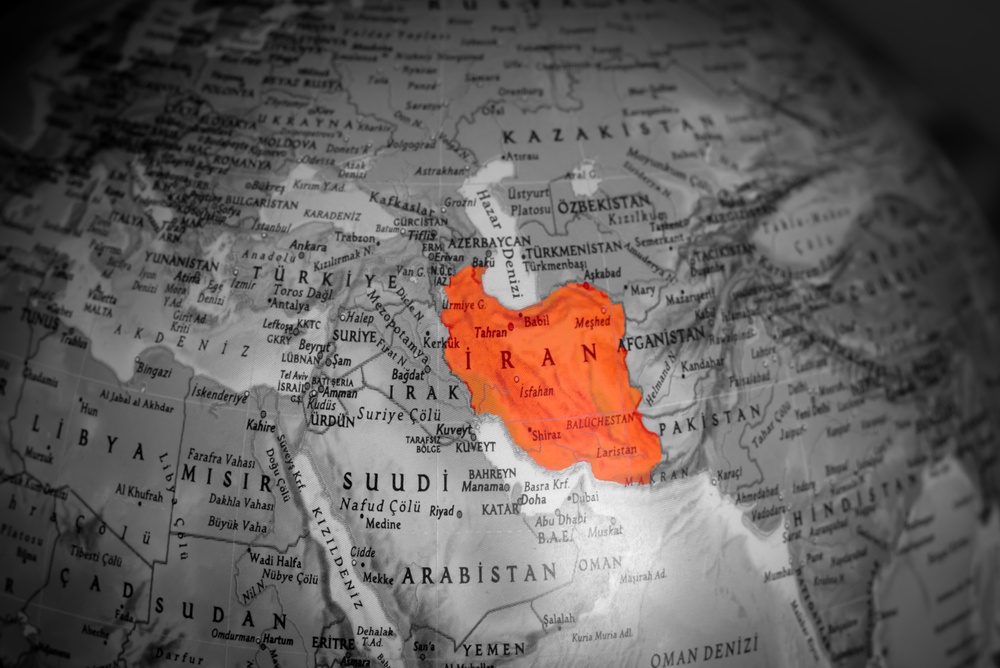
Khasab sits on the Musandam Peninsula, right where the narrow funnel of the Strait of Hormuz opens toward the Gulf of Oman. Ships moving crude out of the Persian Gulf pass through tight corridors where navigation choices, shallow waters, and regional military patrols overlap constantly.
When a tanker goes dark—turning off its positioning transponder to slip through without coordination—everyone gets nervous. Captains sometimes shut off tracking systems to avoid drawing attention or to dodge perceived threats, yet going dark also makes independent verification harder when an explosion happens.
From an operational standpoint, here's what makes incidents near Khasab tricky to sort out in real time:
- Conflicting weapon reports: Iranian state media through outlets like Tasnim frequently attributes tanker blasts to sea mines, whereas international maritime centers often report strikes from unidentified projectiles or nearby blasts.
- Missing vessel identifiers: Announcements from the Revolutionary Guards regularly omit ship names or
Unique seven-digit identification code assigned to commercial ships to track ownership and history. , making it tough for outside analysts to cross-check hull damage or crew status quickly. - Tight traffic corridors: Even when daily transit numbers drop far below normal baselines, remaining vessels squeeze into narrow lanes where a single fire or stalled ship ripples across regional schedules.
The Verification Gap Between Tehran and Maritime Trackers
I've watched plenty of geopolitical flare-ups where the first narrative out of a crisis zone sounds neat and complete, only to unravel once independent maritime logs catch up. That doesn't mean nothing happened off Khasab. Fires on tankers carrying millions of barrels of crude are serious events, period.
Still, there's a big difference between proving a ship caught fire and proving a naval mine caused it. Confirming a sea mine typically requires physical wreckage, hydrographic or
Brigadier General Hossein Mohebbi, speaking for the Revolutionary Guards in state media coverage, framed heavy firepower and mine warnings around keeping pressure on the US economy and enforcing Tehran's transit rules. That political framing is part of the story too. Both sides use information to signal resolve, test deterrence, and shape how insurers and shippers price risk.
What This Means for Oil Markets and Shipping
A single supertanker holds roughly two million barrels of crude oil. Multiply that by multiple reported incidents across a stretch of days, and it's easy to see why traders react fast even before full facts emerge.
At the same time, markets rarely move on one headline alone. Traders weigh actual physical supply disruptions, alternative export routes where available, war-risk insurance rates, and whether transits are merely slowed or completely halted. A vessel catching fire north of Khasab raises immediate safety and routing questions, yet a full physical blockage of every barrel is a different threshold altogether.
A common mistake people make during Middle East shipping spikes is treating every tanker report as an instant, permanent supply cutoff. Sometimes traffic slows dramatically and insurance premiums jump while a trickle or partial flow still moves. Other times, incidents cluster around specific dates and routes, forcing captains to reroute, wait for escorts, or pause sailings until advisories settle.
Practical Next Steps When Tracking Hormuz Incidents
If you're following this situation for work, investing, or general awareness, skip the knee-jerk social media rumors and use a tighter checklist:
- Check independent maritime advisories first: Look for updates from recognized maritime security bodies such as the UK Maritime Trade Operations and shipping intelligence briefs before assuming the cause of a blast.
- Watch for ship identifiers and status: Look for confirmed vessel names, IMO numbers, crew safety updates, and tug or salvage responses rather than relying solely on unverified counts.
- Separate headline shock from physical flow: Track actual tanker movement data, port delays, and crude benchmark reactions over several days instead of reacting to the first flash report.
- Review exposure calmly: If you trade energy or manage supply chain risk, check contract force majeure clauses, freight routing options, and insurance terms rather than making impulsive moves off a single statement.
The facts on the water near Khasab are still being pieced together, and credibility in a crisis belongs to verified details—not the loudest claim.