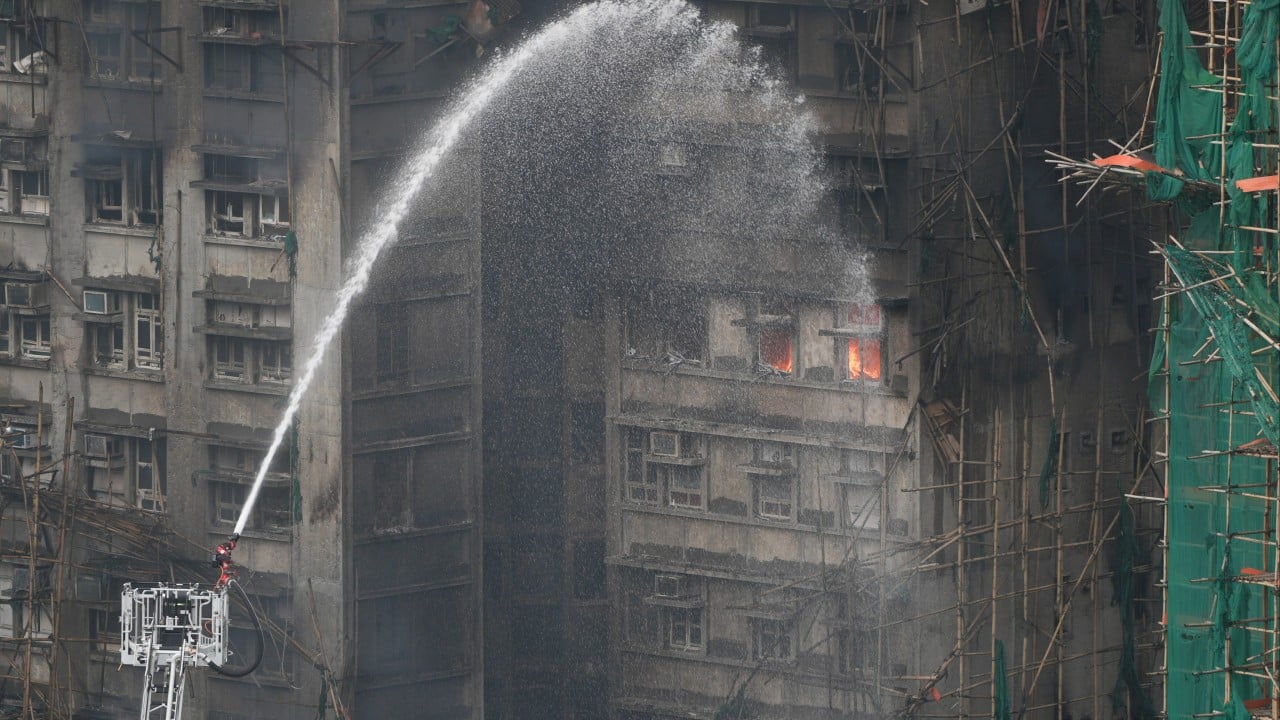
When a city experiences a disaster of unprecedented scale, accountability cannot remain a bureaucratic buzzword. Following the release of the independent committee's findings on the catastrophic Wang Fuk Court fire in Tai Po, Hong Kong officials are stepping up to face intense public scrutiny. Security Chief Chris Tang has made it clear that accountability will have no limits, signaling a definitive shift in how the government handles systemic safety failures.
If you've been following the aftermath of the devastating blaze that tore through the residential complex, you know that the stakes couldn't be higher. The independent probe didn't just point fingers at isolated mistakes; it exposed deep vulnerabilities across multiple departments, including the Independent Checking Unit, the Buildings Department, the Fire Services Department, and the Labour Department. Now, the administration is tasked with translating heavy findings into structural overhauls.
Beyond the Report: What Went Wrong in Tai Po
The numbers behind the tragedy are staggering and heartbreaking. The blaze at Wang Fuk Court burned for over 43 hours, ultimately impacting seven out of eight residential blocks and claiming 168 lives, including a firefighter. Thousands of residents were displaced overnight.
When investigators dug into the root causes, they found systemic failures that allowed a maintenance project to turn into a death trap. Fire alarms failed, water source access points presented friction during rescue operations, and oversight mechanisms functioned more like passive rubber stamps than active safety barriers.
The independent report spans over ten chapters, laying bare how administrative blind spots and weak regulatory enforcement allowed hazards to fester. Critics have long argued that oversight bodies operate in silos, missing critical red flags until it's far too late.
The Push for Real Structural Reforms
Secretary for Security Chris Tang has confirmed that the government isn't stopping at administrative tweaks. Sweeping legislative reforms are in motion to overhaul fire safety standards across the city's aging housing estates.
What does this mean in practice? The government plans to introduce stricter criminal penalties to crack down on bid-rigging during major building renovations—a persistent issue that often leads to compromised materials and substandard contractor work. Furthermore, the Fire Services Department is stepping into a backstop role, ensuring that fire installation and equipment certificates receive rigorous, independent checks rather than relying on contractor self-certification.
Officials are also tightening material standards for exterior renovations and scaffolding. When buildings undergo massive face-lifts, the materials used must meet stringent flame retardancy requirements to prevent vertical fire spread.
Accountability Without Limits
Public anger over the tragedy has placed immense pressure on officials to ensure that accountability is real, visible, and consequential. While the independent report leaves specific disciplinary actions and legal prosecutions for the government and the Department of Justice to sort through—especially given ongoing criminal proceedings—the political message is blunt.
Hong Kong's leadership understands that trust is fragile. Rebuilding that trust requires more than press conferences and policy addresses. It requires prosecuting negligence, rewriting obsolete building codes, and holding supervisory departments legally responsible when safety protocols fail.
Property owners and management committees are also feeling the heat. The days of treating fire safety compliance as a mere box-ticking exercise are over. Management bodies face sharper legal liabilities for maintenance lapses, forcing them to hire reputable professionals rather than the lowest bidder.
What Needs to Happen Next
Real change in urban safety is measured by execution, not promises. As the Department of Justice reviews the committee's findings to avoid prejudicing court proceedings, the security bureau must push forward with the promised statutory amendments without delay.
Building owners must audit their fire services infrastructure immediately. Waiting for government inspectors is no longer a viable strategy. Residents should demand transparent maintenance records, functional alarm systems, and clear evacuation routes.
Safety regulations written in blood demand nothing less than permanent vigilance. Hong Kong's response to the Tai Po disaster will define urban safety standards for decades.