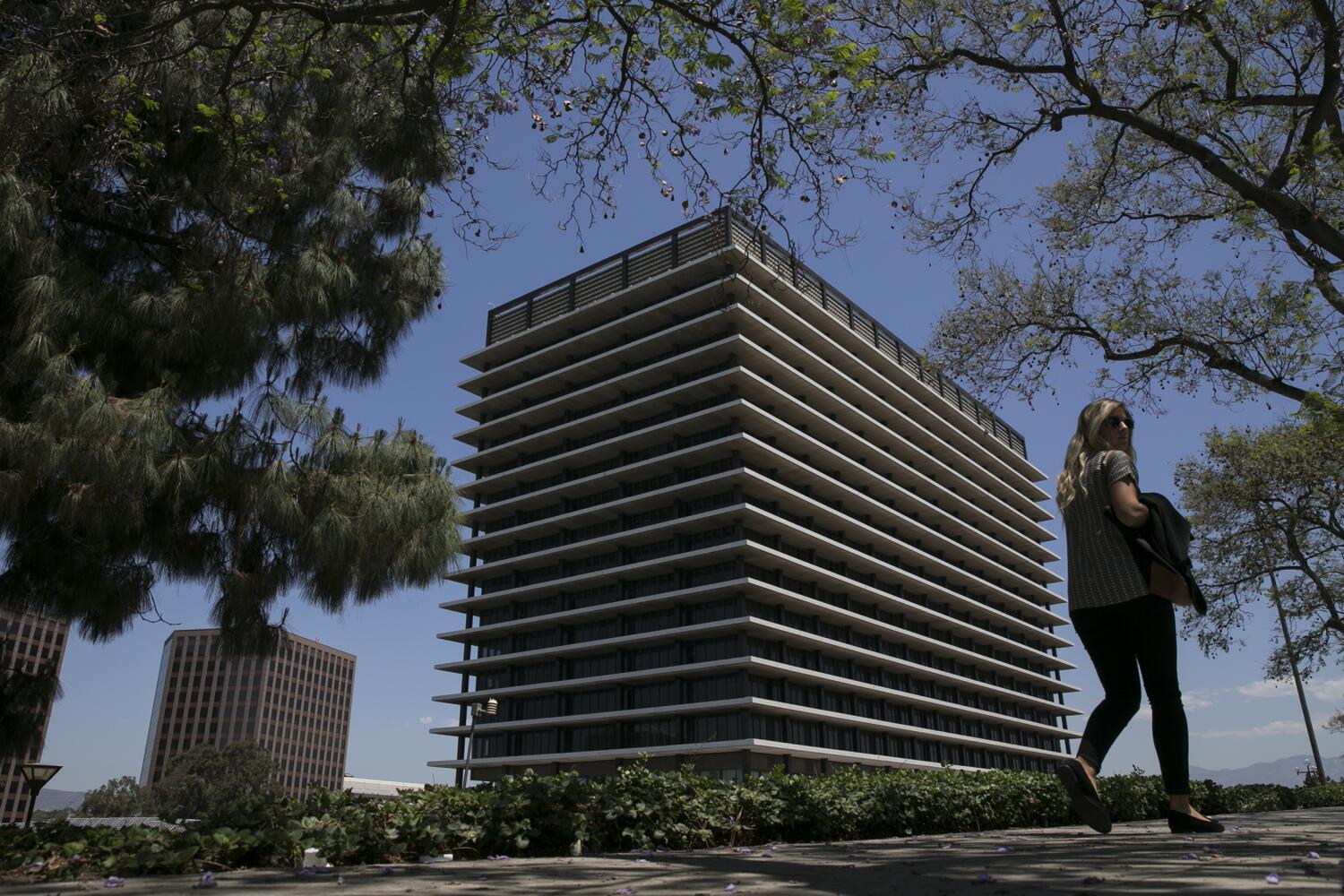
When your latest utility bill looks like a mortgage payment, panic sets in immediately. Los Angeles residents recently opened envelopes from the Department of Water and Power to find charges spiking into the thousands following brutal summer heat waves. Naturally, public forums and opinion columns filled up with advice telling people to turn off their air conditioning, suffer through the heat, and rely entirely on open windows and sheer willpower.
Honestly, that advice is terrible.
Torturing yourself in a stifling home to save a few bucks on electricity isn't a badge of honor. It’s a health hazard, a recipe for miserable sleep, and a shortsighted fix for a much deeper systemic problem. If you want to lower your electric bill without living like you're trapped in a sauna, you need to look past generic conservation platitudes and understand how your home actually traps heat.
The Real Cost of Turning Off Your Air Conditioning
We've all heard the old-school arguments. Just open your windows at night, use a $15 box fan, and sweat it out during the peak afternoon hours. People love to brag online about keeping their power bills under one hundred dollars during record-breaking August and September heat spikes.
The catch? They're miserable.
Bad sleep wrecks your immune system, ruins your focus at work, and turns your home into a pressure cooker. More importantly, houses in cities like Los Angeles are frequently built with zero insulation in the walls or attic spaces. Once those building materials absorb the heat, they radiate it back into your living rooms well into the night.
If you refuse to run your cooling system, your home doesn't just stay warm—it acts as a thermal retention unit. You end up cooking your furniture, your electronics, and your own peace of mind. Skimping on comfort to dodge a utility surcharge isn't a winning strategy. Managing your home's thermal load intelligently is.
Why Your LADWP Bill Exploded This Summer
The sticker shock isn't just about running your condenser unit for an extra hour. Utility pricing structures penalize heavy usage rapidly. When temperatures cross triple digits, air conditioners work twice as hard to move heat out of poorly insulated buildings, pushing households straight into the highest pricing tiers.
Compounding the problem, base rates have crept upward over the past year. City officials and independent watchdogs note that rising operational costs and escalating energy demands have made every kilowatt-hour significantly more expensive than it was a couple of years ago. When tiered pricing kicks in during a prolonged heat dome, bills multiply exponentially.
That means simply flipping the wall switch to "off" leaves you shivering in the dark while structural issues continue to drain your wallet. You have to address the physical environment of your house first.
Practical Steps to Cool Your Home Without Going Broke
Instead of swearing off air conditioning entirely, change how you interact with your cooling equipment and your living space.
Stop setting your thermostat to an arctic 65 degrees the second you walk through the door. Every degree lower increases energy consumption drastically. Set it to a stable, manageable 74 or 76 degrees and let it run consistently. Constantly cycling a system on and off to chase comfort wastes more energy than maintaining a steady baseline.
Block the sun before it enters your living space. Exterior shading, solar screens, and blackout curtains make a massive difference. If sunlight hits your glass windows directly, your indoor temperature spikes regardless of how hard your cooling system works. Keep those barriers closed during peak daylight hours.
Upgrade your airflow strategy. Traditional ceiling fans are great, but cross-ventilation during the brief window of cool morning air sets you up for success. Place exhaust fans in windows to pull hot air out rather than just pushing stagnant air around inside.
Leveraging Assistance Programs and Spreading Out Costs
If you're staring down a four-figure utility charge right now, cutting back on next month's usage won't erase what you already owe. Local leaders recently announced temporary relief measures, including paused utility shutoffs through the end of the year for qualifying residents facing extreme charges.
Look into programs like Level Pay, which averages your annual energy usage into predictable monthly installments so you don't get crushed by seasonal spikes. If you qualify, enrollment in low-income assistance initiatives like EZ-SAVE can shave vital percentages off your monthly ledger.
Stop feeling guilty for wanting to live in a comfortable home. Stop buying into the myth that suffering through a heat wave proves your frugality. Optimize your insulation, manage your peak usage windows intelligently, and take control of your climate footprint without losing your sleep.