Six days. That is how long 17-year-old William, an autistic teenager, vanished into the unforgiving, dense wilderness of Victoria's Gippsland region before rescue crews spotted him from the air. When you hear about someone surviving nearly a week alone in the rugged Australian bushland wearing only shorts and work boots, your first instinct is disbelief. How do you beat the elements, dehydration, and sheer isolation for that long?
It started innocently enough. William was camping near Walhalla, a historic gold-mining town roughly 185 kilometres east of Melbourne, when he walked a short distance back to a drop-off location to grab extra equipment. He left his mobile phone, food, and water behind. He didn't return. What followed was a massive, heart-pounding search operation involving Victoria Police, the State Emergency Services, local landowners, and search-and-rescue dogs combing through treacherous terrain.
The Reality of Bush Survival
Most people don't realize how quickly the Australian bush can turn hostile. Temperatures fluctuate wildly between freezing nights and scorching days. Thick scrub, steep gullies, and dense tree cover make ground visibility almost impossible, even for trained searchers standing just metres away.
When you lose your bearings in terrain like that, panic sets in immediately. Adrenaline spikes. People start running blindly, burning precious calories and getting even more lost. But William stayed put or wandered into a dry creek bed where a police AirWing crew finally spotted him from above on a Thursday morning.
Rescuers didn't just stumble upon him by accident. Investigators had appealed to the public, hunters, and campers to check trail cameras and hunting equipment left out in the area. That persistent community push, combined with sharp aerial tracking, cracked the case wide open.
What the Headlines Miss About Autism and Search Operations
When news outlets report on missing individuals with autism, they often lean heavily on tropes or misunderstand how sensory processing and stress responses work in survival scenarios. People on the autism spectrum might react unpredictably to search parties shouting names or loud rescue noises. Search protocols have to adapt. Teams know that missing individuals might hide, stay completely silent when called, or seek out specific types of shelter like hollow logs, dense thickets, or creek beds.
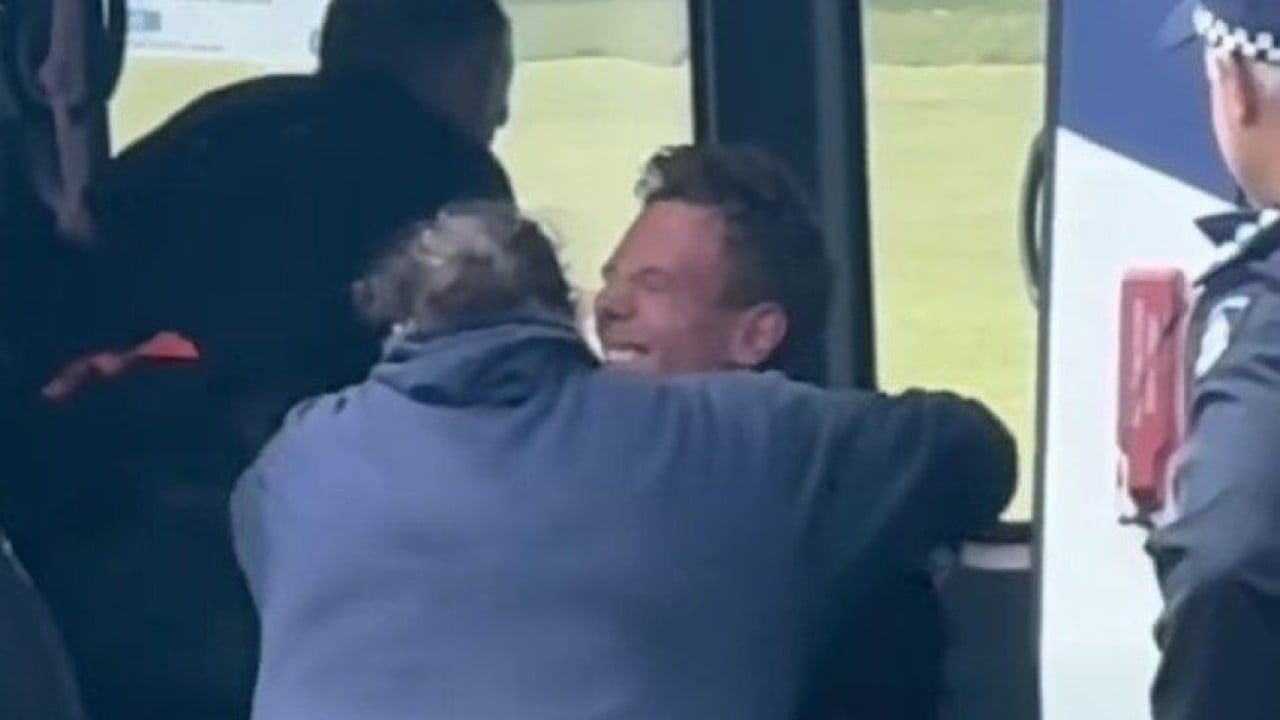
William was found lying in a dry creek bed, mostly in good health and high spirits despite a few minor scratches. His mother, Elizabeth Barkley, was over the moon. She joked that her son was facing a "lifetime grounding" after putting the family through a week of sheer agony, but the underlying relief was palpable.
Lessons From the Walhalla Search
If you are ever planning a trip into remote wilderness areas, or if you are caring for someone vulnerable to wandering, the takeaways from this near-tragedy are stark.
- Never underestimate local terrain: Dense scrub looks uniform, making it brutally easy to lose your sense of direction within minutes.
- Technology stays with you: Leaving phones behind cuts off vital tracking capabilities. Always keep communication tools secure.
- Community collaboration wins: The breakthrough in William's case came because local hunters and campers shared trail camera footage, narrowing down the search grid.
Stories like this don't always end with a helicopter rescue and a tearful reunion at a command post. This time, preparation from emergency services and sheer resilience saved a life.
Check your gear, keep track of your companions, and never assume the bush is forgiving.