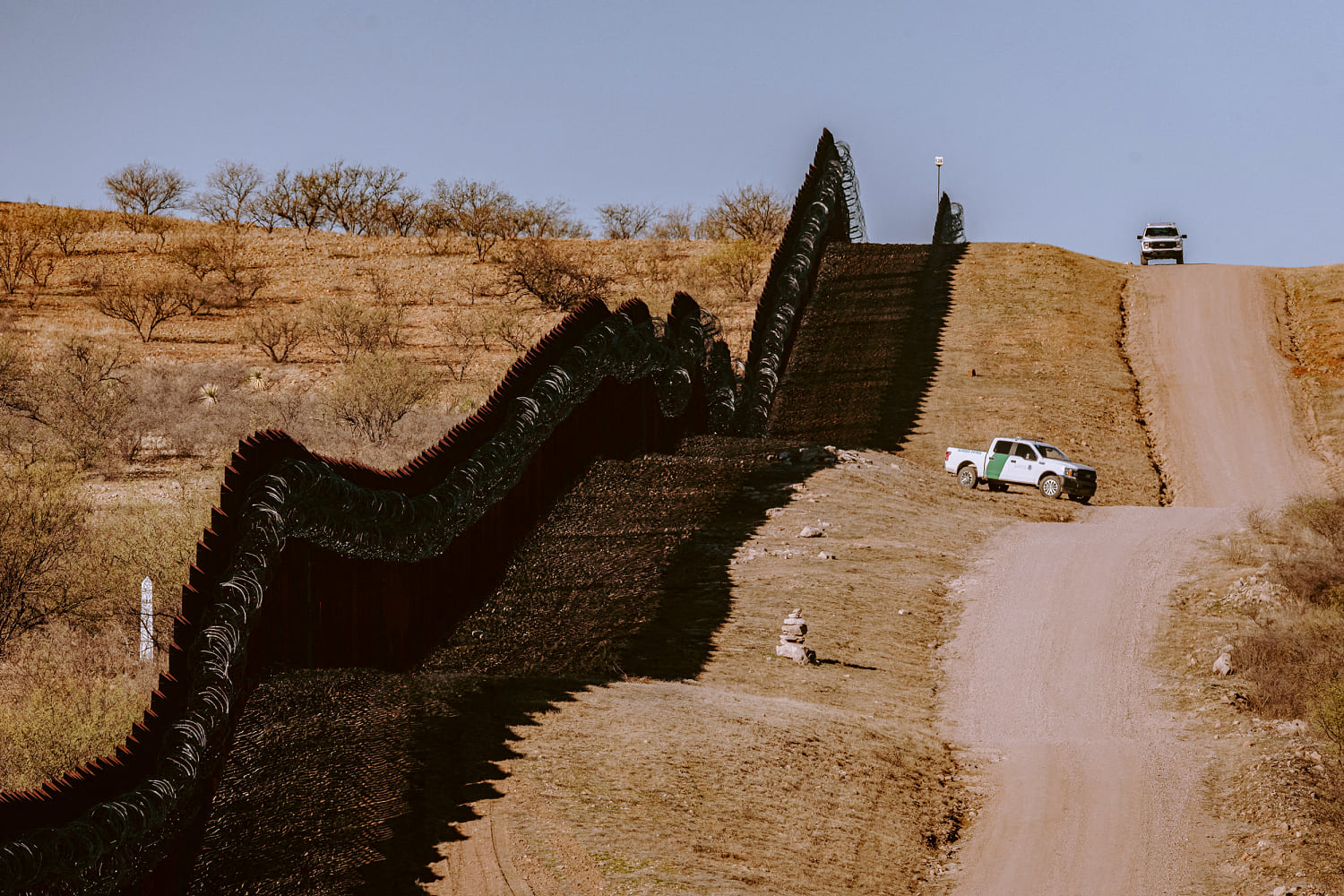
The legal showdown over executive authority at the southern border is heading straight to the highest court in the land. When the Supreme Court agreed to take up the administration's appeal regarding sweeping border asylum restrictions, it set the stage for a massive constitutional clash.
If you're trying to figure out what this means past the political shouting, you need to look at the core mechanics of executive power, statutory limits, and what lower courts have already dismantled. Let's break down why this specific case matters, what's at stake, and why the outcome will reshape immigration policy for years.
The Legal Core of the Asylum Battle
At the heart of the dispute is a fundamental question: Can a president unilaterally shut down asylum applications through executive proclamation when federal law explicitly grants individuals the right to apply for asylum upon arrival, regardless of how they entered?
The administration argues that broad executive authority under immigration statutes gives the White House sweeping discretion to suspend entry and shut off asylum processing to manage border emergencies. On the other side, immigration advocates and legal experts point out that federal law requires individual evaluations for asylum claims. They argue that executive proclamations cannot rewrite statutes passed by Congress.
Lower courts didn't buy the administration's broad interpretation. U.S. District Judge Randolph Moss previously ruled that neither the Constitution nor federal immigration law grants the executive branch the authority to bypass procedures enacted by Congress. A divided panel of the D.C. Circuit Court of Appeals later agreed, upholding the block and finding that the restrictions exceeded statutory boundaries.
Yet, because stays were put in place during the appeals process, the restrictions have largely remained active on the ground while the litigation churns forward. That temporary reality is precisely why the Supreme Court's upcoming decision carries so much weight.
Universal Injunctions and Nationwide Relief
Beyond the immediate fate of border policies, this case forces the justices to confront a procedural weapon that has dominated modern federal litigation: the nationwide or universal injunction.
When lower courts blocked the asylum ban, they issued orders that protected entire classes of migrants, stopping enforcement across the board. Critics of these broad injunctions argue they allow a single district judge in Washington or Texas to dictate national policy, creating forum shopping and judicial overreach. Supporters counter that without class-wide relief, systemic federal violations would be nearly impossible to check in real time.
The justices will have to decide not just whether the ban itself is legal, but whether federal judges possess the authority to grant relief that covers entire classes of affected individuals. How the court rules on this procedural question will permanently change how future administrations—Republican or Democratic—are sued over executive actions.
What to Expect Next
Oral arguments are scheduled for the spring, with a final ruling expected by the end of June.
If the Supreme Court sides with the administration, it will cement a massive expansion of executive power over the nation's borders, signaling that presidents can leverage emergency rationales to bypass statutory asylum frameworks. If the Court upholds the lower court rulings, it will deal a severe blow to unilateral executive policymaking, forcing any future border restrictions back through the messy, grinding gears of the legislative process.
Keep your eyes on the scope of the ruling rather than the political talking points. The Justices aren't just deciding who gets to cross a line; they're defining the boundaries of American governance.